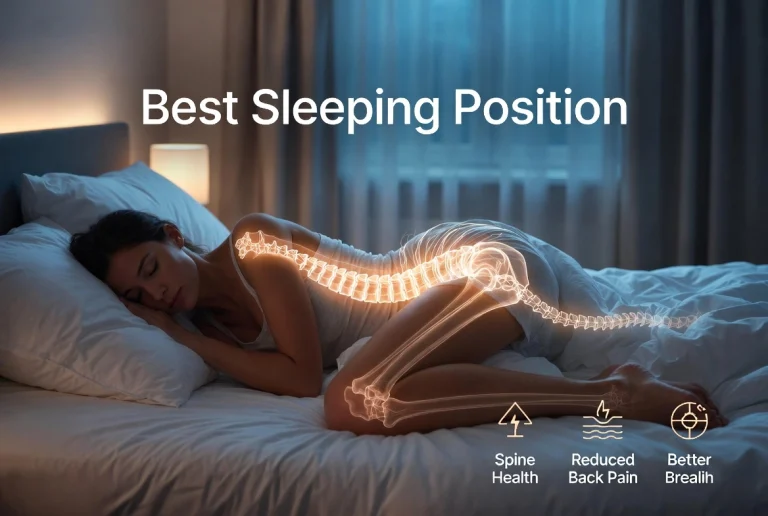
Why Do I Feel More Tired After a Nap?
You napped to feel better — now you feel worse. The usual reason is sleep inertia, a measurable post-wake brain state that happens most often when a nap runs long enough to cross into deeper sleep. Updated 2026 guidance still points to the same simple fix: keep naps short, or go long enough to finish a full cycle.
Feeling more tired after a nap usually means you woke during sleep inertia, especially after a nap around 25 to 60 minutes. Short naps under about 20 minutes are less likely to cause grogginess, while a longer nap around 90 minutes can work if you complete a full cycle instead of waking in the middle of deeper sleep.
You close your laptop in Dallas, Atlanta, or Los Angeles, sneak in an afternoon nap between meetings, and wake up feeling heavier than before. That doesn’t mean naps “don’t work.” It usually means the nap crossed the line from a light power nap into deeper sleep, and your brain had not fully switched back into alert mode when you woke up.

What Is Sleep Inertia?
Sleep inertia is the groggy, slow-thinking, heavy-headed period that happens right after waking. Researchers describe it as a transition state between sleep and full wakefulness, not just a vague feeling of laziness. That’s why you can be technically awake, but still feel mentally offline for several minutes afterward.
“The transition from sleep to wake is not instantaneous.”
Consistent with major sleep inertia reviews in PMC literatureIn practical terms, this is why a nap can feel amazing on paper and terrible in real life. If you wake while your brain is still carrying some of its sleep-state activity forward, your reaction time, focus, and mood can all dip before they rebound.
Erica, 31, Phoenix, AZ: She started taking “quick” post-lunch naps while working remote. Her 20-minute alarm often turned into 42 minutes. She’d wake up foggier, skip the gym, and assume she needed more rest. The real issue wasn’t lack of discipline. She was waking too deep into the nap.

The Brain Science: Delta Waves & Adenosine

Nap Duration: The 30-Minute Danger Zone
If you only remember one thing from this article, make it this: the worst naps are often the “medium” ones. A short nap under about 20 minutes usually stays light enough to avoid heavy inertia. A longer nap around 90 minutes can work because you’re more likely to complete a full cycle. The messy middle is where many people wake up feeling awful.
| Nap length | Typical stage | Grogginess risk | Best for |
|---|---|---|---|
| 10–20 min | Light sleep | Low | Work breaks, school pickup reset, early afternoon boost |
| 25–30 min | Borderline deeper sleep | Moderate | Often backfires if you need to be sharp right away |
| 30–60 min | Deeper sleep likely | High | Recovery only, not ideal before meetings or driving |
| ~90 min | Full cycle target | Lower | Recovery naps, students, shift workers with enough time |
| After 4 PM | Varies | Night-sleep risk | Usually not worth it for daytime workers |
Marcus, 38, Charlotte, NC: He used to nap for “half an hour” in his truck before the second half of his shift. In reality it was closer to 35–45 minutes. He felt dull for the first hour back on the job. Cutting the nap to 17 minutes worked better than “resting longer.”

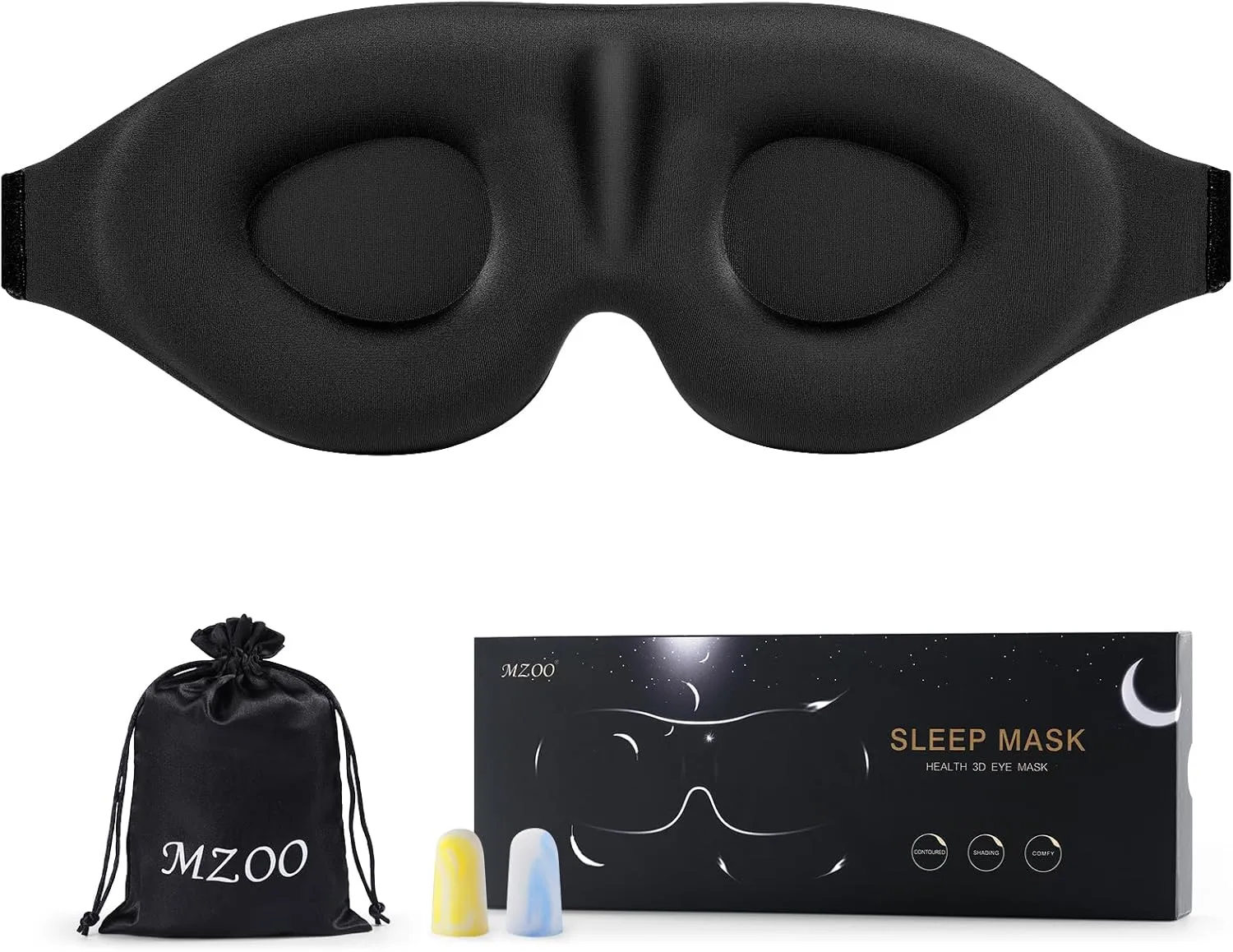
Best Nap Timer & Wake-Up Support Products
These products fit the article naturally: shorter, better-timed naps and faster wake-ups. As an Amazon Associate, SmartSleepCalc earns from qualifying purchases at no extra cost to you.


Other Reasons Naps Backfire
Nap length is the biggest variable, but it’s not the only one. If even “good” naps keep leaving you wiped out, one of these factors may be amplifying the problem.
2. You nap too late in the day and disrupt nighttime sleep pressure.
3. Your room is too dark, too cool, and too bed-like for a short nap.
4. Your caffeine timing is off, so you wake during a crash instead of a boost.
5. Poor nighttime sleep, snoring, or possible sleep apnea is making every daytime nap feel like a bandage instead of a solution.

5 Science-Backed Fixes for Post-Nap Grogginess
These are practical fixes tied directly to how sleep inertia works. Use them in this order: first control nap length, then improve wake-up conditions, then fix the bigger sleep pattern underneath.
Jordan, 26, Chicago, IL: He was taking 50-minute “recovery naps” after commuting home from a hybrid job. Once he switched to a coffee nap on the couch at 1:30 PM Saturday and Sunday, he stopped feeling wrecked for the rest of the afternoon. The difference was duration and wake strategy, not motivation.
Frequently Asked Questions
Because an hour-long nap often wakes you out of deeper sleep instead of lighter sleep. That’s one of the most common setups for sleep inertia.
Usually 10 to 20 minutes. That range is the most practical for people who need to work, drive, study, or function right after waking.
They can. The idea is to drink caffeine right before a short nap so the caffeine starts kicking in around the time you wake up.
Yes, especially if the nap is too long or too late in the day. For many daytime workers, late naps reduce nighttime sleep pressure.
Brief grogginess can be normal. But if every nap leaves you awful and you also wake tired after a full night of sleep, it may be worth looking at your overall sleep quality or screening for excessive daytime sleepiness.
Related SmartSleepCalc Tools
- PubMed: The effects of sleep inertia following EEG-monitored short and long naps (2025)
- PMC: Sleep inertia — current insights
- Sleep Foundation: power nap timing and length
- CDC/NIOSH: nap duration and sleep inertia guidance
- Sleep Journal: caffeine eliminates psychomotor vigilance deficits from sleep inertia
- PubMed: caffeine-nap pilot study