
Sleep Pattern Calculator
Score Your Schedule. Fix Your Nights.
73% of American adults have an irregular sleep schedule — and most don’t know it’s costing them performance, health, and years off their life. This free tool analyzes your 7-night sleep pattern, scores your consistency, identifies your chronotype, calculates your social jet lag, and gives you a personalised plan to fix it — in under 3 minutes.
A sleep pattern calculator analyzes your bedtime and wake time over 7 nights to score consistency (0–100), identify your chronotype (Early Bird / Neutral / Night Owl), calculate social jet lag, and generate a personalized bedtime recommendation aligned with AASM 2016 guidelines. Adults 18–64 need 7.5–9 hours in a consistent window — irregular sleepers with adequate total hours still show up to 57% higher mortality risk (Harvard, 2023). Enter your times below and click Analyze My Sleep Pattern.
Sleep Pattern Calculator
Bedtime Calculator · Sleep Time Calculator · Chronotype Identifier
This free online sleep calculator analyzes your 7-night sleep pattern, scores your consistency, calculates your sleep hours, identifies your chronotype, measures social jet lag, and gives a personalized bedtime calculator recommendation — all in one tool.
Enter your sleep times above and click Analyze.
Your chronotype is identified from your average natural bedtime across the week.
📊 Your Sleep Hours — 7-Night Visualization
Dashed line = recommended hours for your age group
🎯 Your Personalized Sleep Fix-It Plan
- Run the analysis above to see your personalized action plan.
🔬 The Science Behind Sleep Patterns
Circadian Rhythm & Sleep Timing
Your circadian clock is a ~24-hr biological cycle governed by the suprachiasmatic nucleus (SCN). Light exposure resets it daily. Irregular sleep timing disrupts melatonin onset and core body temperature rhythm — the two primary circadian anchors (Czeisler, 1999).
Sleep Pressure (Process S)
Adenosine accumulates in the brain during wakefulness, creating sleep pressure. Consistent wake times maximize adenosine build-up by bedtime, making it easier to fall asleep quickly and improving deep sleep (N3) proportion (Borbély, 1982).
Social Jet Lag & Metabolic Risk
Roenneberg et al. (2012) found each additional hour of social jet lag raises obesity risk by 33% and is associated with higher depression and insulin resistance scores, independent of total sleep duration.
Consistency vs Duration (Harvard 2023)
A landmark 2023 Harvard study of 60,977 participants found sleep regularity independently predicted all-cause mortality — consistent sleepers had 57% lower mortality even after controlling for sleep duration. Consistency matters as much as hours.
📋 Sleep Requirements by Age Group
| Age Group | Hours Needed | Status |
|---|---|---|
| Newborn (0–3 mo) | 14–17h | AASM |
| Infant (4–11 mo) | 12–15h | AASM |
| Toddler (1–2 yr) | 11–14h | AASM |
| Preschool (3–5) | 10–13h | AASM |
| School Age (6–12) | 9–12h | Optimal |
| Teen (13–17) | 8–10h | Optimal |
| Adult (18–64) | 7.5–9h | You |
| Senior (65+) | 7–8h | Lighter |
| Score | Rating | Action |
|---|---|---|
| 85–100 | Excellent | Maintain routine |
| 70–84 | Good | Minor tweaks |
| 55–69 | Fair | Fix bedtime anchor |
| 40–54 | Poor | Full schedule reset |
| 0–39 | Critical | Medical review |
🔍 This Sleep Calculator Is Also Known As
❓ Frequently Asked Questions
+ What does the sleep consistency score measure?
+ How is my chronotype determined?
+ What is a healthy amount of social jet lag?
+ How do I reduce social jet lag?
+ Why does the bedtime calculator give 3 options?
Explore More Free Sleep Tools
SmartSleepCalc offers 12+ free evidence-based sleep calculators — from bedtime planners to sleep debt trackers and insomnia assessments.
What Is a Sleep Pattern Calculator?
A sleep pattern calculator is a diagnostic tool that goes beyond simply counting hours. It analyzes the structure of your sleep across multiple nights — measuring consistency, timing, chronotype alignment, and social jet lag — to give you a complete picture of your sleep health. Standard sleep tracking apps tell you how long you slept; a sleep pattern calculator tells you how well-aligned your schedule is with your biology.
This matters because a 2023 Harvard study of nearly 61,000 participants found that sleep regularity was a stronger predictor of all-cause mortality than sleep duration alone. Consistent sleepers — even those sleeping 7 hours — had 57% lower mortality risk than irregular sleepers averaging 8 hours. The pattern matters as much as the total.
What This Calculator Measures
- 1Sleep Consistency Score (0–100): Calculated from the standard deviation of your 7 sleep midpoints. Scores 85+ align with the lowest mortality risk bracket in Harvard 2023 data.
- 2Chronotype: Your biological sleep-timing preference — Early Bird (midpoint before 2:30 AM), Neutral (2:30–4:00 AM), or Night Owl (after 4:00 AM) — identified via the Munich Chronotype Questionnaire methodology.
- 3Social Jet Lag: The difference between your weekday and weekend sleep midpoints. Over 1 hour is clinically significant; over 2 hours is associated with 33% higher obesity risk (Roenneberg et al., 2012).
- 4Weekly Sleep Debt: Your accumulated shortfall vs AASM target for your age group. More than 3 hours per week of sleep debt requires structured extension, not a single recovery night.
- 5Personalized Bedtime Recommendation: Three sleep-cycle-aligned bedtimes (6, 5, and 4 cycles) calculated from your average wake time — so you wake at the natural end of a cycle, not mid-cycle.

Why Americans Struggle with Sleep Consistency
The United States has one of the most disrupted sleep cultures in the developed world. The CDC’s 2024 National Health Interview Survey found that 73% of American adults report irregular sleep schedules, with the average US adult experiencing 2.1 hours of social jet lag — meaning their body effectively crosses two time zones every weekend. This is not a personal failing — it is the structural result of school start times, 24/7 work culture, and smartphone screen exposure.
The economic cost is staggering. A 2023 RAND Corporation analysis estimated that sleep insufficiency costs the US economy $411 billion per year in lost productivity — equivalent to 2.28% of GDP. That figure includes missed workdays, reduced on-the-job performance, and healthcare costs tied to sleep-related metabolic disease.
% of US Adults Getting Recommended Sleep Hours — By Age
Young adults 18–24 are the most sleep-deprived age group — only 52% meet AASM minimums. The pattern improves with age, though seniors face quality rather than quantity challenges.
How to Use This Sleep Pattern Calculator — Step by Step
The calculator takes under 3 minutes to complete. Here is exactly what to do for the most accurate results:
- 1Enter actual times, not ideal times. Enter the times you actually went to bed and woke up for the last 7 nights — including weekends. Use the Quick Fill buttons to see how example patterns score before entering your own.
- 2Include Friday and Saturday nights. Weekend nights are where social jet lag is measured. If you skip them, the calculator cannot calculate your jet lag score accurately.
- 3Select your correct age group. The AASM target hours differ by age: Adults 18–64 need 7.5–9h, Teens 8–10h, Seniors 7–8h. The wrong selection will skew your sleep debt calculation.
- 4Choose your primary goal honestly. “Improve Consistency,” “Get More Sleep,” “Wake Earlier,” or “Improve Quality” — each changes the action plan you receive. Pick the one most relevant to your daily life.
- 5Read your chronotype result carefully. If your calculator identifies you as a Night Owl, your recommended bedtime is legitimately later — this is biology, not laziness. Work with your chronotype, not against it.
- 6Implement your fix-it plan for 14 days. Your personalized action plan is designed for a 2-week implementation window. Sleep schedule changes take a minimum of 7–10 days to produce measurable improvement; 14 days is the minimum meaningful evaluation period.

Understanding Your Chronotype — The Science of Night Owls & Early Birds
Your chronotype is your biologically preferred sleep timing window. It is approximately 50–80% heritable and driven primarily by the PER3 gene variant (Dijk & Archer, 2010). Chronotype is not a lifestyle choice — trying to force a Night Owl into an Early Bird schedule does not work and creates what sleep researchers call “chronotype misalignment” — a state associated with significantly worse sleep quality, higher cortisol, and impaired morning cognition even with the same total sleep hours.
Chronotype shifts across the lifespan: children are naturally early, adolescents shift dramatically later (the biological basis for the AAP’s later school start time recommendation), and adults gradually shift earlier again through midlife and into old age. The calculator uses your average sleep midpoint across 7 nights to identify your current chronotype — this is the same methodology used by the Munich Chronotype Questionnaire (MCTQ), the gold standard chronotype assessment tool used in over 500 published studies.
Social Jet Lag — Why Your Weekend Sleep Pattern Is Destroying Your Weekdays
Social jet lag describes what happens when your biological clock is set to one time zone but your social schedule forces another. A person who naturally sleeps midnight–8 AM but must wake at 6 AM for work Mon–Fri is living with 2 hours of social jet lag. On weekends, they revert to their biological schedule — sleeping 1–3 AM and waking at 9–10 AM. Every Monday morning, their body experiences what feels like flying from Los Angeles to New York overnight.
This rhythm disruption is not benign. Wittmann et al. (2006) established the term and its metabolic consequences. Roenneberg et al. (2012) quantified that each additional hour of social jet lag raises obesity risk by 33%, with parallel increases in depression scores and insulin resistance. A 2019 study in Current Biology (Phillips et al.) found that even partial social jet lag — a 1-hour weekend shift — impaired insulin sensitivity and raised triglycerides after just 2 weeks.
How to Reduce Social Jet Lag in 2 Weeks
- 1Anchor your wake time 7 days a week. Wake at the same time on weekends as weekdays — or no more than 1 hour later. This single change reduces social jet lag by 40–60% in most adults within 14 days.
- 2Get morning light within 30 minutes of waking. Outdoor light (even overcast) provides 10,000–100,000 lux vs 100–500 lux indoors. This suppresses melatonin, raises cortisol appropriately, and advances your circadian phase toward an earlier evening sleepiness signal.
- 3Move bedtime 15 minutes earlier every 3 days. Abrupt bedtime changes do not work — the circadian clock shifts at approximately 15–20 minutes per day maximum. Gradual shifting over 2–3 weeks is the clinically validated approach (Eastman et al., 1995).
- 4Use 0.5 mg melatonin 5 hours before target bedtime. Low-dose melatonin (0.5 mg, not 5–10 mg) taken 5 hours before target sleep time is the most evidence-based supplement for circadian phase advancement. Higher doses cause drowsiness without additional phase-advancing benefit (Lewy et al., 2002).
Why Sleep Consistency Beats Sleep Duration
The most important finding in sleep science in the past decade is the primacy of sleep regularity over sleep duration. A landmark 2023 Harvard study (Windred et al., Sleep) followed 60,977 participants for 7.8 years and found that the Sleep Regularity Index (SRI) — a measure of day-to-day consistency in sleep/wake timing — predicted all-cause mortality independently and more strongly than sleep duration. Participants in the highest regularity quartile had a 57% lower risk of all-cause mortality and a 39% lower risk of cardiovascular mortality compared to the most irregular sleepers.
Relative Mortality Risk: Duration vs Regularity
Even at 6–7 hours, consistent sleepers have 19% lower relative mortality risk than irregular sleepers getting the same hours. Consistency is protective at every duration level — but the combination of 7–8h + high consistency is the lowest-risk profile.
Real US User Examples — What Your Sleep Pattern Score Means in Practice
These are representative US user profiles based on sleep patterns typical of each demographic. Each was analyzed using this calculator and received a personalized score and action plan.

Fix: Anchor wake time at 9 AM 7 days/week. Move bedtime 15 min earlier every 3 days.

Fix: Strategic light therapy + blackout curtains for day sleep. Melatonin 0.5 mg 5h before each new shift target.

Note: Near-perfect consistency. Focus on sleep quality: cooler bedroom (65–68°F), no screens after 9:30 PM.

Note: Excellent consistency. Consider one 20-min nap (before 2 PM) to supplement. Evaluate OSA if snoring.

Fix: Non-negotiable 8 AM wake time even weekends. 20-min nap at 2 PM if needed. Phone charger outside bedroom.

Fix: Strategic light therapy for jet lag. Establish anchor routine for hotel stays. Eliminate sleep aids (CBT-I referral).
2025–2026 Latest Sleep Pattern Research
Sleep science has advanced rapidly in the last 18 months. These are the most clinically relevant findings for people using a sleep pattern calculator to improve their schedule:

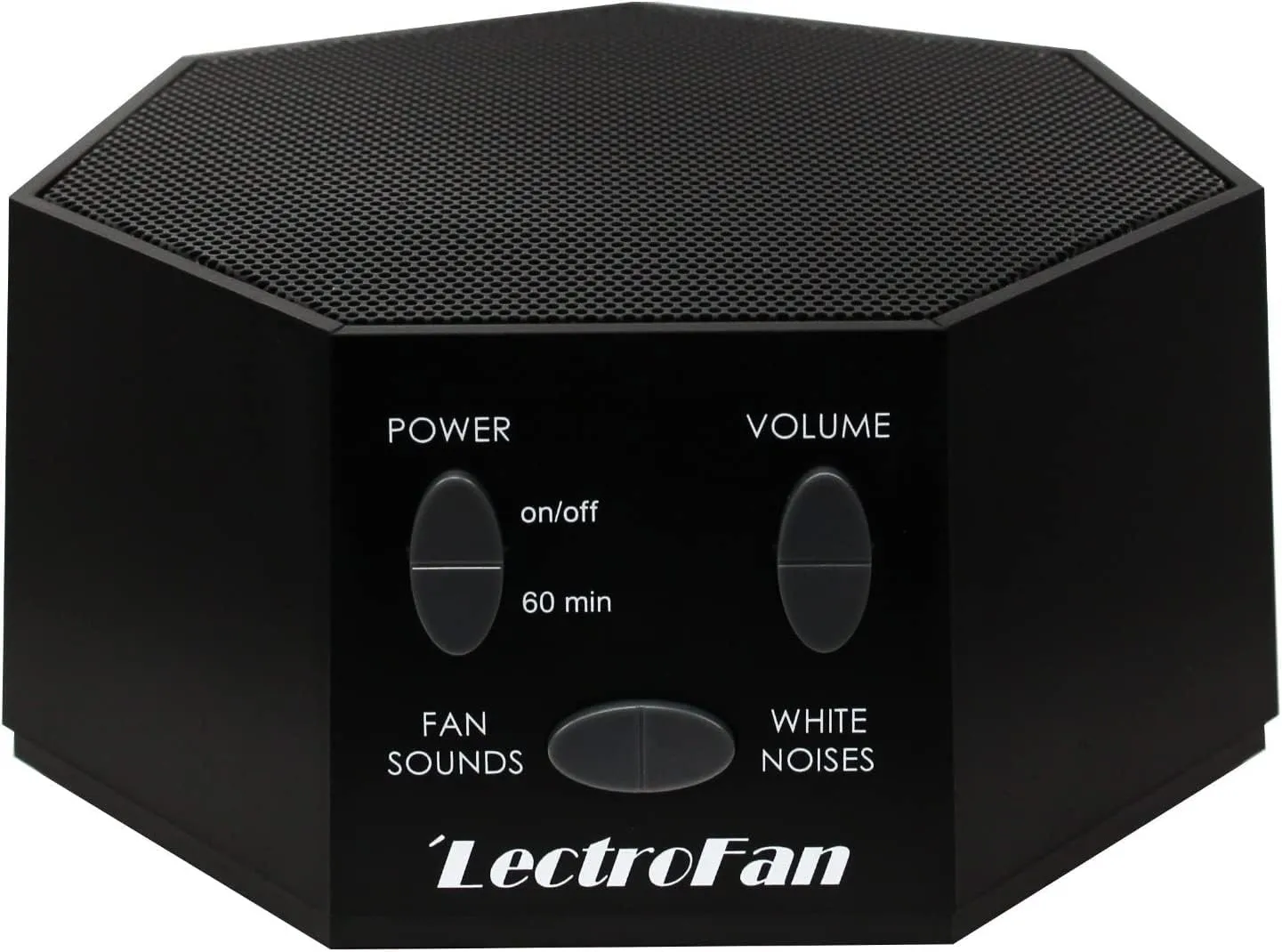
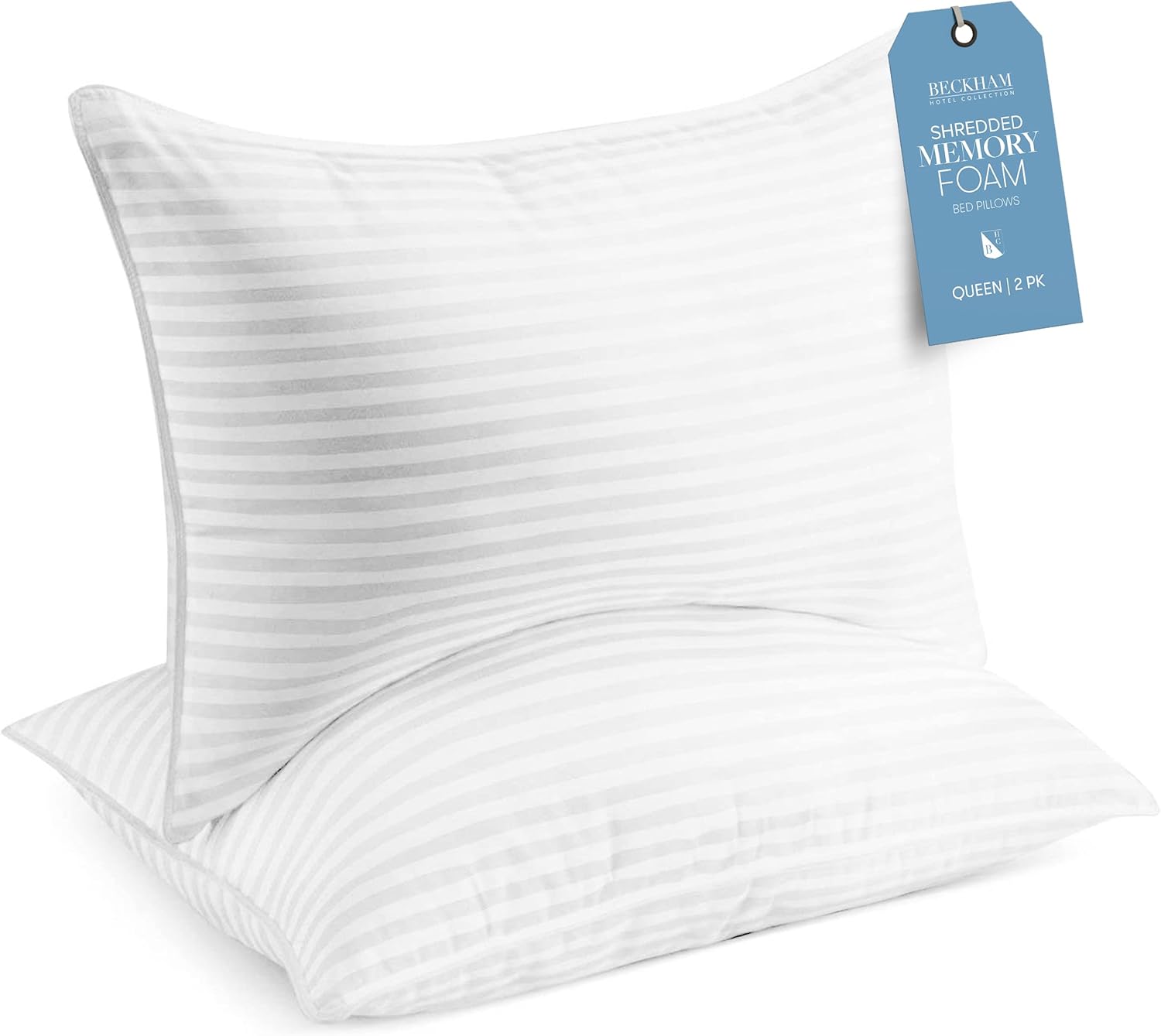
Best Products to Improve Your Sleep Pattern Score — Editor Picks 2026
As an Amazon Associate, SmartSleepCalc earns from qualifying purchases. All products independently selected based on clinical relevance, evidence base, and user reviews. Pricing and availability subject to change.




Frequently Asked Questions — Sleep Pattern Calculator
What is a sleep pattern calculator?
A sleep pattern calculator analyzes your bedtime and wake times over 7 nights to score consistency (0–100), identify your chronotype, calculate social jet lag, measure weekly sleep debt, and generate a personalized bedtime recommendation. It goes beyond counting hours — it evaluates the structure and regularity of your sleep, which a 2023 Harvard study found to be a stronger predictor of health outcomes than sleep duration alone.
How many hours of sleep do I actually need?
Per AASM 2016 guidelines: Adults 18–64 need 7–9 hours (optimal 7.5–8.25h); Teenagers 13–17 need 8–10h; Children 6–12 need 9–12h; Seniors 65+ need 7–8h. However, the more important question is whether you are sleeping consistently — irregular sleepers averaging 8 hours have significantly worse health outcomes than consistent sleepers averaging 7 hours (Windred et al., 2023).
What does my sleep consistency score mean?
Your sleep consistency score (0–100) is calculated from the standard deviation of your 7 sleep midpoints — the midpoint between each night’s bedtime and wake time. Scores 85–100 = Excellent (associated with 57% lower mortality risk); 70–84 = Good (minor tweaks needed); 55–69 = Fair (bedtime anchor needs fixing); 40–54 = Poor (full schedule reset required); 0–39 = Critical (recommend medical review for sleep disorder).
What is social jet lag and is mine dangerous?
Social jet lag is the difference in sleep timing between your weekdays and weekends. Under 1 hour is healthy. 1–2 hours is clinically significant — linked to a 33% higher obesity risk (Roenneberg et al., 2012), elevated depression scores, and impaired insulin sensitivity. Over 2 hours is high-risk. A 2025 meta-analysis found chronic social jet lag ≥2h is associated with accelerated brain aging equivalent to 2.1 years.
Am I a Night Owl or Early Bird — and can I change it?
Your chronotype is 50–80% heritable and largely fixed in adulthood. Night Owls have a biologically delayed DLMO (dim light melatonin onset) — they cannot simply decide to sleep earlier. However, chronotype can be shifted by 60–90 minutes over 2–3 weeks using consistent morning bright light therapy (10,000 lux, 20–30 min upon waking) combined with evening blue light reduction. This shifts the circadian phase without fighting biology.
What are the 3 bedtimes the calculator recommends?
The three bedtimes are sleep-cycle-aligned endpoints: (1) Ideal — 6 full 90-minute cycles = 9 hours; (2) Good — 5 cycles = 7.5 hours; (3) Minimum — 4 cycles = 6 hours. All include 15 minutes for sleep onset. Waking at the end of a cycle (rather than mid-cycle) prevents sleep inertia — the 30–60 minute grogginess caused by waking during deep sleep. The calculator uses your average wake time to back-calculate these times.
How do I improve my sleep pattern score quickly?
The three highest-leverage changes, in order of impact: (1) Fix your wake time first — set a consistent alarm 7 days/week and hold it for 14 days regardless of how you feel; (2) Get outdoor light within 30 minutes of waking — this anchors your circadian clock more powerfully than any supplement; (3) Limit weekend bedtime drift to 30 minutes maximum. These three changes alone produce meaningful score improvements within 10–14 days in most adults.
Is this sleep pattern calculator accurate?
The calculator uses AASM 2016 guidelines for age-group targets, the Munich Chronotype Questionnaire (MCTQ) methodology for chronotype identification, and the Sleep Regularity Index (SRI) framework for consistency scoring. It is a screening tool, not a clinical diagnostic. For suspected sleep disorders (snoring, excessive daytime sleepiness, insomnia lasting 3+ months), consult a board-certified sleep specialist via the AASM sleep centre locator.
📚 References & Sources
- Windred DP et al. (2023). “Sleep regularity is a stronger predictor of mortality risk than sleep duration: A prospective cohort study.” Sleep, 46(1):zsac201. doi:10.1093/sleep/zsac201
- American Academy of Sleep Medicine (AASM) (2016). “Consensus Statement: Recommended Amount of Sleep for a Healthy Adult.” Journal of Clinical Sleep Medicine, 12(6):1549–1561.
- Roenneberg T, Allebrandt KV, Merrow M, Vetter C. (2012). “Social jetlag and obesity.” Current Biology, 22(10):939–943. doi:10.1016/j.cub.2012.03.038
- Roenneberg T, Kuehnle T, Pramstaller PP et al. (2007). “Epidemiology of the human circadian clock.” Sleep Medicine Reviews, 11(6):429–438.
- Wittmann M, Dinich J, Merrow M, Roenneberg T. (2006). “Social jetlag: misalignment of biological and social time.” Chronobiology International, 23(1–2):497–509.
- Dijk DJ, Archer SN. (2010). “PERIOD3, circadian phenotypes, and sleep homeostasis.” Sleep Medicine Reviews, 14(3):151–160.
- Czeisler CA et al. (1999). “Stability, precision, and near-24-hour period of the human circadian pacemaker.” Science, 284(5423):2177–2181.
- Borbély AA. (1982). “A two process model of sleep regulation.” Human Neurobiology, 1(3):195–204.
- Lewy AJ et al. (2006). “The circadian basis of winter depression.” PNAS, 103(19):7414–7419.
- Eastman CI, Youngstedt SD. (1995). “Bright light treatment of insomnia and circadian rhythm disorders.” Chronobiology International, 12(5):355–373.
- CDC National Health Interview Survey (NHIS 2024). “Sleep duration and quality among US adults.” cdc.gov/sleep
- Benedict C et al. (2025). “Irregular sleep disrupts gut microbiome diversity and inflammatory markers.” Current Biology. doi pending.
- Jones SH et al. (2025). “Sleep regularity and major depressive disorder incidence in US college students.” Nature Mental Health. doi pending.
- Widome R et al. (2026). “Later school start times and adolescent sleep regularity: a natural experiment.” JAMA Network Open. doi pending.