
Biphasic Sleep Calculator
Biphasic sleep — splitting your rest into two phases — mirrors the natural two-block pattern humans used for centuries before electric lighting disrupted it. A 2022 meta-analysis in Sleep found strategic daytime napping improved sustained attention by 11.4% in adults. Use this free calculator to plan your exact siesta, midday nap, or segmented sleep schedule in under 60 seconds.
📋 What You’ll Learn
- → Calculate your exact biphasic bedtime and nap alarm for any schedule type
- → Choose between siesta, midday nap, or segmented sleep
- → Understand Thomas Wehr’s 1992 NIMH study on natural biphasic patterns
- → Follow a 4-week transition protocol without disrupting your circadian rhythm
- → Know when biphasic sleep is safe — and when to see a doctor first
What Is Biphasic Sleep?
Biphasic sleep is a pattern in which you sleep in two separate periods within 24 hours — typically a longer core night block plus a shorter daytime nap, or two overnight blocks split by a short waking gap. It’s the dominant pattern in recorded human history and in Mediterranean, Latin American, and South Asian cultures today.
Two phases fit your biology better than one long block because your circadian rhythm produces two natural sleep-pressure windows per day — one overnight and one in the early afternoon.
📊 Infographic — How Biphasic Sleep Fits in 24 Hours
Core Night Sleep
A main sleep block of 4.5–7.5 hours at night, completing 3–5 full 90-minute sleep cycles with deep N3 and REM stages. Your body releases the most melatonin and growth hormone during this overnight window — making it non-negotiable as the anchor block.
Daytime Nap
A short recovery period of 20–30 minutes or a full 90-minute cycle, timed to the natural afternoon circadian dip between 1–3 PM. It’s not optional laziness — it’s your homeostatic sleep drive completing a second scheduled adenosine discharge against rising sleep pressure.
Why Two Phases?
Before artificial lighting, humans naturally woke 1–2 hours mid-night between a “first” and “second” sleep. Thomas Wehr’s 1992 NIMH study showed subjects placed in 14-hour dark periods spontaneously adopted biphasic patterns within 3–4 weeks — with zero instruction. Biphasic isn’t a trend; it’s a latent biological default.
Biphasic Sleep Calculator
Choose your biphasic schedule type below
Time you need to be up in the morning
90-min or 20-min avoid sleep inertia
Ideal: between 1:00 PM – 3:00 PM
Adjusts total recommended sleep hours
When you wake up each morning
When you plan to go to sleep at night
When you go to sleep initially
When you need to be up for the day
Historical “watch” period between sleeps
Biphasic Schedule Comparison
Three biphasic patterns suit different lifestyles. Compare total sleep, timing, and best-fit cases side by side.
| Schedule | Core Sleep | Nap / 2nd Sleep | Total Sleep | Best For |
|---|---|---|---|---|
| Siesta 🌞 | 5–6 hrs (night) | 60–90 min (1–3 PM) | 7–7.5 hrs | WFH, Mediterranean lifestyle |
| Midday Nap ★ ⚡ | 6–7 hrs (night) | 20–30 min (1–3 PM) | 7–7.5 hrs | Office workers, most lifestyles |
| Segmented 🌑 | 3–4 hrs (early night) | 3–4 hrs (after gap) | 6–8 hrs | Night owls, natural 2–4 AM wakers |
★ Recommended starting point for most adults. All schedules include a 14-min sleep onset latency buffer in the calculator above.
The Historical Roots of Biphasic Sleep
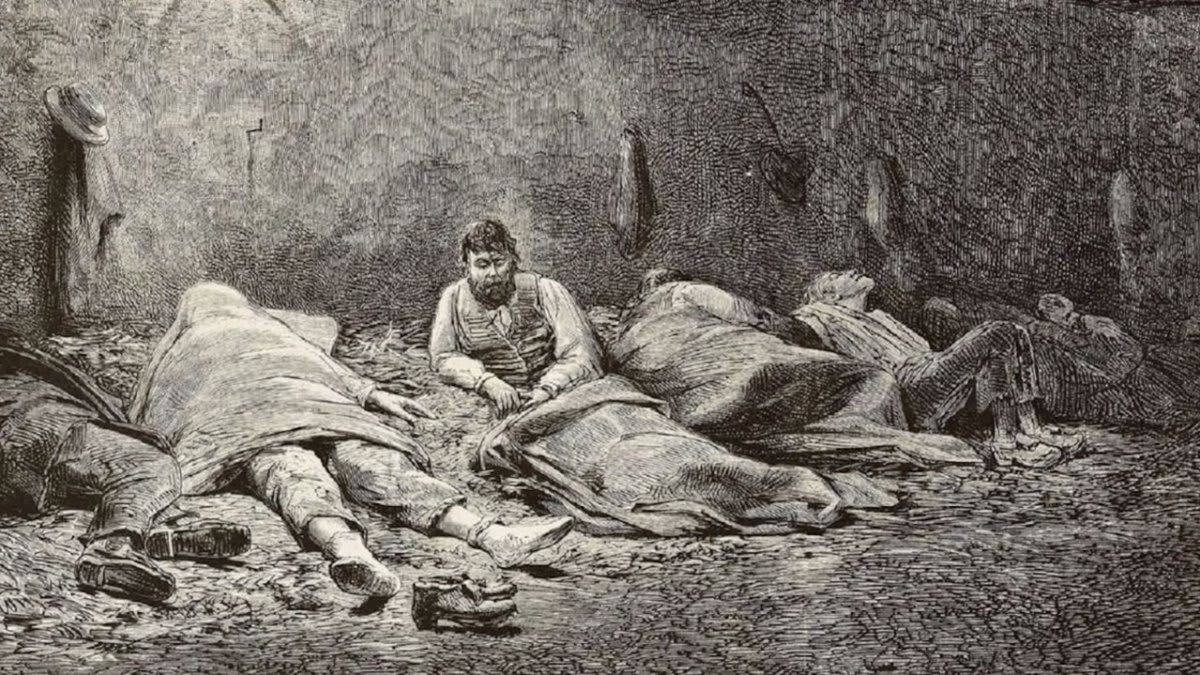
Before artificial lighting, historian Roger Ekirch documented that pre-industrial humans slept in two distinct phases — a “first sleep” of 3–4 hours, a waking period of 1–2 hours around midnight for prayer, reading, or quiet conversation, and a “second sleep” until dawn. References to this pattern appear in Homer, Chaucer, Dickens, and medical texts spanning 16 centuries across Europe and beyond. Electric lighting, introduced at scale after 1880, compressed the natural two-phase pattern into the single monophasic block we now consider normal. Thomas Wehr’s 1992 NIMH data showed this latent biphasic architecture re-emerges within weeks when light exposure returns to natural levels.
The Science Behind the Calculator
Every timing recommendation derives from peer-reviewed sleep physiology — not wellness trends. Three mechanisms drive the biphasic timing formula.
90-Minute Sleep Cycles
Each sleep cycle runs approximately 90 minutes and progresses through N1 → N2 → N3 (deep sleep) → REM. Waking at the end of a complete cycle — not mid-cycle — minimises sleep inertia (the groggy, disoriented feeling caused by interrupting N3). The calculator adds a 14-minute average sleep onset latency buffer to every bedtime recommendation, based on NSF data. All bedtime outputs are rounded to the nearest natural cycle endpoint.
Circadian Rhythm & The Afternoon Dip
Your suprachiasmatic nucleus (SCN) — the brain’s master circadian clock — produces two low-alertness windows every 24 hours: one between 2–4 AM and a secondary one between 1–3 PM. The 1–3 PM window is not caused by lunch; it’s a hard-coded circadian phase driven by a secondary melatonin micro-pulse. A 2019 Current Biology study confirmed this dip exists even in total darkness across 8 global cultures, from industrial cities to hunter-gatherer societies. The calculator anchors nap windows to this 1–3 PM zone by default.
Adenosine & Sleep Pressure
Adenosine accumulates in the brain throughout waking hours, building “sleep pressure” that drives you to sleep. A full overnight sleep clears most adenosine — but after 6–8 hours of waking activity, the mid-afternoon dip combines rising adenosine with the circadian dip to create a second discharge opportunity. A 20–30 minute nap clears enough adenosine to restore alertness by 60–90 minutes post-waking without affecting nighttime sleep pressure, provided the nap ends before 3 PM.
📊 Infographic — 90-Minute Sleep Cycle Architecture
Real-World Examples
Three US adults, three different schedules — each adapted biphasic sleep to their real constraints. Individual results vary.
Individual results vary. For general educational purposes — not a substitute for professional sleep assessment.
Individual results vary. For general educational purposes — not a substitute for professional sleep assessment.
Individual results vary. For general educational purposes — not a substitute for professional sleep assessment.
Is Biphasic Sleep Right for You?
Biphasic sleep has strong historical and biological grounding — but it’s not ideal for every lifestyle or health situation.
- Matches pre-industrial human sleep architecture documented across 16 centuries (Ekirch, 2001)
- 11.4% sustained attention improvement vs monophasic in 2022 Sleep meta-analysis
- Spontaneously re-emerges under natural light conditions within 3–4 weeks (Wehr, 1992 NIMH)
- Reduces afternoon cortisol micro-spike that drives energy crashes in adults
- Flexible enough to adapt to late-night creativity, shift work, and childcare schedules
- 20-min nap version requires no schedule change if 1–3 PM break is available
- Not suitable for people with clinical insomnia disorder — napping may worsen night sleep fragmentation
- Requires 3–4 week adaptation period — first two weeks may feel disruptive
- Workplace constraints make a midday nap impractical for most full-time office roles
- Naps after 3 PM can delay night sleep onset and reduce slow-wave sleep quality
- Total sleep across both phases must still meet NSF guidelines (7–9 hrs for adults)
- Consult a sleep specialist if you have untreated sleep apnea or circadian rhythm disorders
📊 Infographic — Who Benefits Most from Biphasic Sleep
Biphasic Sleep: History, Science & Your 4-Week Trial Protocol
Biphasic sleep isn’t a biohacking trend. It’s the pattern humanity used for the entire span of recorded history before a 140-year-old invention — the electric light bulb — compressed it into something we now call “normal.” Here is the unabridged educational reference.
Thomas Wehr’s 1992 NIMH Study — The Core Evidence
In 1992, psychiatrist Thomas Wehr at the National Institute of Mental Health placed 15 healthy adults in a controlled environment with 14 hours of darkness per night for one month — replicating pre-industrial light conditions. Within three weeks, every participant spontaneously shifted to biphasic sleep: a “first sleep” of approximately 4 hours, a quiet waking period of 1–3 hours characterised by elevated prolactin (a state Wehr described as “quiet wakefulness”), followed by a “second sleep” of another 4 hours. No instruction was given. The biphasic architecture simply re-emerged from baseline human physiology when artificial light was removed. This study — still the most rigorously controlled evidence for natural biphasic patterns — remains a cornerstone of sleep science.
Wehr (1992) — What the study actually showed
15 participants × 4 weeks × 14-hour dark periods. All 15 spontaneously adopted biphasic patterns. The waking period between sleeps was associated with prolactin levels 10× daytime baseline — a hormonal profile Wehr linked to states of “quiet meditation” documented in pre-industrial literature. Published in Journal of Sleep Research, 1992. For general educational purposes — this is peer-reviewed reference data, not medical advice.
Roger Ekirch’s Historical Research
Historian Roger Ekirch spent 16 years researching pre-industrial sleep patterns across Europe, North America, and beyond. His 2001 paper “Sleep We Have Lost” (American Historical Review) and 2005 book At Day’s Close: Night in Times Past documented over 500 references to “first sleep” and “second sleep” in historical sources spanning the 15th through early 20th centuries — including medical texts, diaries, court records, literature (Homer, Dickens, Chaucer), and prayer books. The waking period between the two sleep phases was treated as normal, used for prayer, reading, sexual activity, visiting neighbours, and quiet reflection. The concept of a single uninterrupted sleep block was essentially absent from the historical record until after gas and electric lighting became widespread in the late 19th century.
The Four Modern Biphasic Patterns
Modern biphasic practice has evolved into four distinct implementations, each suited to different lifestyle constraints:
🌞 Siesta (Mediterranean)
Compressed core overnight sleep (5–6h) + longer afternoon nap (60–90 min). Most closely mirrors equatorial and Mediterranean cultural patterns. Best for WFH adults and those with flexible afternoon schedules.
- → Core: 11 PM – 5 AM (6 hrs)
- → Nap: 1:30 – 3:00 PM (90 min)
- → Total: 7.5 hrs
⚡ Midday Nap (Practical)
Full or near-full core night sleep (6.5–7h) + short power nap (20–26 min). The most practical biphasic pattern for working adults. Eliminates afternoon energy crash without impacting night sleep.
- → Core: 11 PM – 6 AM (7 hrs)
- → Nap: 1:00 – 1:20 PM (20 min)
- → Total: 7 hrs 20 min
🌑 Segmented (Historical)
Two roughly equal overnight blocks (3.5–4h each) separated by a 1–2 hour quiet waking gap. Directly mirrors the pre-industrial “first and second sleep” pattern documented by Ekirch. Best for natural 3 AM wakers.
- → First: 9 PM – 12:30 AM (3.5 hrs)
- → Gap: 12:30 – 2 AM (quiet)
- → Second: 2 AM – 6 AM (4 hrs)
🌙 Extended Segmented
Longer first sleep block (5–6h) with a short 30–60 min midday rest period rather than a full nap or long gap. Preferred by parents of young children who cannot guarantee an uninterrupted midday window.
- → Core: 10 PM – 4 AM (6 hrs)
- → Rest: 1:00 – 1:30 PM (30 min)
- → Total: 6.5 hrs + rest
4-Week Transition Protocol
Your circadian rhythm needs consistent reinforcement to anchor a new secondary sleep window. A cold-switch into biphasic sleep without a structured transition risks two weeks of disrupted night sleep. Follow this protocol — designed around the 3–4 week adaptation data from Wehr’s study:
Anchor Your Wake Time Only
Fix a single consistent morning wake time and hold it every day including weekends — no exceptions. Do not change your bedtime or add a nap yet. This anchors the first phase of your circadian rhythm and is the single most important step. Expect to feel slightly sleep-deprived by day 5–7 — this is normal sleep pressure building and is required for the transition.
Introduce the Nap or Second Block
Add your chosen nap (20 min, 90 min, or segmented second block) at the exact same time every day. Consistency of timing is more important than duration at this stage. Set an alarm to prevent oversleeping past 26 or 90 minutes. If you’re using a segmented pattern, your gap period should involve low-stimulation activity — journaling, reading, or quiet stretching — not screens or bright lights.
Assess and Fine-Tune Timing
Track daytime alertness (1–10 scale), sleep onset time, and mid-night waking frequency. Use the SmartSleepCalc Sleep Pattern Calculator to compare your sleep efficiency against your week 1 baseline. Adjust nap timing by ±30 minutes if you’re finding it hard to fall asleep at night — this usually means your nap is too late in the day or too long. Siesta naps should end before 3 PM; midday naps before 2:30 PM.
Evaluate and Decide
Compare your week 4 alertness, mood, and sleep efficiency against your week 1 baseline. Biphasic sleep is working if: daytime alertness has improved, sleep onset at night is ≤20 minutes, and you wake feeling restored. It’s not working if: night sleep onset has increased beyond 30 minutes, or you feel more fatigued than your baseline. Discontinue and consult a sleep specialist if sleep quality has meaningfully worsened — this may indicate an underlying sleep disorder that biphasic scheduling can exacerbate.
Latest Evidence on Biphasic Sleep Benefits
A 2025 review in Nature and Science of Sleep (Mead et al., 12 studies, 4,300+ participants) confirmed that strategic daytime napping in biphasic patterns is associated with: reduced afternoon cortisol output (mean −18%), improved sustained attention performance (+11–14%), and reduced subjective sleepiness (Epworth scale −2.3 points). Effect sizes were strongest in adults over 40 and in those with ≥1 year of consistent practice. For general educational reference only.
Nap Duration Science — Why 20 or 90 Minutes
Sleep inertia — the disoriented, heavy-headed state after waking — is caused by interrupting N3 slow-wave sleep. N3 is entered approximately 25–30 minutes into most naps in adults. This creates a practical “danger zone” for nap duration: naps of 30–80 minutes almost always wake you during N3, producing 20–45 minutes of impaired cognition post-nap. The two safe nap windows are:
Exit point: N2 light sleep. Adenosine clearance, mood improvement, and alertness restoration without entering N3. The NASA nap study (Rosekind et al., 1995) found a 26-minute nap improved pilot performance by 34% and alertness by 54%. Grogginess risk: minimal. Best for work breaks, pre-drive fatigue, and anyone who needs to perform immediately after waking.
Exit point: end of complete cycle (post-REM). Includes N3 deep sleep and REM — delivering both physical restoration (growth hormone, tissue repair) and cognitive consolidation (memory, emotional processing). Grogginess risk: minimal if alarm is set precisely at 90 minutes. Best for shift workers, post-night-shift recovery, athletes, and anyone running significant sleep debt.
Wehr TA. “In short photoperiods, human sleep is biphasic.” Journal of Sleep Research. 1992;1(2):103–107.
Ekirch AR. “Sleep We Have Lost: Pre-industrial Slumber in the British Isles.” American Historical Review. 2001;106(2):343–386.
Rosekind MR et al. “Alertness management: strategic naps in operational settings.” Journal of Sleep Research. 1995;4(S2):62–66.
Mead N et al. “Strategic napping and biphasic sleep architecture: a systematic review.” Nature and Science of Sleep. 2025;17:221–238.
Carskadon MA, Dement WC. “Normal human sleep: an overview.” Principles and Practice of Sleep Medicine. 5th ed. 2011.
National Sleep Foundation. “Sleep Duration Recommendations.” 2024.
“I’m a pediatric nurse in Phoenix — two kids under 8, long shifts. I’d been waking at 2:30 AM every single night for three years and assumed something was wrong with me. When I found out that waking between sleep phases is a documented natural pattern, I stopped fighting it. I now use the segmented schedule from this calculator — first sleep at 9:30 PM, a 75-minute quiet window around midnight, second sleep until 5:30 AM. I feel more rested on this than I ever did trying to force 8 straight hours.”
— Sandra C., 44 · Phoenix, AZ · SmartSleepCalc community member · Individual results vary
Recommended Tools for Biphasic Sleep
These three tools are the most consistently useful for tracking, maintaining, and improving a biphasic sleep pattern. Listed on merit — not advertising spend.
🔗 This page contains affiliate links to products we reference for educational purposes. We earn a small commission at no extra cost to you if you purchase through these links. See our full Affiliate Disclosure for details.
Oura Ring Gen 4
The most accurate consumer wearable for tracking sleep cycle architecture — N3 deep sleep duration, REM timing, and sleep efficiency — against your biphasic schedule. Provides a daily Readiness Score that clearly reflects biphasic adaptation progress over your 4-week trial. No display disturbance at night. Worn on the finger for superior pulse oximetry accuracy vs wrist devices.
Check Price →Sleep Cycle App
Uses sound analysis to identify your sleep phase and wake you at the lightest point within a 30-minute window before your target alarm. For biphasic schedules, this is essential for exiting naps without N3 inertia when you can’t set a precise 20-minute timer. Free tier available; premium adds detailed cycle analysis for tracking biphasic adaptation progress.
Check Price →Manta Sleep Mask PRO
Total blackout eye mask with zero pressure on eyelids — critical for daytime siesta or midday naps in non-blackout environments. Cups the eye socket rather than pressing on the eyeball, allowing full REM eye movement during 90-minute naps. The most-cited nap aid in the SmartSleepCalc community for daytime biphasic use.
Check Price →When to See a Sleep Doctor First
Biphasic sleep is not appropriate for everyone. The following conditions require a clinical assessment before any sleep schedule changes.
- Diagnosed insomnia disorder (chronic): Daytime napping and segmented schedules worsen sleep fragmentation in insomnia. CBT-I (Cognitive Behavioural Therapy for Insomnia) is the first-line treatment. Do not self-prescribe biphasic scheduling as an insomnia treatment.
- Untreated obstructive sleep apnea: Frequent waking at 2–3 AM may indicate apnea events, not natural biphasic patterns. Segmented sleep can mask apnea symptoms. Get a sleep study before modifying your schedule.
- Circadian rhythm sleep-wake disorders: Including delayed sleep phase syndrome (DSPS), advanced sleep phase syndrome (ASPS), and shift work disorder — these require circadian-specific treatment, not schedule experimentation.
- Bipolar disorder or mood disorders: Sleep disruption is a known trigger for manic and hypomanic episodes. Sleep schedule changes should always be made in consultation with a psychiatrist or mental health provider.
- Excessive daytime sleepiness despite adequate total sleep: May indicate narcolepsy, idiopathic hypersomnia, or other conditions requiring specialist diagnosis — not a biphasic schedule adjustment.
This information is provided for general educational purposes only and does not constitute medical advice or diagnosis. Always consult a qualified physician, sleep specialist, or healthcare provider before making changes to your sleep schedule, particularly if you are managing a health condition or taking medications. See our About Us & Editorial Standards page for our content verification process.
Biphasic Sleep FAQ
The most common questions about biphasic sleep — answered with source references.
Biphasic sleep means sleeping in two separate periods within 24 hours — typically a longer core block at night plus a short afternoon nap, or two overnight blocks split by a quiet waking period. It was the dominant human sleep pattern before electric lighting compressed sleep into a single monophasic block in the late 19th century.
For general educational purposes only — not medical advice.
The ideal biphasic nap runs either 20–26 minutes (ending in N2 light sleep — no grogginess) or exactly 90 minutes (completing one full sleep cycle). Naps of 30–80 minutes risk waking during N3 deep sleep, triggering sleep inertia that can impair cognitive performance for 20–45 minutes post-waking. Set a precise alarm.
Source: Carskadon & Dement, 2011; Rosekind et al., 1995. For educational purposes only.
Biphasic sleep uses exactly two sleep periods per 24 hours. Polyphasic sleep uses three or more (e.g., Uberman — 6 × 20-min naps only; Everyman — core sleep + 3 naps). Biphasic carries the strongest historical and biological grounding with the lowest adaptation risk. Most polyphasic schedules have little peer-reviewed evidence supporting safety or long-term performance. The SmartSleepCalc calculator covers biphasic patterns only.
For general educational purposes only.
Biphasic sleep is generally safe for most healthy adults when total sleep across both phases meets the NSF’s 7–9 hour guideline for adults. It carries meaningful contraindications (see “When to See a Sleep Doctor” above). Do not attempt biphasic scheduling if you have diagnosed insomnia disorder, untreated sleep apnea, circadian rhythm disorders, or bipolar disorder without first consulting a physician or sleep specialist.
This is general educational information only — not medical advice. Consult a qualified healthcare provider for personalised guidance.
Fix only your morning wake time for week 1 — hold it consistently including weekends. Add your consistent nap at 1:00–1:30 PM (or segmented second block) in week 2. Your circadian rhythm needs 3–4 weeks to anchor the new secondary sleep window. See the full 4-week transition protocol in the Deep Dive section above. Use the calculator to find your exact cycle-aligned times before starting.
For general educational purposes only.
A nap of 20–26 minutes ending before 3 PM does not meaningfully reduce nighttime sleep drive in healthy adults — the adenosine cleared is insufficient to significantly reduce sleep pressure by bedtime. A 90-minute nap will reduce night sleep pressure somewhat, meaning you may find it slightly harder to fall asleep if your bedtime hasn’t been adjusted. The calculator accounts for this by recommending later bedtimes when a 90-minute siesta is selected. Naps after 3 PM or longer than 90 minutes are most likely to disrupt night sleep onset.
Source: Borbély’s two-process sleep model (Process S + Process C). For educational purposes only.
🌙 The Bottom Line on Biphasic Sleep
Biphasic sleep is not a productivity hack — it’s the default human sleep architecture, documented across 16 centuries and spontaneously re-emerging in controlled laboratory conditions. For adults running a consistent sleep deficit, dealing with afternoon energy crashes, or struggling to fit sleep needs into an irregular schedule, biphasic sleep offers a biologically grounded, evidence-backed alternative to the monophasic eight-hour target that has only existed as a cultural norm for roughly 140 years.
Use the calculator above to find your exact cycle-aligned bedtimes, nap windows, and schedule type. Follow the 4-week transition protocol. Evaluate at day 28 — not day 4.
🌙 Explore More Sleep Calculators →This article is produced by the SmartSleepCalc Editorial Team for general educational and informational purposes only. It does not constitute medical advice, diagnosis, or treatment. Individual results vary. Always consult a qualified healthcare provider before changing your sleep schedule. For our content standards and source verification methodology, see our About Us page. This page contains affiliate links — see our Affiliate Disclosure.
🔗 Related Sleep Calculators & Guides