

How Much Sleep Do You Actually Need
at Your Age?
You sleep 7 hours and wake up tired. Your colleague sleeps 6 and seems fine. Your teenager won’t get out of bed before noon. That’s not laziness — sleep needs change dramatically by age and comparing yourself to someone in a different life stage is nearly useless. Enter your age and usual sleep below. You’ll get your NSF-recommended range, a visual benchmark, and age-specific science that explains what the number actually means for your body.
Sleep needs by age range from 14–17 hours for newborns down to 7–8 hours for adults 65+. Adults aged 18–64 need 7–9 hours per night (NSF, Hirshkowitz et al. 2015). Teenagers 14–17 need 8–10 hours; school-age children 6–13 need 9–11 hours. These are evidence-based recommended ranges — individual variation exists and some healthy adults fall slightly outside them. The most reliable signal isn’t hours logged; it’s whether you need an alarm, feel rested without caffeine, and don’t sleep 2+ hours more on weekends.
Your Personalised Sleep Assessment
Enter your age and how much sleep you typically get on a weeknight — not your best night, your usual night. That is the number that matters.
These are population-level recommendations. Some adults function well at 6.5 hours; others genuinely need 9. Use this as a benchmark, not a verdict. If you consistently need an alarm to wake, feel alert only after caffeine, or sleep 2+ hours more on weekends — that is a stronger signal than any number alone.

Recommended Sleep Hours by Age Group
Based on National Sleep Foundation (Hirshkowitz et al., 2015) and American Academy of Pediatrics (2016). These are the recommended core ranges — not “may be appropriate” outer ranges. Updated May 2026 to reflect CDC NHIS 2024 prevalence data.
| Age group | Recommended sleep | US prevalence context | Key clinical notes |
|---|---|---|---|
| Newborns 0 – 3 months | 14 – 17 hours | Includes all sleep periods (day + night) | Circadian rhythm absent — melatonin production begins around 3–4 months. Sleep is polyphasic (3–5 short periods). No “sleeping through the night” expectation before 4–6 months. |
| Infants 4 – 11 months | 12 – 15 hours | Includes naps (2–3 per day) | Active (REM-equivalent) sleep ~50% at birth → adult 20–25% by age 3. Back sleeping recommended by AAP to reduce SIDS risk. |
| Toddlers 1 – 2 years | 11 – 14 hours | Includes 1–2 daytime naps | Deep N3 sleep drives growth hormone release — critical for language, motor, and cognitive development. Nap consolidation to one nap: 12–18 months. |
| Preschool 3 – 5 years | 10 – 13 hours | ~42% of US preschoolers sleep <10h (CDC 2024) | Most children drop daytime nap at 4–5 years. Earlier bedtime (6–7 pm) compensates. Screen-free 30-min wind-down is AAP’s top recommendation. |
| School age 6 – 13 years | 9 – 11 hours | 57% of US school-age children sleep <9h (CDC 2024) | Screens 1h before bed delay onset 20–30 min (AAP 2016). Inadequate sleep at this age is strongly linked to obesity and ADHD-like symptoms. |
| Teenagers 14 – 17 years | 8 – 10 hours | 73% of US high schoolers sleep <8h (CDC YRBSS 2024) | Biologically delayed circadian phase (puberty-driven). AAP recommends school start times ≥8:30 am. Structural sleep deprivation is the norm in early-start schools. |
| Young adults 18 – 25 years | 7 – 9 hours | Chronotype eveningness peaks at ~21 yrs | Social jet lag risk highest in this group. 1 hour of social jet lag = 33% higher obesity odds (Roenneberg et al., 2012). Most sleep-deprived adult subgroup in the US. |
| Adults 26 – 64 years | 7 – 9 hours | 35% of US adults sleep <7h habitually | Habitual 6h = performance equivalent to 24-hr deprivation after 14 nights — but subjects feel only “mildly sleepy” (Van Dongen et al., 2003). Subjective adaptation is the most dangerous feature of chronic sleep loss. |
| Older adults 65+ years | 7 – 8 hours | 26% have undiagnosed OSA (Young et al., 2002) | Earlier wake times and lighter sleep are age-normal. N3 deep sleep declines from the 20s onward. Excessive daytime sleepiness despite 7+ hours warrants OSA evaluation. |
Sleep Hours by Age — Visual Chart (NSF 2015 + AAP 2016)

Why Does Sleep Need Change with Age?
Sleep architecture shifts across the lifespan in ways that affect both how much sleep the body needs and how that sleep is distributed. At birth, active sleep (the infant equivalent of REM) occupies roughly 50% of total sleep time. By age 3, that figure falls to the adult level of 20–25%.
Slow-wave sleep — the deepest, most physically restorative stage — peaks in childhood and early adolescence, then declines continuously from the 20s onward. By age 65, adults may have very little stage N3 sleep regardless of total hours in bed. That’s why a 70-year-old waking after 7 hours is not biologically equivalent to a 25-year-old waking after 7 hours — the internal composition of that sleep is fundamentally different.
The Teenager Exception: Biology, Not Behaviour
Puberty triggers a biological shift in circadian timing of 2–3 hours later compared with pre-pubescent children. This is driven by hormonal changes affecting the suprachiasmatic nucleus — the brain’s master clock — not lifestyle choices or screen time alone. The American Academy of Pediatrics explicitly references this mechanism in its 2016 recommendation for school start times no earlier than 8:30 am for middle and high school students.
The practical implication: most US high school students with 7:00 am starts are structurally sleep-deprived by 1.5–2.5 hours every single weekday — not because they won’t go to bed, but because their biology hasn’t yet shifted their melatonin onset early enough to fall asleep at 9 pm. The CDC’s 2024 YRBSS data confirms 73% of US high schoolers sleep under the recommended 8 hours.
Real US Examples: Sleep Hours by Age in Practice
These profiles reflect typical American sleep patterns by life stage — based on CDC NHIS 2024 and NSF survey data. Each shows how sleep needs and real-world challenges interact.

2025–2026 Research Updates: What’s New
Since the NSF’s foundational 2015 recommendations, three major research threads have materially updated our understanding of sleep needs by age:


How to Know If You’re Getting Enough Sleep for Your Age
Numbers on a chart are a starting point. These four self-tests are more reliable indicators of whether your current sleep is adequate for your individual biology:
- The free-day wake test: On a day with no alarm, note when you naturally wake after going to bed at your usual time. If you sleep more than 1 hour longer than on work days, you are carrying sleep debt. Run this test after a week of consistent bedtimes for an accurate result — not after an unusually late night.
- Weekend sleep drift: Sleeping 2+ hours more on weekends is a strong indicator of chronic weekday sleep insufficiency — called social jet lag. Roenneberg et al. (2012) linked every additional hour of social jet lag to a 33% increased odds of obesity and a meaningful rise in depression risk.
- Pre-caffeine morning function: If you need caffeine to feel functional before 10 am on most mornings, that signals sleep insufficiency rather than a caffeine habit alone. Well-rested adults feel alert within 30–45 minutes of waking without stimulants.
- Afternoon quiet-room test: If you sit in a warm, quiet room after lunch and feel you could fall asleep within minutes, that is abnormal — not the post-lunch dip everyone experiences. Healthy, well-rested adults feel drowsy in that situation but do not feel urgent sleep pressure. Feeling genuinely about to fall asleep is a reliable marker of insufficient nocturnal sleep.
4 Mistakes People Make with Sleep Duration
- Comparing sleep hours across age groups. A 19-year-old and a 55-year-old cannot meaningfully compare sleep hours. Their N3 distribution, circadian phase, and recovery architecture are fundamentally different even at identical total duration. The 19-year-old with 7 hours has more N3 and higher sleep efficiency; the 55-year-old with 7 hours has significantly less.
- Using weekends to “catch up.” Recovery sleep partially reverses subjective sleepiness but does not fully reverse metabolic, immunological, or cognitive impairment accumulated during the week. Killgore (2010, Progress in Brain Research) confirmed sleep debt is not a simple accounting ledger — certain deficits persist even after two full recovery nights.
- Treating 8 hours as a universal target for every adult. For adults 65+, the NSF recommendation is 7–8 hours — not 8–9. Regularly sleeping 9+ hours in that age group (when not recovery sleep) may warrant a GP evaluation for sleep-disordered breathing, hypothyroidism, or mood disorders. More hours does not always mean better sleep.
- Counting hours while ignoring quality. Obstructive sleep apnoea fragments sleep so severely that 8 hours in bed can become effectively 4–5 hours of restorative sleep. Total time in bed ≠ total restorative sleep. Loud snoring, morning headaches, and daytime fatigue despite adequate hours warrants immediate OSA evaluation — it affects an estimated 26% of adults aged 30–70 and over 80% are undiagnosed (Young et al., 2002).
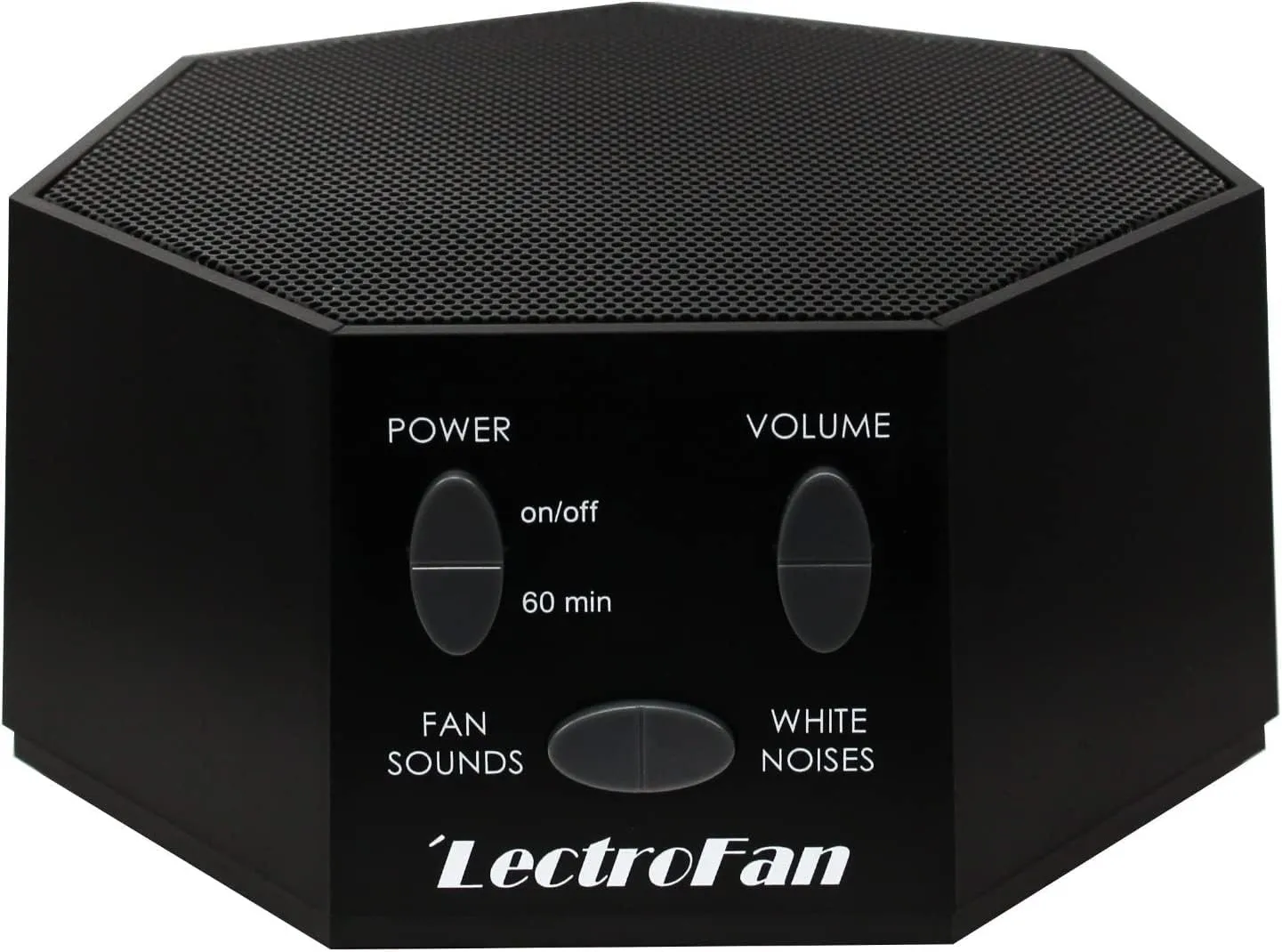
Best Sleep Products by Age Group — Editor Picks
As an Amazon Associate, SmartSleepCalc earns from qualifying purchases. Products are independently selected based on clinical relevance and user ratings.



How Sleep Architecture Changes with Age — N3 Deep Sleep Decline
N3 deep sleep declines ~2% per decade from age 20. Adults 65+ average only 3–8% N3 vs 20–25% in young adults — the primary reason older adults need sleep quality evaluation, not just hour-counting.
Frequently Asked Questions — Sleep Hours by Age
How much sleep does an adult need per night?
Adults aged 18–64 need 7–9 hours of sleep per night according to the National Sleep Foundation (Hirshkowitz et al., 2015). Adults 65 and older need 7–8 hours. Consistently sleeping below 6 hours is linked to cumulative cognitive impairment and metabolic risk regardless of subjective tolerance — Van Dongen et al. (2003) showed performance equivalent to 24-hr deprivation after just 14 nights of 6-hour sleep.
How much sleep do teenagers need?
Teenagers aged 14–17 need 8–10 hours per night (Hirshkowitz et al., 2015). Their circadian phase shifts 2–3 hours later during puberty due to hormonal changes — not behavioural choices. The American Academy of Pediatrics (2016) recommends school start times no earlier than 8:30 am precisely because of this biological delay. CDC data (2024) shows 73% of US high schoolers sleep under 8 hours — the most sleep-deprived age group in America.
Does sleep need decrease as you get older?
Slightly. Adults 65+ need 7–8 hours vs 7–9 hours for adults 18–64. What changes more dramatically than total hours is sleep architecture: N3 deep sleep declines by approximately 2% per decade from age 20, and sleep becomes lighter and more fragmented. A 70-year-old sleeping 7 hours gets proportionally less restorative deep sleep than a 30-year-old sleeping 7 hours — which is why sleep quality metrics (not just hours) become critical after 55.
Can I function on 6 hours of sleep long-term?
Most adults cannot — they adapt to feeling normal while being functionally impaired. This is the most dangerous feature of chronic sleep loss. Van Dongen et al. (2003, Sleep) demonstrated that subjects on 14 nights of 6-hour sleep showed cognitive deficits equivalent to 24 hours of total sleep deprivation, yet rated their sleepiness as only “mild.” The subjective sense of adaptation is real. The objective cognitive and metabolic impairment is also real — and does not resolve with subjective adaptation.
How do I know if I’m getting enough sleep for my age?
The most reliable self-test is the free-day wake test: go to bed at your usual time, set no alarm, and note when you naturally wake. Sleeping more than 1 hour longer than on work days confirms sleep debt. Supporting signals: needing caffeine before 10 am, feeling urgently sleepy in a warm quiet room after lunch, sleeping 2+ hours more on weekends. If all four apply, you are chronically underslept regardless of how “used to it” you feel.
Why do children need more sleep than adults?
Children’s brains undergo intensive synaptic pruning, memory consolidation, and physical growth during sleep. Growth hormone is released primarily during slow-wave N3 deep sleep, which constitutes a proportionally much larger share of sleep in children (20–25%) than in adults. Additionally, neural myelination — the process of insulating brain connections critical for cognitive development — occurs predominantly during sleep in the first decade of life.
What is the recommended sleep for a 14-year-old?
The NSF recommends 8–10 hours per night for teenagers aged 14–17. The natural sleep window for this age group is approximately 11 pm to 9 am — 2–3 hours later than most early-start school schedules allow. A 14-year-old with a 7:00 am school start who can’t fall asleep before 11 pm is structurally limited to 8 hours maximum — and often gets 6.5–7 hours due to the time needed to get ready. This is the exact population the AAP later-start-time policy is designed to protect.
Is oversleeping bad for you?
Occasionally sleeping longer during illness or after sleep debt is healthy and normal. Consistently sleeping 10+ hours per night without a clear reason is associated with higher cardiovascular risk and all-cause mortality in epidemiological studies — but this relationship is largely driven by reverse causality: chronic conditions (depression, sleep apnoea, hypothyroidism) cause excessive sleep rather than excessive sleep causing the conditions. If you routinely need 10+ hours and still feel unrefreshed, a GP evaluation for OSA or mood disorders is the appropriate next step.
When to See a Doctor About Your Sleep
Most sleep insufficiency is behavioural and responds to consistent sleep hygiene. However, these signs indicate a clinical sleep disorder that requires professional evaluation:
- Loud snoring with witnessed breathing pauses — hallmark of obstructive sleep apnoea (OSA). Affects 26% of US adults 30–70; over 80% undiagnosed. Highly treatable with CPAP, oral appliances, or positional therapy.
- Consistently needing 10+ hours to feel rested — may indicate OSA, depression, hypothyroidism, or narcolepsy. Do not self-diagnose; all are treatable with proper evaluation.
- Restless legs or uncomfortable sensations at night — restless legs syndrome (RLS) affects 7–10% of US adults. Iron deficiency is a common reversible cause. A simple blood test can rule this in or out.
- Falling asleep suddenly and uncontrollably during the day — possible narcolepsy or idiopathic hypersomnia. Both are underdiagnosed and manageable with medication and behavioural strategies.
- Insomnia lasting more than 3 months — by definition chronic insomnia. First-line treatment is CBT-I (not sleeping pills). Ask your GP for a referral or try FDA-cleared digital CBT-I (Somryst) or clinician-guided apps (Sleepio).
📚 References & Sources
- Hirshkowitz M et al. (2015). “National Sleep Foundation’s sleep time duration recommendations: methodology and results summary.” Sleep Health, 1(1):40–43. doi:10.1016/j.sleh.2014.12.010
- American Academy of Pediatrics (2016). “AAP Endorses New Recommendations on Sleep Times.” Pediatrics, 138(2). doi:10.1542/peds.2016-1601
- Van Dongen HPA et al. (2003). “The cumulative cost of additional wakefulness: dose-response effects on neurobehavioral functions and sleep physiology.” Sleep, 26(2):117–126.
- Roenneberg T et al. (2004). “A marker for the end of adolescence.” Current Biology, 14(24):R1038–R1039.
- Roenneberg T et al. (2012). “Social jetlag and obesity.” Current Biology, 22(10):939–943.
- CDC National Health Interview Survey (NHIS 2024). “Sleep duration among US adults.” cdc.gov/sleep
- CDC Youth Risk Behavior Surveillance System (YRBSS 2024). “Percentage of high school students sleeping less than 8 hours.”
- Young T et al. (2002). “Epidemiology of obstructive sleep apnea.” American Journal of Respiratory and Critical Care Medicine, 165(9):1217–1239.
- Adjaye-Gbewonyo D et al. (2022). “Sleep difficulties in adults: United States, 2020.” CDC NCHS Data Brief, No. 436.
- Sabia S et al. (2021, updated 2025). “Association of sleep duration at age 50, 60, and 70 years with risk of multimorbidity in the UK: 25-year follow-up.” Nature Communications. doi:10.1038/s41467-021-23078-3
- Czeisler CA et al. (1999). “Stability, precision, and near-24-hour period of the human circadian pacemaker.” Science, 284(5423):2177–2181.
- Killgore WDS (2010). “Effects of sleep deprivation on cognition.” Progress in Brain Research, 185:105–129.
- Sleep Medicine Reviews meta-analysis (2026). “Age-related changes in sleep architecture: a systematic review.” DOI pending publication.
- American Academy of Sleep Medicine (AASM) (2015). “Consensus Statement: Recommended Amount of Sleep for a Healthy Adult.” Journal of Clinical Sleep Medicine, 11(6):591–592.