Teeth Falling Out Dream: What Research Actually Shows
Dreaming that your teeth fall out is common and unsettling, but there is no proven one-size-fits-all meaning. The best direct study found an association with waking dental/jaw irritation, not psychological distress, in one undergraduate sample. That finding is interesting—not a diagnosis of bruxism and not proof that every teeth dream comes from your jaw.
A teeth-falling-out dream does not have one scientifically proven meaning. A 2018 study of 210 undergraduates found these dreams were associated with waking sensations of tension or irritation in the teeth, gums, or jaw and were not associated with psychological distress in that sample. The study was preliminary and self-reported, so it cannot prove that sleep bruxism causes the dream. If the dream comes with jaw pain, tooth wear, headaches, or grinding, discuss those physical symptoms with a dentist.
The 2018 Teeth-Dream Study: Useful, but Easy to Overstate
The strongest directly relevant study is important because it tested both a physical-sensation hypothesis and a psychological-distress hypothesis. It does not justify turning teeth dreams into a bruxism diagnostic test.
- 210 undergraduate participants completed dream, dental-irritation, psychological-distress, and sleep-quality measures.
- Teeth dreams were associated with waking sensations of tension/irritation in the teeth, gums, or jaw.
- Teeth dreams were not associated with the study’s psychological-distress measures.
- The authors described the findings as preliminary and suggested somatosensory sensations may sometimes be incorporated into dream imagery.
- It did not objectively diagnose sleep bruxism.
- It did not show that jaw tension is the cause of most teeth dreams.
- It did not show that anxiety can never contribute to an individual’s dream.
- It did not validate meanings for “crumbling,” “spitting,” one tooth, or all teeth.
- It did not test treatments for stopping the dreams.
Does a Teeth Dream Mean You Grind Your Teeth?
No. Sleep bruxism means masticatory muscle activity during sleep. Current reviews describe it as a multifactorial behavior, not something that can be diagnosed from one dream, one sore morning, or one worn tooth.
Jaw muscle pain or tiredness, morning headaches, grinding sounds reported by a partner, and tooth wear may justify dental evaluation.
Jaw pain, headaches, tooth wear, and poor sleep can have other causes. A dream does not confirm bruxism.
Mouth guards can protect teeth and may reduce muscle activity in some people, but they are not proven “teeth-dream cures.”
What Does the Dream “Mean”?
Science does not provide a validated translation dictionary for dream scenes. The same image can carry different personal associations for different people.
| What you notice | What you can reasonably infer | What you cannot infer |
|---|---|---|
| Jaw soreness after waking | A physical jaw/dental issue may be worth checking, especially if it repeats. | That bruxism caused the dream or that the dream proves a sleep disorder. |
| Dream during a stressful period | Stress may be relevant to your sleep or dream experience. | That “teeth = anxiety,” burnout, loss of control, or one specific psychological diagnosis. |
| Teeth crumble, break, loosen, or fall out | These are common variations of a teeth-dream theme. | That each variation has a validated separate meaning. |
| Dream repeats | It may be useful to look for repeated sleep, stress, medication, or dental context. | That a fixed dream-frequency threshold proves bruxism or another disorder. |
| No physical symptoms at all | The dream can still occur without obvious dental symptoms. | That the dream must therefore be psychological or symbolic. |
A Simple Reality Check for a Repeating Teeth Dream
Instead of decoding the imagery, look at what happens around the dream and what is happening when you are awake.
Is this occasional, or is it repeatedly disturbing your sleep? Frequency alone is not diagnostic, but repeated distress is more useful information than one isolated dream.
Look for recurring jaw pain/tiredness, morning headaches, tooth sensitivity, chipped/worn teeth, or grinding noises reported by a partner.
Stress, sleep disruption, alcohol/caffeine use, smoking, medications, pain, and other sleep problems can all matter. Do not assume one of them is “the cause” from the dream alone.
Jaw/TMJ pain, dental disease, sleep apnea, medication-related vivid dreams, and recurrent nightmares are different issues even if they appear beside the same dream theme.
If physical dental/jaw symptoms repeat, start with a dentist. If there is loud snoring, gasping, witnessed breathing pauses, or marked daytime sleepiness, discuss sleep evaluation. If nightmares are causing substantial distress, consider a qualified mental-health professional.
The Dream Is Usually Not the Medical Issue—The Symptoms Around It May Be
Recurring jaw pain/tiredness, tooth wear or damage, new sensitivity, or a partner hearing grinding are practical reasons to ask about bruxism or another dental/TMJ problem.
Loud habitual snoring, witnessed breathing pauses, gasping/choking, or major daytime sleepiness can point to a separate sleep-breathing problem.
If dreams cause repeated awakenings, fear of sleep, daytime distress, or are connected with trauma or significant anxiety/depression symptoms, mental-health support may be useful.
Common Teeth-Dream Claims That Go Beyond the Evidence
There is no scientific evidence that a dream predicts a future death, dental loss, or other event.
No. The 2018 study did not find an association with psychological distress in its sample. That does not prove anxiety is irrelevant to every person’s dreams.
No. Waking dental/jaw irritation was associated with teeth dreams, but bruxism was not objectively diagnosed as the dream’s cause.
No validated evidence maps crumbling teeth to burnout, spitting teeth to communication anxiety, or one tooth to one specific worry.
Mouth guards can protect teeth and may help manage bruxism, but fixed dream-reduction timelines are not established.
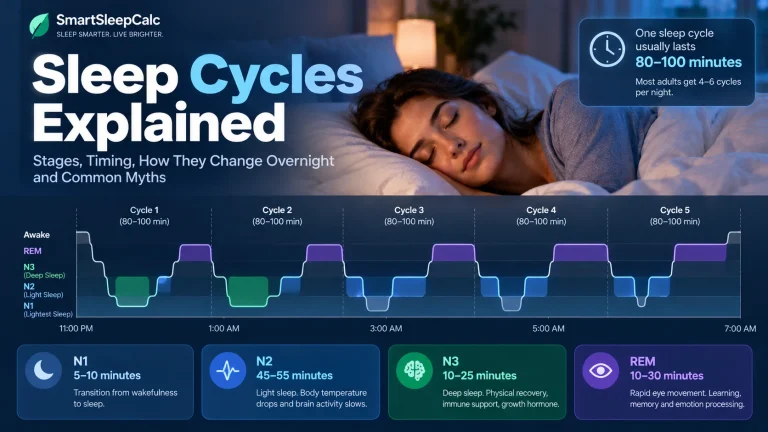
Dreaming is not exclusive to REM, and the teeth-dream study did not establish an REM-only pattern.
Teeth Falling Out Dream FAQs
Are teeth falling out dreams common?
Yes. A 2018 paper cites earlier dream-motif research in which 39.0% reported having experienced a teeth dream at least once, 16.2% described it as recurrent, and 8.2% as regular. Those are study-specific figures, not a current U.S. prevalence estimate.
Does dreaming about teeth falling out mean I have bruxism?
No. The main direct study found an association between teeth dreams and waking dental/jaw irritation, but it did not objectively diagnose bruxism or prove causation.
Does it mean I am anxious?
Not necessarily. In the 2018 undergraduate sample, teeth dreams were not associated with the study’s psychological-distress measures. Your own stress may still affect your sleep or dreams, but no one dream image diagnoses anxiety.
Should I buy a night guard because of the dream?
Not from the dream alone. If you have tooth wear, jaw pain/tiredness, headaches, or suspected grinding, a dentist can evaluate whether an oral appliance or another approach makes sense.
When should I worry about repeating teeth dreams?
There is no validated dream-frequency cutoff. Seek help based on impact and associated symptoms: persistent sleep disruption, significant distress, jaw/tooth problems, or possible sleep-apnea symptoms matter more than an arbitrary number of dreams per week.
Sources
- Rozen N, Soffer-Dudek N. Dreams of Teeth Falling Out: An Empirical Investigation of Physiological and Psychological Correlates. Frontiers in Psychology. 2018;9:1812. PubMed
- Balasubramaniam R, Manfredini D, Guan G, et al. Sleep Bruxism: A Narrative Review of Current Concepts, Mechanisms, and Clinical Implications. 2026. PMC
- National Institute of Dental and Craniofacial Research. Bruxism. Reviewed March 2025. NIDCR
- de Holanda GA, de Holanda TA, Casarin M. Are sleep and awake bruxism associated with sleep quality and duration in adults? A systematic review and meta-analysis. Sleep Medicine. 2025;129:175–186. PubMed