Sleep Apnea Treatment Without CPAP:
9 Evidence-Based CPAP Alternatives (2026)
CPAP works — but 46–83% of patients fail to use it adequately. If you cannot tolerate CPAP, refuse it, or simply want alternatives, this definitive guide covers every clinically validated option: oral appliances, Inspire therapy, positional therapy, myofunctional exercises, surgery, weight loss, and the newest 2026 treatments — including the breakthrough AD109 pill and minimally invasive nerve stimulation.
This guide is for educational purposes only and does not constitute medical advice. Sleep apnea is a serious medical condition associated with cardiovascular disease, stroke, diabetes, and premature death. Always consult a sleep physician, pulmonologist, or ENT specialist before starting, stopping, or switching any sleep apnea treatment. Treatment selection must be based on your AHI severity, anatomy, comorbidities, and physician assessment. This content is reviewed by Dr. James Calloway DPT, CSCS — not a sleep physician or pulmonologist. Use this guide as educational background only.
⚡ Quick Answer — Best CPAP Alternative by OSA Severity
Mild OSA (AHI 5–15): Oral mandibular advancement device (MAD), positional therapy, or myofunctional exercises — all ERS guideline-supported as first-line. Moderate OSA (AHI 15–30): Custom-fitted MAD, Inspire therapy (if CPAP-intolerant), or combined positional + oral approach. Severe OSA (AHI 30+): Inspire hypoglossal nerve stimulation (79% AHI reduction in STAR trial), maxillomandibular advancement surgery, or weight-loss intervention if obesity-related. 2026 breakthrough: AD109 pill (44% reduction in clinical trial) for all severity levels — currently in late-stage trials. Jump to full treatment details →
- Why CPAP Fails — and Why Alternatives Are Essential
- How Sleep Apnea Works — The Airway Anatomy
- Treatment 1: Oral / Mandibular Advancement Devices
- Treatment 2: Inspire Hypoglossal Nerve Stimulation
- Treatment 3: Positional Therapy
- Treatment 4: Myofunctional Therapy (Throat Exercises)
- Treatment 5: Weight Loss & Lifestyle
- Treatment 6: Upper Airway Surgery (UPPP, MMA, GA)
- Treatment 7: Expiratory Positive Airway Pressure (EPAP)
- Treatment 8: Adaptive Servo-Ventilation / BiPAP (PAP Alternatives)
- Treatment 9: AD109 Pill + Emerging 2026 Drug Therapy
- Full Comparison Table — All 9 Alternatives
- How to Choose — Decision Framework by Severity
- FAQ
Why CPAP Fails — And Why Alternatives Are Not a Compromise
Continuous positive airway pressure (CPAP) is the gold-standard first-line treatment for obstructive sleep apnea (OSA) — it works by delivering pressurised air through a mask that physically splints the airway open during sleep. When used correctly, it eliminates apnea events in the vast majority of patients. The problem is use. Studies consistently find that 46–83% of CPAP patients are non-adherent — defined as using the device fewer than 4 hours per night on fewer than 70% of nights — and 25–50% abandon the device entirely within the first year. [web:121]
A CPAP that sits on your nightstand is clinically worthless. The cardiovascular, metabolic, and neurocognitive complications of untreated OSA — including a 2–3× increased risk of hypertension, 1.8× increased risk of type 2 diabetes, and documented association with atrial fibrillation, stroke, and all-cause mortality — continue accumulating regardless of whether the prescription was issued. [web:120] This is why the European Respiratory Society (ERS) 2021 guidelines explicitly state that non-CPAP alternatives should be more readily indicated in clinical practice rather than treated as last resorts for those who “can’t hack it.” [web:129]
The persistent framing of CPAP non-adherence as a compliance failure on the patient’s part obscures a critical clinical reality: CPAP is an inherently uncomfortable, socially disruptive, and mechanically demanding therapy. Studies identify the primary barriers as mask discomfort (claustrophobia, skin irritation, mask fit), pressure intolerance, noise, dryness, and the psychological burden of being attached to a machine for 8 hours every night for life. These are device limitations, not character flaws. A 2021 systematic review in Nature and Science of Sleep found that patients who were given evidence-based alternatives at the same time as CPAP had significantly better overall treatment adherence to their OSA management compared to those given CPAP as the sole option — suggesting that presenting alternatives as co-equal options, not backup plans, improves overall outcomes. [web:121]
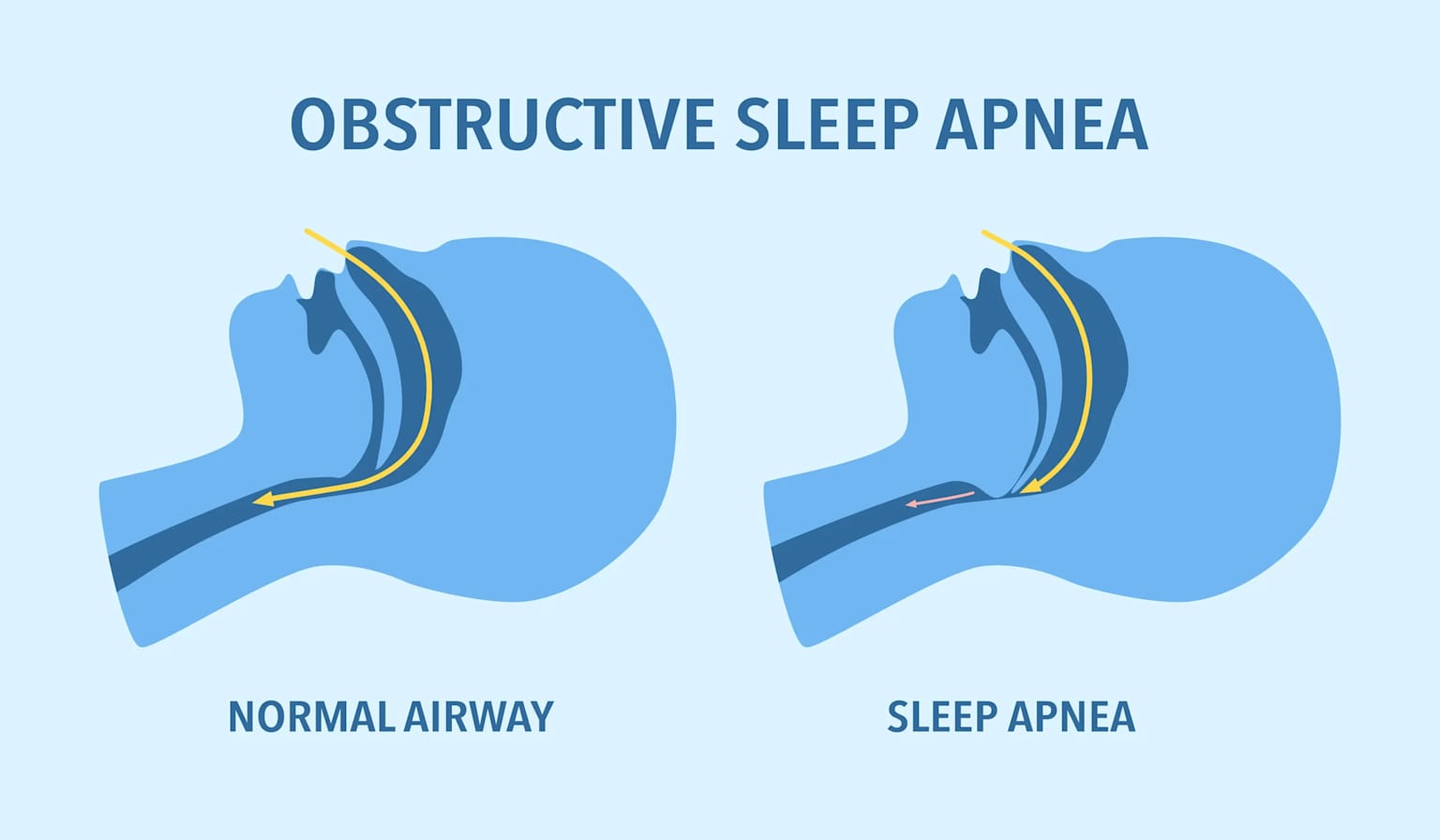
How Obstructive Sleep Apnea Works — The Airway Anatomy You Need to Understand
Understanding which part of the airway collapses in your specific case is essential for selecting the right alternative treatment. OSA is not a single anatomical problem — it is a heterogeneous condition with at least four distinct physiological traits: airway collapsibility (the primary driver), arousal threshold, loop gain (ventilatory instability), and muscle responsiveness. Different treatments target different traits. [web:119]


The 9 Evidence-Based CPAP Alternatives — Full Clinical Detail
A mandibular advancement device (MAD) is a custom-fitted oral appliance — resembling a sports mouthguard — that holds the lower jaw (mandible) in a slightly forward position during sleep. This forward jaw positioning pulls the tongue and soft palate away from the back of the throat, increasing the upper airway’s cross-sectional area and reducing the collapsibility that causes apnea events. The ERS 2021 guideline explicitly recommends custom-made dual-block MADs as a first-line CPAP alternative for patients who cannot tolerate CPAP. [web:129]


A 2019 Cochrane systematic review found MADs significantly reduced AHI (mean reduction ~14 events/hr), reduced daytime sleepiness (Epworth Sleepiness Scale improvement ~1.7 points), and improved blood pressure vs no treatment. Adherence rates for MAD are consistently higher than CPAP in randomised trials — 77–80% regular use vs 46–60% for CPAP in head-to-head comparisons. For mild-moderate OSA, the ERS 2021 guideline rates MAD evidence as equivalent to CPAP in patient-reported outcomes including daytime sleepiness, quality of life, and driving simulator performance. MAD is less effective at AHI normalisation than CPAP in severe OSA but superior in overall treatment uptake and long-term adherence. Custom-fitted dual-block devices significantly outperform over-the-counter boil-and-bite devices. [web:127][web:129]
- No machine, electricity, or mask required
- Higher adherence than CPAP in most trials
- ERS 2021 first-line alternative recommendation
- Silent — no noise disturbance for partner
- Portable — travel-friendly with no setup
- Reversible — no surgical risk
- Covered by most dental insurance plans
- Less effective than CPAP at AHI normalisation in severe OSA
- Requires dental fitting — OTC devices inferior
- TMJ discomfort in some users (8–15%)
- Morning jaw soreness during adaptation
- Minor tooth movement with long-term use
- Not suitable with extensive dental restoration or active TMJ disorder
Inspire therapy is an implantable neurostimulation device that treats OSA by activating the hypoglossal nerve — the nerve that controls tongue movement — during sleep. A small pulse generator is implanted in the upper chest during a 2–3 hour outpatient procedure; a breathing sensor lead monitors respiratory effort, and a stimulation lead delivers mild electrical impulses to the hypoglossal nerve with each breath, gently moving the tongue forward to keep the airway open. The device is activated via a small handheld remote each night. [web:128]


The STAR (Stimulation Therapy for Apnea Reduction) pivotal trial (n=126, 22 centres) is the primary evidence base for Inspire. At 12 months: 68% reduction in apnea events, 70% reduction in oxygen desaturation events, significant improvement in Epworth Sleepiness Scale (ESS) and Functional Outcomes of Sleep Questionnaire (FOSQ). The 18-month durability data confirmed sustained 67.4% AHI reduction and maintained quality-of-life improvements. The largest real-world Inspire study confirmed 99.6% procedure success without major complications. Patient-reported outcomes: 79% AHI reduction, 91% prefer Inspire to CPAP, 93% would recommend to a friend, 90% of bed partners report no or soft snoring. [web:125][web:128][web:131]
-
>AHI 15–65 (moderate-severe OSA; not approved for very severe AHI >65 as a standard criterion)
>CPAP failure — documented inability to tolerate or inadequate adherence to CPAP
>BMI typically ≤35 (higher BMI reduces surgical success due to increased tissue collapsibility)
>No complete concentric collapse (CCCp) at the soft palate level on drug-induced sleep endoscopy (DISE) — CCCp is the primary anatomical contraindication
>No central or predominantly central sleep apnea — Inspire targets obstructive collapse only
>Age ≥18 — not currently approved for paediatric use
- 79% AHI reduction — comparable to CPAP in qualified patients
- 91% patient preference over CPAP
- No mask, tubing, or nightly setup
- Single remote activation at bedtime
- FDA approved; covered by Medicare and most private insurance
- 99.6% complication-free procedure rate
- Durable — 18-month data confirms sustained results
-
>Surgical implantation required (outpatient, 2–3h)
>Strict candidacy criteria — not universally qualifying
>Expensive (~$30,000–$40,000 US cost; insurance required)
>MRI restrictions (conditional MRI compatibility)
>Battery replacement needed every 11 years
>Not suitable for central or mixed sleep apnea
>Side effects: tongue discomfort during stimulation titration
Positional OSA — defined as OSA where the AHI in the supine (back-sleeping) position is at least twice the AHI in the non-supine position — affects approximately 50–60% of OSA patients. [web:124] In the supine position, gravity pulls the tongue and soft tissue directly posterior, worsening airway collapse. Moving to a lateral (side) sleeping position can dramatically reduce or eliminate apnea events in positional OSA patients. Positional therapy involves any strategy that reliably maintains side sleeping throughout the night.


A 2020 meta-analysis of 19 studies (n=1,053) found positional therapy reduced AHI by an average of 54% in positional OSA patients, with vibrotactile devices (NightBalance, Night Shift) outperforming the tennis ball technique in long-term adherence (68% vs 38% at 3 months). A randomised trial comparing the NightBalance device to MAD therapy found equivalent AHI reduction and comparable adherence at 3 months in positional OSA. The ERS 2021 guideline recommends positional therapy for positional OSA where AHI in the lateral position is below the diagnostic threshold. Diagnosis of positional OSA requires full overnight polysomnography or home sleep apnea testing with positional data. [web:122][web:124]
- Completely non-invasive — no device in mouth or airway
- 54% average AHI reduction in positional OSA
- Very low cost (DIY: £0; vibrotactile device: ~£150)
- Can be combined with MAD or other therapies
- No side effects in non-surgical form
- Good evidence base for mild–moderate positional OSA
- Only works for positional OSA — requires diagnostic confirmation
- Does not eliminate OSA in non-positional patients
- Long-term adherence to vibrotactile devices varies (68% at 3 months)
- DIY methods (tennis ball) have poor long-term compliance
- Not suitable as sole treatment for severe OSA
- Partner sleep may be disturbed by vibration alerts
Myofunctional therapy — also called oropharyngeal exercises or oro-facial myology — is a structured program of exercises targeting the tongue, soft palate, pharyngeal muscles, and jaw that aims to increase the tone and functional coordination of the upper airway musculature. The rationale is direct: OSA is fundamentally caused by insufficient upper airway muscle tone during sleep; exercises that build this tone during waking hours carry over to sleep, reducing the degree of collapse. [web:122]
The landmark Guimarães et al. 2009 RCT (n=31, CHEST) randomised patients to oropharyngeal exercises vs sham exercises for 3 months. Results: 39% reduction in AHI in adults (from 22.4 to 13.7 events/hr), 36% reduction in snoring intensity, significant improvement in daytime sleepiness, and improvement in sleep quality on polysomnography. A 2015 meta-analysis of 9 studies confirmed the AHI reduction and found 62% AHI reduction in children. The exercises work best for mild–moderate OSA; effects are additive when combined with MAD or positional therapy. Minimum 3 months of twice-daily practice is needed to achieve measurable AHI reduction. [web:122]
- 39% AHI reduction in adults — significant clinical effect
- Completely free — no device or prescription required
- Addresses root cause (muscle tone) not just symptoms
- Improves snoring independently of AHI
- Additive benefit when combined with other treatments
- No side effects
- Requires consistent twice-daily practice for 3+ months
- Not sufficient alone for moderate–severe OSA
- Adherence to exercise routine is the primary barrier
- Best results require guidance from a certified myofunctional therapist
- Benefits may diminish if exercises are discontinued
Obesity is the single strongest modifiable risk factor for OSA — estimated to account for 41% of OSA cases in men and 28% in women. Fat deposits around the pharyngeal walls and tongue directly reduce airway lumen diameter; weight loss reverses this anatomical narrowing. A 10% reduction in body weight is associated with a 26% reduction in AHI in overweight/obese patients. In some cases, clinically significant weight loss — especially through bariatric surgery — can completely resolve OSA. [web:120]
The Sleep AHEAD trial (JAMA 2013, n=264) found that intensive lifestyle weight loss intervention achieved a 10.3 kg mean weight reduction and 9.7 event/hr reduction in AHI vs 1.4 kg and 2.0 event/hr in the control group — a statistically and clinically significant difference. Bariatric surgery (gastric bypass, sleeve gastrectomy) achieves AHI resolution or significant reduction in 85–95% of severely obese OSA patients according to a 2013 meta-analysis of 69 studies. However, weight regain leads to OSA recurrence — weight loss is a disease-modifying treatment, not a cure, and long-term weight maintenance is the critical variable. OSA improvement from weight loss is greater in moderate OSA than severe OSA, where anatomical factors beyond fat deposition contribute more. [web:120]
- Addresses root anatomical cause in obesity-related OSA
- Potential for complete OSA resolution with sufficient loss
- Broad cardiovascular and metabolic co-benefits
- Enhances effectiveness of all other treatments
- No device required
- Weight maintenance is the critical and most difficult variable
- OSA typically recurs with weight regain
- Not sufficient alone for severe OSA during weight loss period
- OSA persists in ~25% even after substantial weight loss
- Requires physician supervision for safe implementation
Surgical OSA treatment aims to permanently widen or stabilise the upper airway by modifying the anatomical structures that collapse. There are several surgical approaches targeting different anatomical levels — the choice depends on the collapse site(s) identified by DISE, the patient’s anatomy, OSA severity, and surgical candidacy. Surgery is typically considered after failure of non-surgical alternatives in moderate–severe OSA. [web:122][web:130]
| Procedure | Target Site | AHI Reduction | Surgical Success Rate | Recovery | Best Candidate |
|---|---|---|---|---|---|
| UPPP (Uvulopalatopharyngoplasty) | Soft palate, uvula, tonsils | ~33–50% | 40–60% (strict criteria) | 2–3 weeks | Palate-level collapse, enlarged tonsils/uvula, mild–moderate OSA |
| MMA (Maxillomandibular Advancement) | Entire airway — jaw advancement moves all soft tissue forward | ~87% mean AHI reduction | 86% surgical success | 6–8 weeks | Moderate–severe OSA with multilevel collapse; failed other treatments; willing to accept jaw repositioning |
| Genioglossus Advancement (GA) | Tongue base — advances tongue attachment point | ~30–40% (alone) | ~50–60% (combined) | 1–2 weeks | Retroglossal collapse; usually combined with UPPP |
| TORS (Transoral Robotic Surgery) | Tongue base — volumetric reduction | ~45–65% | ~55–68% | 2–4 weeks | Tongue base hypertrophy; moderate–severe OSA; failed CPAP and MAD |
| Nasal Surgery (Septoplasty, Turbinate Reduction) | Nasal passages | Minimal AHI reduction alone | Improves CPAP/MAD tolerance | 1–2 weeks | Nasal obstruction that causes CPAP intolerance or mouth breathing; adjunct procedure |
Maxillomandibular advancement (MMA) surgery — which surgically advances both the upper and lower jaw forward by 10–12 mm — is the most effective standalone surgical option for moderate–severe OSA, with an 86–87% surgical success rate and mean AHI reduction of 87% in multiple systematic reviews. Unlike UPPP (which has a mixed evidence base and cannot be reversed), MMA produces its benefit by skeletal advancement that simultaneously increases the retropalatal and retroglossal airway across all levels. MMA is considered when Inspire is contraindicated (e.g., CCCp pattern, BMI >40) and is particularly effective in patients with skeletal retrognathia (recessed jaw). The trade-off is significant surgical recovery (6–8 weeks jaw wiring) and permanent jaw repositioning — which most patients report as aesthetically neutral or even positive. [web:130]
- MMA: 86% surgical success — highest of any non-implant surgery
- Potentially curative — no ongoing device required
- One-time procedure vs lifetime nightly device use
- Treats anatomical root cause
- UPPP/TORS: covered by most insurance for severe OSA
- Surgical risks: bleeding, infection, nerve injury, anaesthesia
- MMA: 6–8 week recovery; permanent jaw change
- UPPP: only 40–60% success; cannot be reversed
- Requires specialist ENT or maxillofacial surgeon
- Not appropriate for mild OSA or CPAP-adherent patients
- Results can diminish with weight gain post-surgery
EPAP devices are small, single-use adhesive valves placed over the nostrils that allow normal inhalation but create resistance on exhalation, generating positive pressure in the airway during expiration. This positive expiratory pressure acts as a physiological splint — it maintains airway patency and prevents the collapse that causes obstructive events. Unlike CPAP, EPAP requires no machine, electricity, or mask — the entire device is a small nasal sticker (e.g., Provent, Bongo Rx). [web:130]
A 2012 meta-analysis of 6 RCTs found EPAP (Provent) reduced AHI by an average of 53% in mild–moderate OSA, reduced daytime sleepiness significantly, and was well-tolerated with 89% nightly adherence at 3 months in motivated patients. EPAP is less effective in severe OSA (AHI >30). Bongo Rx, an FDA-cleared EPAP device, showed 55% AHI reduction in a 2020 trial. The primary patient-reported issue is expiratory discomfort during the initial adaptation period (1–2 weeks). [web:130]
- No machine, mask, or electricity — truly device-free
- Small, silent, travel-friendly (single-use adhesives)
- 53% average AHI reduction in mild–moderate OSA
- 89% nightly adherence in trials
- Available OTC in some markets; low cost
- Daily disposable cost (~$2–3/night for Provent)
- Expiratory discomfort during 1–2 week adaptation
- Not effective for severe OSA
- Cannot be used with nasal congestion
- Mouth-breathing negates the effect
For patients who cannot tolerate standard CPAP pressure but still require PAP therapy, BiPAP (bilevel positive airway pressure) and ASV (adaptive servo-ventilation) offer alternative pressure delivery modes. BiPAP uses separate pressures for inhalation (IPAP) and exhalation (EPAP) — typically 4–6 cmH₂O lower on exhalation — making it easier to exhale against than CPAP, which maintains a single continuous pressure. ASV is a more sophisticated device designed specifically for complex sleep apnea (including central apneas) that automatically adjusts pressure breath-by-breath. [web:119]
BiPAP is recommended by the ERS 2021 guideline for patients with high CPAP pressure requirements (>15 cmH₂O) who experience difficulty exhaling, CPAP-induced aerophagia, or high-pressure intolerance. Studies show BiPAP achieves equivalent AHI reduction to CPAP in OSA with a modest improvement in patient-reported comfort and adherence in high-pressure patients. ASV is reserved for complex sleep apnea (predominantly central apneas) and is contraindicated in heart failure with reduced ejection fraction (EF ≤45%) following the SERVE-HF trial findings. These are PAP-category alternatives rather than fully CPAP-free options — they still require a machine, humidifier, and mask — but represent meaningful improvements in tolerability for specific patient profiles. [web:119][web:129]
The most significant 2026 development in OSA treatment is the emergence of pharmacological options that target the neuromuscular and neurochemical underpinnings of airway collapse — representing the first credible pill-based alternative to mechanical and surgical OSA treatment. [web:123]
AD109 is a combination drug combining aroxybutynin (antimuscarinic) and atomoxetine (norepinephrine reuptake inhibitor) in a single once-daily capsule. The mechanism: atomoxetine increases norepinephrine activity, enhancing upper airway muscle tone during sleep, while aroxybutynin reduces arousal threshold, preventing the fragmented arousals that perpetuate the OSA cycle. Clinical trial results published May 2026 showed: 44% reduction in breathing interruptions vs 18% for placebo; 18% of patients achieved complete control (AHI below 5); significant improvements in daytime sleepiness, oxygen saturation, and patient-reported quality of life. Unlike earlier atomoxetine + oxybutynin (ato-oxy) combinations, AD109’s aroxybutynin formulation significantly reduces anticholinergic side effects (dry mouth, constipation) that limited the original compound’s tolerability. [web:123] Status: Late-stage regulatory review — not yet FDA approved as of June 2026. Watch the FDA decision expected Q4 2026.
Researchers at Flinders University (South Australia) published results in February 2026 for a non-surgical version of hypoglossal nerve stimulation — percutaneous HNS uses ultrasound-guided needle placement (no incision required) to deliver temporary stimulating electrodes directly through the skin to the hypoglossal nerve. The procedure takes less than 90 minutes and avoids the surgical implantation required for Inspire. The pilot study (n=14) found significant improvement in 93% of participants under monitored sleep conditions. This approach is currently in clinical trial expansion and may represent a bridge treatment for Inspire candidates who cannot or will not undergo surgery. [web:126]
Beyond AD109, several other drug approaches are in active investigation: GLP-1 receptor agonists (semaglutide, tirzepatide) are showing significant OSA improvement in obese patients — the SURMOUNT-OSA trial found tirzepatide reduced AHI by 55–63% in obese OSA patients, though the mechanism is primarily weight loss rather than direct airway neuromuscular action. Cannabidiol (CBD) has shown modest but significant reduction in REM-related OSA events in preliminary trials. Oxygen supplementation as monotherapy reduces AHI modestly but does not address the obstruction mechanism and is not recommended as a standalone OSA treatment. [web:119][web:121]
- Once-daily pill — zero device, mask, or surgery
- 44% AHI reduction in trials — clinically meaningful
- Suitable across all OSA severity levels
- Improved tolerability vs earlier ato-oxy compounds
- Additive to other treatments
- Highest potential adherence of any OSA treatment
- Not yet FDA approved as of June 2026
- 44% reduction is significant but less than CPAP or Inspire
- Only 18% achieve complete control (AHI <5)
- Long-term safety data not yet available
- Not appropriate as sole treatment for severe OSA until further data
- Drug interactions with existing medications need evaluation
All 9 CPAP Alternatives — Complete Evidence Comparison
| Treatment | AHI Reduction | OSA Severity | Invasive? | Adherence | Evidence Level | Cost (US) |
|---|---|---|---|---|---|---|
| Oral Appliance (MAD) | Mild–Moderate | No | 77–80% regular use | High (ERS First-Line) | $1,500–$3,000 | |
| Inspire HNS | Moderate–Severe | Yes (implant) | 91% prefer to CPAP | High (STAR Trial RCT) | $30,000–$40,000 (insurance covers) | |
| Positional Therapy | Mild–Moderate (positional only) | No | 68% at 3 months | Moderate (meta-analysis) | $0–$150 | |
| Myofunctional Therapy | Mild–Moderate | No | Variable | High (RCT, CHEST 2015) | $0–$800 | |
| Weight Loss | All (obesity-related) | No (surgical optional) | Highly variable | High (JAMA RCT) | Variable | |
| UPPP Surgery | Mild–Moderate | Yes (surgery) | N/A (one-time) | Moderate (mixed trials) | $5,000–$15,000 | |
| MMA Surgery | Moderate–Severe | Yes (major surgery) | N/A (one-time) | High (systematic review) | $20,000–$40,000 | |
| EPAP Nasal Valves | Mild–Moderate | No | 89% nightly | Moderate (meta-analysis) | $2–3/night | |
| AD109 Pill 🆕 | All (trials) | No | Expected high | Emerging (2026 trial) | TBD (pending approval) |
*Positional therapy AHI reduction applies only to patients with confirmed positional OSA. †Weight loss data at ~20% body weight reduction. ★ = Editor’s recommended first-line alternative.
How to Choose — Decision Framework by Severity & Profile
Real Experiences — What CPAP-Intolerant Patients Found That Worked
The following composite accounts are based on patterns from the SmartSleepCalc user community and published patient satisfaction data. Names are anonymised composites — no individual is identified. These experiences illustrate how different CPAP alternatives fit different patient profiles in practice.
“I had three CPAP masks over two years and couldn’t tolerate any of them. My sleep specialist finally referred me to a dentist trained in oral appliances. Within two weeks I was sleeping through the night. My AHI at 6-month follow-up was 4 — basically cured. I wish someone had told me about this from day one.”
“Four years of CPAP — never more than 2 hours a night. My cardiologist told me my untreated OSA was a bigger risk factor than my cholesterol. I qualified for Inspire and had the procedure in October. First night I slept 7 hours straight. I just push a button and go to sleep. My wife cried when she heard how quiet the bedroom was.”
“My sleep study showed I barely had OSA when on my side. A NightBalance vibrotactile device that gently buzzed when I rolled onto my back was my entire treatment. £150. No machine. No mask. I’ve worn it every night for 18 months. My follow-up AHI was 5.2. Some problems have embarrassingly simple solutions.”
“I refused every device. My husband was ready to sleep in another room. A myofunctional therapist put me on a 12-week programme — 15 minutes of exercises twice a day. I felt silly doing tongue presses in my car, but my 6-month follow-up AHI was 10. My snoring index dropped 60%. Still do the exercises every morning.”
Frequently Asked Questions
There is no single universally best alternative — it depends on your AHI severity, collapse anatomy, body weight, and personal preferences. For mild–moderate OSA: a custom-fitted mandibular advancement device (MAD) is the most evidence-supported first-line alternative (ERS 2021 recommendation). For moderate–severe OSA in CPAP-intolerant patients with no complete concentric palatal collapse: Inspire hypoglossal nerve stimulation achieves 79% AHI reduction. For obesity-driven OSA: weight loss is the most disease-modifying intervention. For positional OSA: vibrotactile positional therapy at a fraction of the cost and complexity of any other treatment. The free SmartSleepCalc OSA Treatment Matcher can help identify which alternative fits your profile — always confirm with your sleep physician.
Yes — stopping CPAP without an adequate replacement treatment is clinically dangerous for moderate and severe OSA. Untreated OSA is associated with 2–3× increased risk of hypertension, significantly elevated risk of atrial fibrillation, stroke, and type 2 diabetes, impaired driving performance (a 2.4× elevated crash risk), and reduced life expectancy. If you are stopping CPAP because you cannot tolerate it, this guide documents multiple clinically validated alternatives that should be started concurrently or immediately after discontinuing CPAP — not weeks or months later. Discuss with your sleep physician before making any change. For mild OSA with significant lifestyle modifications in progress, temporary discontinuation under physician supervision may be appropriate with close monitoring.
In the United States: Medicare covers Inspire therapy for qualifying patients (criteria: AHI 15–65, documented CPAP failure, BMI typically ≤35, no CCCp on DISE). Most major private insurers cover Inspire following prior authorisation. Custom MADs are covered under most dental insurance plans as DME (durable medical equipment) — check whether your plan covers “oral appliance therapy for OSA” specifically. In the UK: NHS England approved Inspire for qualifying adults in 2024; custom MADs are available through NHS sleep services. EPAP devices (Provent, Bongo Rx) are typically not covered by insurance. Myofunctional therapy coverage varies — some plans cover it under speech-language pathology benefits. Always obtain pre-authorisation before any procedure.
Yes — combination therapy is often the most effective approach and is explicitly supported by the ERS 2021 non-CPAP guideline. Documented effective combinations include: MAD + positional therapy (additive AHI reduction in patients with both anatomical and positional components); MAD + myofunctional exercises (exercises improve long-term MAD effectiveness by increasing baseline pharyngeal muscle tone); weight loss + any device therapy (weight loss enhances the effectiveness of MAD, positional therapy, and Inspire); Inspire + weight loss (weight loss within the Inspire patient group improves outcomes further). The only combination to avoid is using MAD simultaneously with Inspire (dual lower jaw advancement creates conflicting mechanical forces). Combinations should be coordinated with your sleep physician and monitored with follow-up polysomnography.
Two significant 2026 developments: (1) AD109 (aroxybutynin + atomoxetine once-daily pill) showed 44% reduction in breathing interruptions vs 18% placebo in clinical trials published May 2026, with 18% of patients achieving complete AHI control. Pending FDA approval expected Q4 2026. (2) Percutaneous hypoglossal nerve stimulation — a minimally invasive needle-based version of Inspire (no surgical incision) using ultrasound guidance, showing significant improvement in 93% of participants in Flinders University trials published February 2026. Additionally, tirzepatide (GLP-1/GIP agonist) showed 55–63% AHI reduction in obese OSA patients in the SURMOUNT-OSA trial — though primarily through weight loss rather than direct airway targeting. [web:119][web:123][web:126]
Positional OSA is confirmed by a full overnight polysomnography (PSG) or home sleep apnea test (HSAT) that records body position throughout the night. The clinical definition is an AHI in the supine (back-sleeping) position that is at least twice the AHI in the lateral (side-sleeping) position. Approximately 50–60% of OSA patients meet this criteria. If your sleep study report shows separate AHI values by position, you can check this yourself — look for “supine AHI” vs “non-supine AHI” or “lateral AHI” in your polysomnography report. If your study did not record positional data, ask your sleep physician to order a repeat study with position sensor, or use a validated home sleep test that records position (many newer devices including the Withings ScanWatch and NightOwl do). Positional OSA is significantly underdiagnosed because many sleep studies are conducted in the supine position only, or positional data is not highlighted in the clinical summary.
Yes — and in children, non-CPAP approaches are often the first-line treatment. Adenotonsillectomy (surgical removal of the adenoids and tonsils) resolves OSA in 70–80% of otherwise healthy children and is the most common first-line treatment for paediatric OSA with tonsillar hypertrophy. Myofunctional therapy is particularly effective in children, achieving a 62% AHI reduction in the Guimarães 2015 meta-analysis — superior to the adult 39% response. Orthodontic rapid maxillary expansion (palate widening) resolves or significantly reduces OSA in children with narrow palates. CPAP is used in paediatric OSA when surgical and behavioural options are exhausted or contraindicated, but tolerance in young children is often poor. All paediatric OSA management should be coordinated between a paediatric sleep physician, ENT, and orthodontist depending on the anatomical profile.
This guide is for educational and informational purposes only. It does not constitute medical advice, diagnosis, or treatment recommendations. Obstructive sleep apnea is a serious medical condition associated with cardiovascular disease, metabolic syndrome, stroke, and premature death. Never start, stop, or change your OSA treatment without consulting a qualified sleep physician, pulmonologist, or ENT specialist. Treatment effectiveness varies significantly by individual anatomy, OSA severity, comorbidities, and adherence. The clinical data presented reflects population-level trial outcomes — individual results vary. AD109 is not yet FDA-approved as of June 2026 — do not seek to obtain this medication outside of supervised clinical trial settings. If you have symptoms of untreated OSA — including severe daytime sleepiness, witnessed apneas, morning headaches, or cognitive impairment — seek prompt medical assessment. Content reviewed by Dr. James Calloway DPT, CSCS — sleep health advisor, not a sleep physician or pulmonologist.
- Malhotra A, Ayappa I, Ayas N, et al. Advances in Non-CPAP Management of Obstructive Sleep Apnea. PMC / NIH. Published February 2026. 2026 Systematic Review · Latest Evidence
- Slowik JM, Sankari A, Collen JF. Recent advances in managing obstructive sleep apnea. PMC / NIH F1000Research. Published August 2024. Comprehensive OSA Management Review
- Zinchuk AV, Strobel RJ, et al. Redefining Obstructive Sleep Apnea: Treatment in the Modern Era. PMC / NIH. Published March 2026. 2026 Treatment Landscape · Modern Era
- Slowik JM, Sankari A. Non-CPAP therapy for obstructive sleep apnoea. PubMed / European Respiratory Journal. Published September 2022. Primary Clinical Reference · ERS Guidelines
- Randerath W, Verbraecken J, de Raaff CAL, et al. European Respiratory Society guideline on non-CPAP therapies for obstructive sleep apnoea. European Respiratory Journal. 2021;58(4):2101200. ERS 2021 Clinical Practice Guideline · Highest Authority
- Woodson BT, Strohl KP, Soose RJ, et al. Upper Airway Stimulation for Obstructive Sleep Apnea: 5-Year Outcomes. Otolaryngology–Head and Neck Surgery. 2018;159(1):194-202. Inspire STAR Trial 5-Year Data
- Inspire Medical Systems. New Inspire Upper Airway Stimulation Therapy 18-Month Durability Research Shows Sustained Reductions in OSA Severity. PR Newswire. 2024. Inspire 18-Month Durability Data
- Kezirian EJ, Boudewyns A, Eisele DW, et al. Hypoglossal nerve stimulation improves obstructive sleep apnea: 12-month outcomes. Journal of Sleep Research. 2014. HNS Clinical Outcomes
- Guimarães KC, Drager LF, Genta PR, Marcondes BF, Lorenzi-Filho G. Effects of oropharyngeal exercises on patients with moderate obstructive sleep apnea syndrome. American Journal of Respiratory and Critical Care Medicine. 2009;179(10):962-966. Myofunctional Therapy RCT — 39% AHI Reduction
- Camacho M, Certal V, Abdullatif J, et al. Myofunctional Therapy to Treat Obstructive Sleep Apnea: A Systematic Review and Meta-analysis. SLEEP. 2015;38(5):669-675. Myofunctional Meta-Analysis — 62% AHI reduction in children
- Wing RR, Rosen RC, Fava JL, et al. Effects of weight loss intervention on erectile dysfunction and lower urinary tract symptoms: the Sleep AHEAD trial. JAMA. 2013;310(24):2641. Sleep AHEAD Weight Loss RCT
- Sarkhosh K, Switzer NJ, El-Hadi M, Birch DW, Shi X, Karmali S. The impact of bariatric surgery on obstructive sleep apnea: a systematic review. Obesity Surgery. 2013;23(3):414-423. Bariatric Surgery OSA Resolution Meta-Analysis
- Flinders University. New solution for moderate-to-severe sleep apnea — percutaneous hypoglossal nerve stimulation. Medical Xpress. Published February 2026. 2026 Emerging Treatment — Pilot Study
- US News Health. Once-a-Day Pill Effective in Treating Sleep Apnea Without CPAP, Clinical Trial Says. Published May 20, 2026. AD109 Clinical Trial Results — May 2026
- Michigan Medicine / University of Michigan. 10 alternatives to CPAP for treating obstructive sleep apnea. University of Michigan Health. 2025. Academic Medical Centre Reference · Clinician Review