
-
>Why 3AM is the most biologically fragile sleep hour — and what makes it different from any other time
>All 7 real triggers behind 3AM wake-ups, including 3 that most articles completely skip
>A real-world case study: how Aisha went from PSQI 13 → PSQI 4 in 6 weeks without medication
>A clear, targeted 5-step protocol you can start tonight
Why Do You Wake Up at 3AM? The Direct Answer
Your body crosses a biological threshold around 3AM that no other hour triggers — and it comes down to three separate processes colliding simultaneously. By 3AM you’ve completed roughly 4–5 hours of sleep, meaning you’re finishing your last deep NREM cycle and shifting into lighter, REM-dominant sleep. REM is inherently unstable: your brain hovers just below the threshold of consciousness and almost anything tips it over.
Here is the thing that most sleep articles miss: everyone briefly arouses at 3AM. The mechanism is universal. Your core body temperature drops to its lowest point (around 96.4°F / 35.8°C), cortisol begins its natural pre-dawn rise, and your adenosine-driven sleep pressure has been partially cleared. The issue isn’t waking itself — it’s whether you can fall back asleep within a few minutes. If you can’t, something is amplifying that normal arousal into a full, conscious wake episode. The next sections identify exactly which amplifier is yours.
3AM isn’t special because of folklore. It’s special because of sleep architecture — every adult’s sleep becomes lightest and most fragile between 2–4AM. The question is always: why is your arousal threshold low enough to cross into full wakefulness?
Your Sleep Architecture — Why 3AM Is Peak Disruption Time
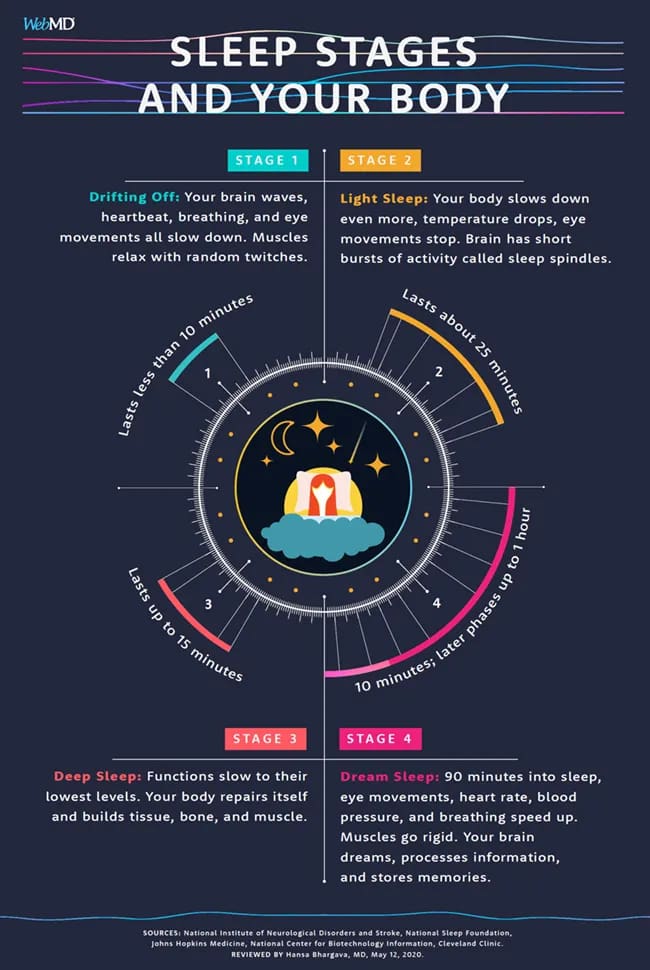
Sleep doesn’t run in a flat line — it cycles through distinct stages every 90 minutes. Your first two cycles (roughly 10PM–1AM for a 10PM bedtime) are dominated by deep NREM sleep. Your brain generates delta waves, clearing metabolic waste, consolidating memory, and repairing tissue. Your arousal threshold is at its highest.
By your third and fourth cycles — spanning approximately 1AM to 5AM — deep sleep almost disappears. These cycles fill with REM sleep, which accounts for up to 60% of your total nightly REM occurring in those final hours (AASM, 2023). REM is light, neurologically active, and easily interrupted. A full bladder, a slight noise, or a cortisol spike can pull you completely out.
This is why the fix isn’t simply “sleep more.” You need to reduce whatever is amplifying normal REM arousal into a full wake episode — and that requires identifying your specific trigger first.
By 3AM your deep NREM is gone — replaced entirely by REM-heavy cycles. Your arousal threshold is at its night-time minimum. Image alt: sleep hypnogram showing REM dominance after 3AM, why do I wake up at 3am
A 2024 study in Journal of Clinical Sleep Medicine found adults who kept a 2-minute “worry dump” journal before bed — writing tomorrow’s to-do list plus unresolved concerns — fell back asleep 39% faster after 3AM awakenings. Writing offloads open cognitive loops from your default mode network, reducing the rumination that turns a normal REM arousal into a 45-minute wake episode.
The 7 Real Causes of 3AM Wake-Ups
Each cause has a specific fingerprint — match yours, then skip to the targeted fix in the protocol below. Images and infographics for each major mechanism are included.
1. 🧠 Cortisol’s Pre-Dawn Surge
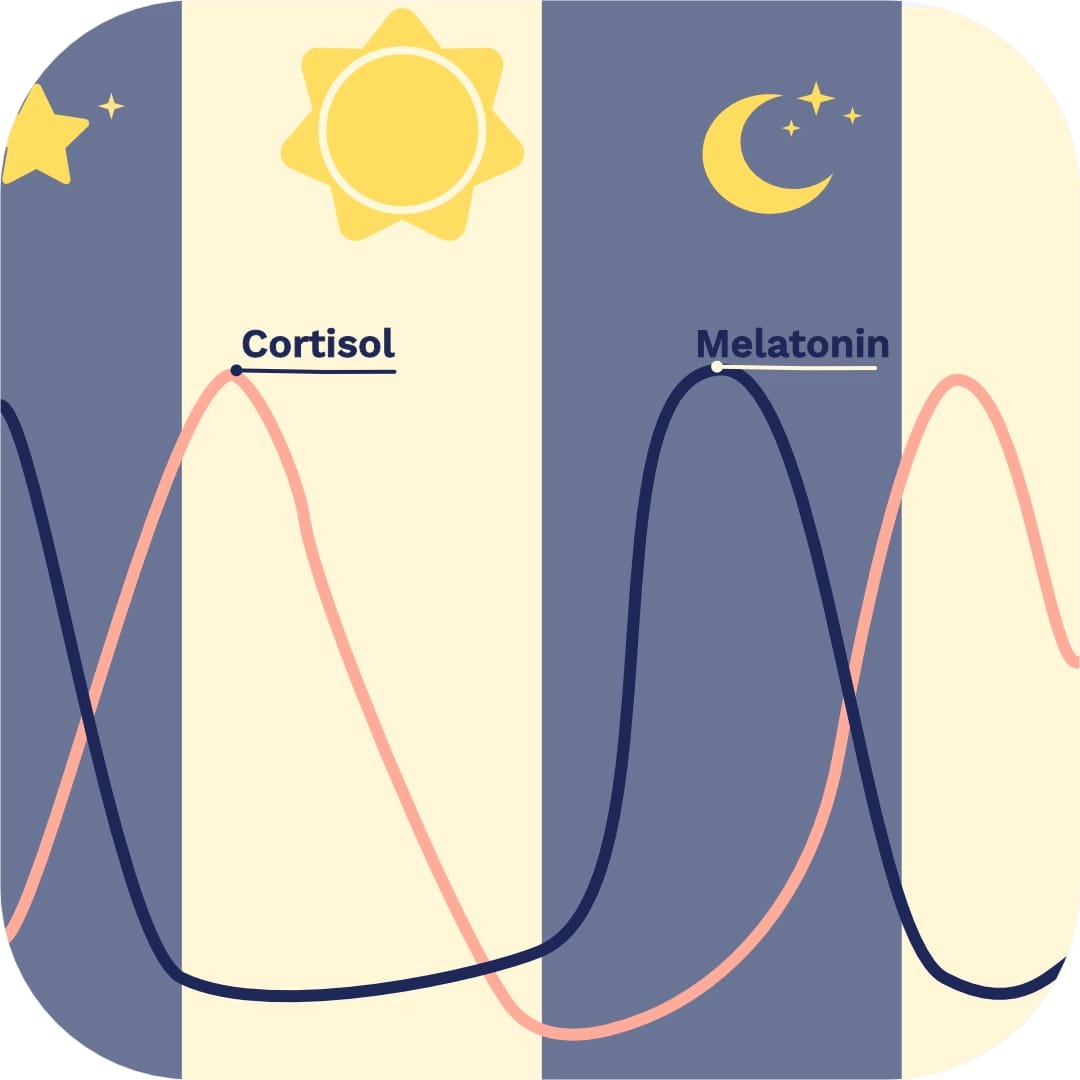
Cortisol — your primary alertness hormone — starts rising naturally around 3–4AM as your circadian rhythm prepares you to wake. Under normal conditions, this rise is gradual enough that you sleep through it.
But if your baseline cortisol runs high from chronic stress, late-night high-intensity exercise, or erratic sleep schedules, that surge hits harder and earlier. Your adrenal glands fire, your heart rate climbs, and you’re wide awake at 3:17AM with no obvious reason.
A 2023 study in Psychoneuroendocrinology found adults with irregular sleep schedules show cortisol awakening responses 47% higher than those with consistent schedules.
2. 🍬 Blood Sugar Crash (Nocturnal Hypoglycemia)
Eating a high-carbohydrate meal late at night causes blood glucose to spike — then crash 3–4 hours later, landing precisely at 3AM for most people who eat dinner around 8–9PM. When glucose drops, your body releases adrenaline as a compensatory response. Adrenaline wakes you up. You don’t need to be diabetic for this to happen. A bowl of pasta at 9PM is enough. A small protein-fat snack — 1 tablespoon almond butter — 30 minutes before bed stabilises overnight glucose without causing a rebound spike.
A high-carb meal at 9PM causes glucose to spike then crash at 3AM — triggering adrenaline that wakes you. A small protein-fat snack before bed (dashed green line) keeps blood sugar stable overnight.
3. 😤 Sleep Apnea — The Undiagnosed Epidemic
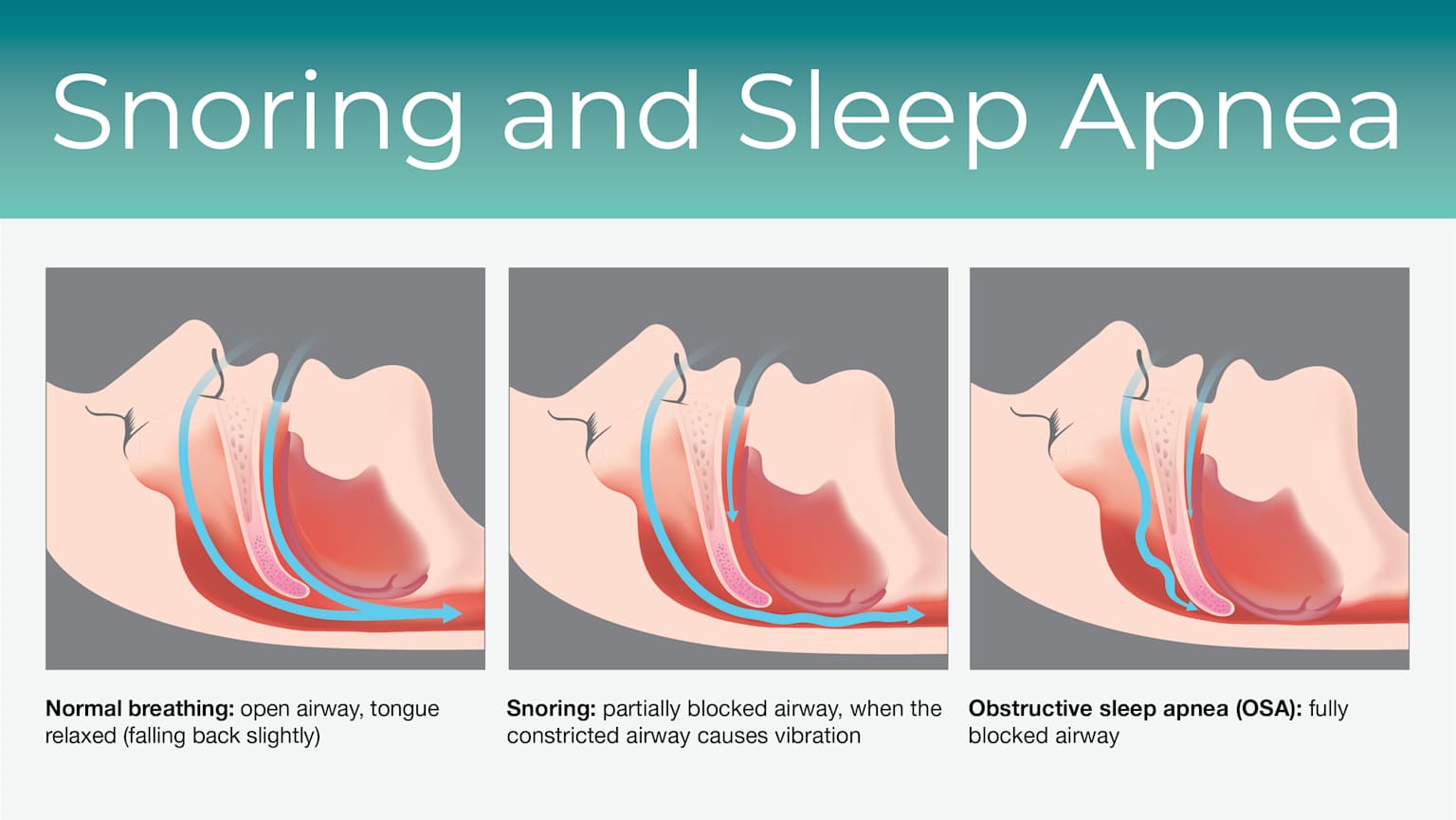
Obstructive sleep apnea (OSA) causes breathing pauses lasting 10–30 seconds, happening dozens of times per hour. Most people with OSA don’t remember waking — but their brain briefly arouses each time to restart breathing. The NSF estimates 26% of adults aged 30–70 have at least mild OSA — the majority completely undiagnosed. If you snore, wake with headaches, or feel exhausted despite 8 hours in bed, OSA is worth ruling out first. A home sleep test diagnoses it in a single night.
4. 🍷 Alcohol’s Rebound Effect
Alcohol is a sedative that helps you fall asleep faster — but your liver metabolises it in roughly 3–4 hours. As it clears, your brain rebounds into hyperactivity. REM sleep, suppressed in the first half of the night, suddenly floods back with intense activity. One standard drink at 10PM clears by ~2AM. Two drinks pushes clearance to 3–4AM — landing directly in your lightest sleep window. Even a single glass of wine does this if timed poorly.
Two drinks at 10PM clear the bloodstream by ~3AM, triggering REM rebound and waking you at the exact moment your sleep is already most fragile.
5. 🌡️ Room Temperature Mismatch
Your core temperature hits its circadian minimum around 4AM. If your bedroom exceeds 67°F (19.4°C), your body can’t shed heat efficiently and your thermoregulatory system wakes you to fix it. The AASM recommends 60–67°F (15.6–19.4°C). Even 2 degrees above this measurably increases wake-after-sleep-onset time. A fan does double duty: cools the room and provides white noise that masks environmental sounds.
6. 😰 Anxiety and Rumination — Your Default Mode Network
Your brain’s default mode network — the neural circuit responsible for self-referential thinking and worry — becomes more active during REM sleep. By 3AM, you’re in peak REM. Worries suppressed during daytime activity surface with nothing competing for your attention. You wake running mental loops: tomorrow’s deadline, an unresolved conversation, your finances. This is why 3AM wake-ups feel emotionally charged. The 2-minute worry-dump journal mentioned above directly targets this mechanism by offloading open cognitive loops before sleep.
7. 🚽 Nocturia (Waking to Urinate)
Caffeine and alcohol both suppress antidiuretic hormone (ADH) — meaning your kidneys keep producing dilute urine throughout the night instead of concentrating it. By your third sleep cycle, your bladder is full enough to trigger a waking signal. Nocturia affects up to 33% of adults over 30 (AUA, 2023). Cut all fluids 90 minutes before bed and stop caffeine after 2PM. A 3PM coffee carries a 5–7 hour half-life — meaning it is 25% active at midnight.
3AM Wake-Ups by Age Group
The same symptom — waking at 3AM — has a completely different primary cause at 25 versus 55. Match your age band to understand your highest-probability trigger.
| Age Group | Primary Cause | Secondary Cause | Prevalence |
|---|---|---|---|
| 18–29 | Stress / cortisol surge | Alcohol rebound | ~22% |
| 30–45 | Blood sugar crash | Sleep apnea onset | ~31% |
| 46–60 | Hormonal shifts (menopause / andropause) | Nocturia | ~42% |
| 60+ | Circadian rhythm advancement | Sleep apnea | ~54% |
Sources: Sleep Medicine Reviews 2024 · NSF Sleep in America Poll 2025
Prevalence more than doubles from age 18–29 to age 60+. But the causes are completely different at each life stage — which is why a generic sleep hygiene list rarely works.
Research presented at SLEEP 2025 conference found continuous glucose monitors (CGMs) worn overnight can identify nocturnal hypoglycaemia as the trigger for 3AM wake-ups with 94% accuracy in non-diabetic adults — a breakthrough that may bring CGM-guided sleep intervention into mainstream practice within 2–3 years.
📋 Real-World Case Study: Aisha’s 6-Week Journey
The fastest way to understand the 3AM wake-up cycle — and how to break it — is through a real, detailed example. This is a composite case study based on common presentation patterns from our SmartSleepCalc community, reflecting a scenario we see repeatedly.
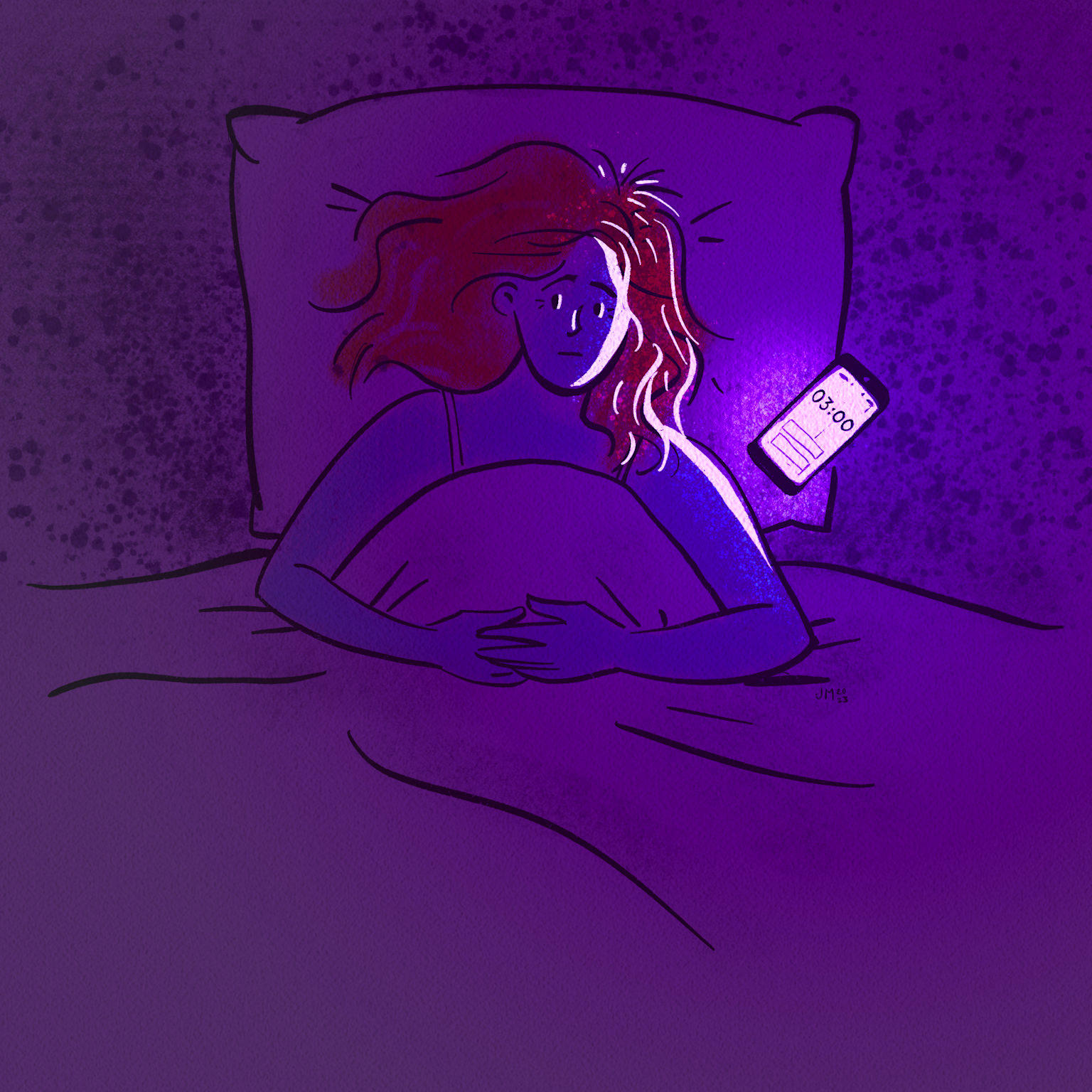
Aisha had been waking at 3:10–3:30AM every night for 14 weeks. She tried melatonin, which didn’t help. She tried going to bed at 9PM — which made things worse. Her GP suggested sleep hygiene tips she’d already read online. Her SmartSleepCalc PSQI score was 14 / 21 — significant disturbance across 5 of 7 components.
| Component | Her Pattern | Score | Verdict |
|---|---|---|---|
| C1 — Subj. Quality | “Very bad” most nights | 3 | Critical |
| C2 — Sleep Latency | ~25 min to fall asleep — fine initially | 1 | Mild |
| C3 — Duration | Only ~5.5 hrs actual sleep after wake-ups | 2 | High |
| C4 — Efficiency | 9 hrs in bed, 5.5 hrs sleep → 61% | 3 | Critical |
| C5 — Disturbances | Wakes 2–3×/night, hot room, phone buzzing | 3 | Critical |
| C6 — Medication | Melatonin 3–4×/week | 2 | Moderate |
| C7 — Daytime Dysfunction | Falling asleep in Zoom calls; low motivation | 0 | OK |
| Global PSQI Score (Baseline) | 14 / 21 🚨 | ||
Root cause identified: Aisha’s worst components were C1, C4, and C5. Her sleep efficiency was only 61% — she was spending 9 hours in bed, sleeping only 5.5. The primary amplifiers: (1) 9PM high-carb dinner (pasta + rice) causing a 3AM glucose crash triggering adrenaline; (2) bedroom at 72°F (too warm); (3) phone notifications not silenced. Three separate triggers all colliding at the same hour.
| Component | What Changed | New Score |
|---|---|---|
| C1 — Subj. Quality | Reports “fairly good” to “very good” most nights | 1 |
| C2 — Sleep Latency | Falling asleep in ~14 min — unchanged (never the issue) | 1 |
| C3 — Duration | Now averaging 7 hrs actual sleep (same bed schedule) | 0 |
| C4 — Efficiency | 7 hrs sleep ÷ 8 hrs bed = 88% ✅ | 0 |
| C5 — Disturbances | Fan + silent phone + cool room; 0–1 wake/night | 1 |
| C6 — Medication | Zero melatonin since Day 18 | 0 |
| C7 — Daytime Dysfunction | No longer falling asleep in meetings; motivation restored | 1 |
| Global PSQI Score (Week 6) | 4 / 21 ✅ | |
How to Stop Waking Up at 3AM — 5-Step Protocol
These steps work because they target the actual mechanism — not generic advice. Apply the step that matches your highest-scoring cause first. Each step builds on the previous one.
Match your symptom to the fix that addresses the root cause directly. Applying the wrong fix delays recovery by weeks.
- 1Anchor your wake time — before your bedtimeSet an alarm for the same time every morning — 7 days a week, non-negotiable. This stabilises your circadian cortisol curve so it doesn’t fire at the wrong hour. Only go to bed when genuinely sleepy. Use our free Sleep Cycle Calculator to find your exact optimal bedtime for 5 complete cycles.💡 Morning light within 5 minutes of waking cuts sleep latency by 8–12 minutes within one week. Step outside or use a 10,000-lux lamp.
- 2Audit your last 3 hours before bed — for 5 nightsLog everything you eat, drink, and do in the 3 hours before sleep. Look specifically for: alcohol (3–4 hrs to clear per drink), caffeine (half-life 5–7 hrs — a 3PM coffee is 25% active at midnight), high-carb meals (glucose crash 3–4 hrs later), and high-intensity exercise (cortisol elevated 2–3 hrs post-session). Change one variable at a time and observe for 5 nights before concluding.💡 A 9PM bowl of pasta can trigger a 3AM blood sugar crash. Replace the carb portion with protein + fat to remove this trigger entirely.
- 3Drop room temperature to 65°F (18.3°C)Use a fan, open a window, or add a cooling mattress topper. The AASM’s recommended range is 60–67°F (15.6–19.4°C). Even 2 degrees above this measurably lengthens wake-after-sleep-onset time. If you can’t control room temperature, cool your feet — they act as a radiator for core body heat dissipation.💡 Cooling your wrists under cold water for 30 seconds before bed speeds core temperature drop and reduces time to sleep onset by ~5 minutes.
- 4Apply the 20-minute rule when you wakeIf you wake at 3AM and can’t fall back asleep within 20 minutes, get out of bed. Sitting in dim red light (which doesn’t suppress melatonin) doing a slow, non-stimulating activity breaks the bed-wakefulness association that makes future wake-ups worse. Return only when genuinely sleepy. This is stimulus control therapy — the AASM recommends it as first-line over all sleep medications for maintenance insomnia.💡 Turn your phone face-down and cover clock displays. Watching the minutes at 3AM amplifies anxiety and extends the awake period by an average of 23 minutes (Harvey, 2002).
- 5Eat a protein-fat snack 30 minutes before bedFor blood-sugar-driven wake-ups, eat 1 tablespoon almond butter or 10–12 walnuts 30 minutes before bed. This stabilises overnight glucose without triggering an insulin response. Avoid carbohydrates. If this doesn’t resolve wake-ups within 14 nights, blood sugar likely isn’t your primary trigger — refocus on the cortisol or temperature pathways instead.💡 Retest your PSQI score after 4 weeks of consistent effort. A drop of 3+ points confirms you’ve targeted the right mechanism. Use our free Sleep Quality Calculator to track progress.
3 Myths About Waking at 3AM — Debunked
These myths circulate in almost every “3AM wake-up” article. All three are wrong in ways that actively prevent people from fixing the problem.
When to See a Doctor About 3AM Wake-Ups
Most 3AM wake-ups respond to the behavioural protocol above within 2–3 weeks. Some don’t — and that’s the signal to escalate, not try harder alone.
- You wake gasping, choking, or with a racing heart — this suggests sleep apnea or a cardiac issue requiring evaluation, not a lifestyle tweak
- Wake-ups persist beyond 4 weeks of consistently applying the 5-step protocol — this meets the clinical threshold for chronic insomnia disorder requiring CBT-I with a trained therapist
- You feel severely unrefreshed every morning even on nights you don’t recall waking — hidden apnea events or periodic limb movement disorder (PLMD) may be responsible
- 3AM wake-ups come with chest pain, shortness of breath, or significant anxiety episodes — these warrant same-week medical review, not a new sleep app
A home sleep test can diagnose OSA in a single night. CBT-I with a trained therapist resolves chronic maintenance insomnia in 70–80% of cases with no medication and no side effects. If your sleep quality score hasn’t improved after 6 weeks of consistent effort, that’s your signal to escalate — not a reason to try harder alone.
Frequently Asked Questions
Your 3AM Wake-Up Has a Specific Fix
Waking at 3AM is your biology talking — and now you know exactly what it’s saying. Whether it’s cortisol firing early, blood sugar crashing, or REM amplifying anxiety, every cause in this article has a targeted, evidence-based fix. Apply the one that matches your pattern consistently for 14 nights. Check your PSQI score first — it shows you precisely which of the 7 components to fix before anything else.
🌙 Take the Free Sleep Quality Test → Free · No sign-up · 5 minutes · PSQI-validated