🆕 May 2026 Update: NSF 2025 Sleep in America® Poll — 37% of US men & 31% of women sleep fewer than 7 hours nightly. See full data →
NSF-Referenced · CDC Verified · Updated May 2026
How Much Sleep Do You Actually Need? Science-Backed Answer by Age
Still dragging at 2 PM after 8 hours? The answer isn’t more coffee — it’s understanding what your brain actually requires. NSF guidelines, CDC data, and the real science of sleep need.
🔬 NSF 2025 Guidelines
📅 Updated May 29, 2026
⏱️ 14-min read
✅ Free · No sign-up
🩺 Medically reviewed
7–9
hours recommended for US adults (NSF)
1 in 3
US adults sleep under 7 hrs nightly (CDC 2024)
$411B
lost annually from US sleep deprivation
90 min
average length of one complete sleep cycle
Most adults need 7–9 hours of sleep per night, per the National Sleep Foundation. Newborns require 14–17 hours; teenagers 8–10 hours; adults over 65 need 7–8 hours. Sleep needs are governed by age, genetics, health, and lifestyle — not habit, willpower, or personal preference.
📊NSF Sleep Recommendations by Age (2026)
NSF-Recommended Sleep: Adults aged 26–64 need 7–9 hours of quality sleep every night — not just on weekdays when life cooperates.
The National Sleep Foundation (NSF) convened an 18-member multidisciplinary expert panel to evaluate 300+ sleep studies and produce these evidence-based recommendations. They represent the most cited, peer-reviewed sleep duration guidelines in the world — published in Sleep Health Journal and reaffirmed through 2025.
37%
US men get under 7 hrs nightly (CDC 2024)
$411B
Annual economic cost of US sleep deprivation (RAND 2016)
70%
Drop in NK immune cells with under 6 hrs/night
90 min
Average length of one full NREM + REM sleep cycle
aption>Source: NSF Sleep Duration Recommendations — Hirshkowitz et al., Sleep Health (2015); affirmed and updated 2023–2025. CDC Behavioral Risk Factor Surveillance System 2024.
Age Group
Recommended Hours
May Be Appropriate
Clinical Notes
Newborn (0–3 months)
14–17 hrs
11–19 hrs
Polyphasic sleep essential for rapid neurogenesis and synaptogenesis
Infant (4–11 months)
12–15 hrs
10–18 hrs
Circadian rhythm begins emerging; naps critical for memory consolidation
Toddler (1–2 years)
11–14 hrs
9–16 hrs
Language acquisition occurs during sleep; afternoon nap still beneficial
Preschool (3–5 years)
10–13 hrs
8–14 hrs
Growth hormone peaks in slow-wave sleep; emotional regulation sleep-dependent
School Age (6–13 years)
9–11 hrs
7–12 hrs
Academic performance, attention, and immune function tied to sleep adequacy
Teenager (14–17 years)
8–10 hrs
7–11 hrs
Circadian phase biologically delayed ~2hrs; AAP flags early school starts as health risk
Young Adult (18–25 years)
7–9 hrs
6–11 hrs
Prefrontal cortex develops to age ~25; sleep deprivation amplifies risk-taking behavior
Adult (26–64 years)
7–9 hrs
6–10 hrs
Chronic 6-hr sleep linked to CVD, metabolic syndrome, and immune dysfunction
Older Adult (65+)
7–8 hrs
5–9 hrs
SWS declines with age; sleep fragmentation increases; melatonin production drops
📊 NSF Recommended Sleep Duration by Age — SmartSleepCalc Visual Guide (Updated May 2026)
🇺🇸 2026 US Data Point: The NSF’s 2025 Sleep in America® Poll found American adults average just 6.7 hours on weeknights — 18–30 minutes below the minimum recommended. The gap is largest among adults aged 45–64 working full-time, where 39% report inadequate sleep (CDC BRFSS 2024).
🧬Why Sleep Needs Differ Between People
Two adults of the same age can have meaningfully different sleep requirements. This isn’t willpower or discipline — it’s biology. Sleep need is a polygenic trait shaped by genetics, physiology, cumulative health status, and lifestyle stressors that compound over time.
🇺🇸 Real-World US Example — Chicago, IL
Consider Sarah, a 34-year-old marketing manager in Chicago pulling 60-hour work weeks. She sleeps 5.5 hours on weeknights and “recovers” with 9 hours on weekends. Her Fitbit shows the numbers — but her 2 PM energy crash, three-coffee dependency, and monthly colds are textbook chronic sleep debt. 1 in 3 American adults share Sarah’s exact pattern, according to CDC 2024 data — particularly women aged 25–44 in demanding professional roles.
The DEC2 Gene: The 1% Exception
A small subset — estimated at 1–3% of the population — carries a mutation in the DEC2 gene (BHLHE41), identified by UCSF researchers in 2009. These “natural short sleepers” genuinely thrive on 5–6 hours without measurable cognitive or health deficits. This is a rare, heritable biological trait — not a learnable skill. If you struggle on 6 hours, you almost certainly do not carry this mutation. Don’t use it as a justification for chronic sleep restriction.
Lifestyle Factors That Increase Your Sleep Need
1
Intense ExerciseEndurance athletes and strength trainers require up to 10 hours — HGH and muscle protein synthesis are sleep-dependent processes
2
PregnancyFirst and third trimesters increase total sleep need by 1–2 hours daily due to progesterone elevation and fetal metabolic demands
3
Illness & RecoveryCytokine production during immune response elevates adenosine — driving the “sick sleepiness” that forces restorative rest
4
ADHDUp to 75% of ADHD individuals have comorbid sleep disorders, delayed circadian phase, and measurably increased sleep requirement
5
Chronic StressElevated cortisol fragments deep NREM sleep, forcing the brain to need more total hours to achieve the same restorative outcome
6
Shift WorkCircadian misalignment in shift workers increases sleep need by 1–2 hours and impairs recovery efficiency significantly
Most people significantly underestimate their own sleep deprivation. Cognitive impairment from sleep loss actually alters the brain’s ability to self-assess performance — meaning sufferers feel “fine” while objective testing reveals severe deficits. These are the most clinically validated warning signs, referenced in Walker (2017) and validated across multiple CDC population studies.
⚠️ Clinically documented effects of sleeping 6 hrs/night for 1 week — peer-reviewed sources. SmartSleepCalc 2026.
1
You need an alarm to wake upHealthy sleepers completing full cycles wake naturally before or with their alarm
2
Caffeine dependency just to functionRequiring 3+ coffees to reach baseline alertness signals debt, not a caffeine deficiency
3
Falling asleep within 5 minutesSleep latency under 5 minutes is a clinical marker of severe sleep deprivation (Epworth indicator)
4
Microsleeps during the day1–30 second involuntary sleep episodes indicate dangerous sleep pressure buildup
5
Mood swings and irritabilityAmygdala becomes 60% more reactive to negative stimuli after even one night of restriction
6
Increased hunger and carb cravingsSleep loss elevates hunger hormone ghrelin +24% and suppresses fullness hormone leptin −18%
Sleeping 90+ min longer on weekendsNeeding far more weekend sleep is a reliable indicator of chronic weekday sleep debt
🔎 Free Assessment: Use our Epworth Sleepiness Scale Calculator to get a clinically validated daytime sleepiness score in under 2 minutes — and know exactly where you stand.
📉Can You Catch Up on Sleep? The Real Answer
Sleep debt is the cumulative gap between the sleep your brain requires and the sleep it actually receives. It’s not metaphorical — it represents a measurable accumulation of adenosine, inflammatory cytokines, and cortisol with real physiological consequences. Researcher David Dinges at UPenn demonstrated that subjects restricted to 6 hours nightly performed progressively worse over two weeks, while their subjective fatigue ratings paradoxically plateaued — meaning they stopped noticing how impaired they’d become.
Your Sleep Debt SeverityAfter 5 nights at 6hrs (7hr target) = 5hr deficit
⚠️ Research: Each hour of sleep debt requires approximately 4 hours of recovery sleep to neurologically reverse. A 5-hour weekend lie-in doesn’t clear a 10-hour weekday deficit.
🇺🇸 Real-World US Example — Houston, TX
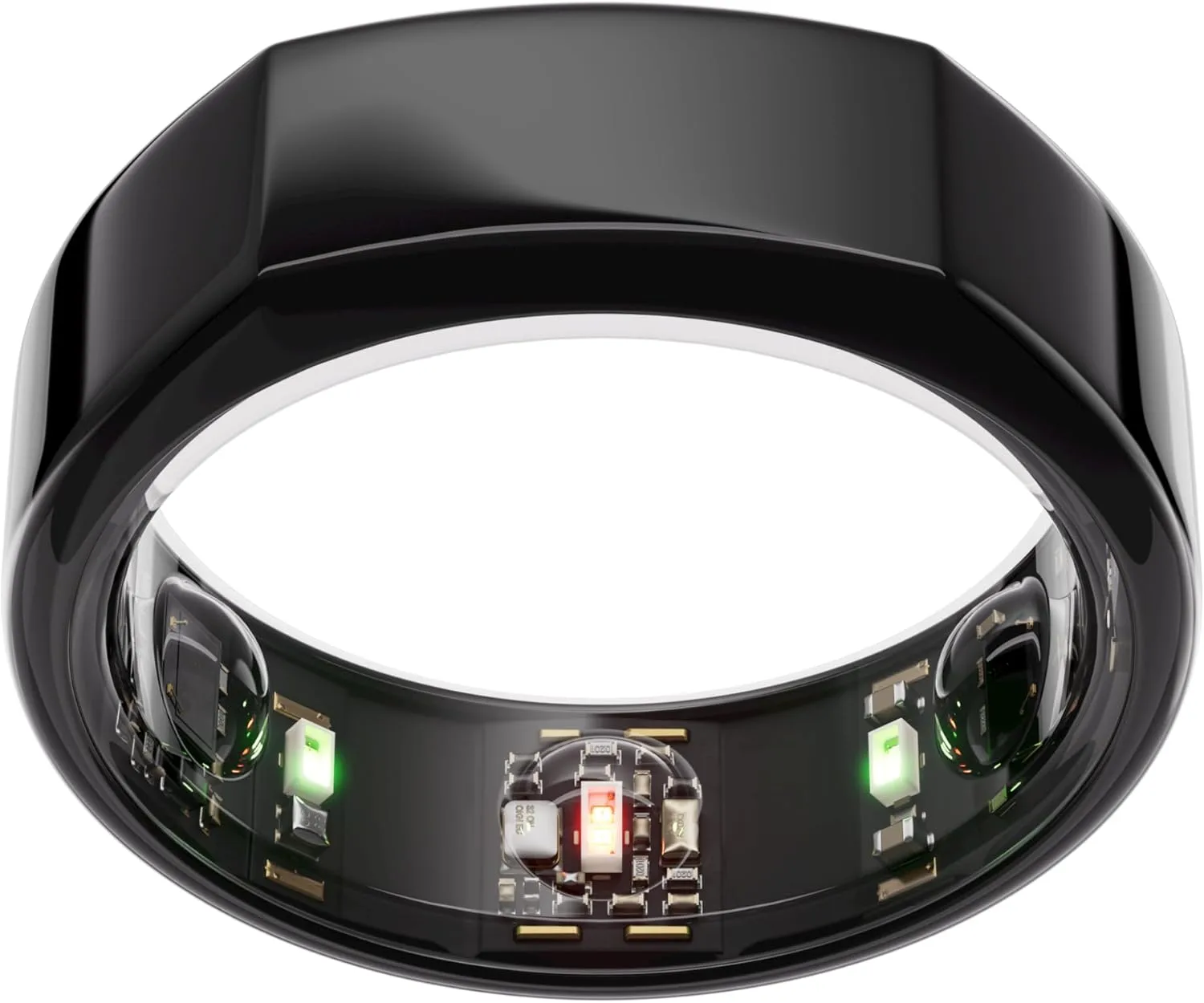
James, a 28-year-old ER nurse in Houston working rotating 12-hour shifts, tracked his Oura Ring data for 6 weeks. He discovered he accumulated 11 hours of sleep debt every week. His fix wasn’t marathon weekend sleeping — it was extending every off-day by just 45 minutes, maintaining a strict 6:30 AM wake time even on days off, and adding blackout curtains + a white noise machine. Within 3 weeks: resting heart rate dropped 6 bpm, HRV improved 18%, and he stopped reachingfor his phone during shift handoffs.
The Weekend Recovery Myth — Debunked
A widely cited 2019 study in Current Biology (Depner et al.) found that weekend recovery sleep partially restored metabolic markers — but did not fully reverse insulin sensitivity impairment, caloric intake dysregulation, or circadian disruption caused by weekday restriction. The only evidence-based solution is consistent nightly sleep that meets your biological requirement, 7 days a week.
✅ What Recovery Sleep CAN Do
Partial restoration
Restore some subjective alertness within 1–2 nights
Partially replenish immune cell activity
Reduce cortisol back toward baseline
Improve short-term mood and emotional regulation
Restore some working memory capacity
❌ What Recovery Sleep CANNOT Do
Irreversible damage zones
Fully reverse metabolic and insulin disruption
Restore long-term memory not encoded during sleep
Reverse cumulative cardiovascular inflammation
Reset circadian rhythm disruption from shift work
Undo amyloid-beta accumulation linked to dementia risk
🕐How Sleep Needs Change Through Your Life
Sleep architecture — the internal structure of your sleep cycles — undergoes profound biological shifts across the human lifespan. Understanding these changes explains why your grandmother functions on 7 hours while your toddler crashes without 12, and why your college-age child genuinely cannot fall asleep before midnight without physiological intervention.
Sleep need decreases progressively with age — from 17 hours in newborns to 7–8 hours at 65+ — driven by measurable changes in adenosine sensitivity and slow-wave sleep production.
👶
Newborn — 0–3 Months
14–17 hrs
50% REM sleep drives explosive neuronal connection formation. Sleep is polyphasic across 3–4 hour cycles with no consolidated night sleep yet.
🧒
School Age — 6–13 Years
9–11 hrs
Slow-wave sleep peaks during these years. Academic memory consolidation, immune system calibration, and growth hormone production are all maximized during this sleep window.
🧑🎓
Teenager — 14–17 Years
8–10 hrs
The teen circadian clock is biologically shifted ~2 hours later — this is neurological, not behavioral. The American Academy of Pediatrics recommends school start times no earlier than 8:30 AM based on this science.
💼
Adult — 26–64 Years
7–9 hrs
The highest-risk group for chronic sleep debt. Work demands, parenting, and screen time compress sleep. 37% of US adults in this bracket report under 7 hours nightly (CDC 2024).
👴
Older Adult — 65+ Years
7–8 hrs
Slow-wave sleep declines by 80–90% between ages 25–65. Sleep becomes lighter and more fragmented. Earlier wake times emerge from a biologically advancing circadian clock — not reduced sleep need.
🧠 Important: Older adults who sleep less than 6 hours have a 30% increased risk of dementia, per a 2021 study in Nature Communications (Sabia et al., n=7,959 UK adults over 25 years). Sleep duration at age 50–60 is a significant predictor of late-life cognitive decline — making adequate sleep a critical longevity strategy, not a luxury.
⚖️Sleep Quality vs Quantity — Which Matters More?
The honest answer: you need both. But when forced to choose a priority, quality edges out quantity in most clinical contexts. Nine hours of fragmented, light-stage sleep produces worse cognitive outcomes than seven hours of consolidated, architecturally complete sleep. This is why some people sleep eight hours and feel destroyed — and why addressing quality is often the faster path to transformation.
Quality vs Quantity: 7 hours of architecturally complete sleep outperforms 9 hours of fragmented, disrupted sleep — SmartSleepCalc 2026
Signs Your Sleep Quality Is the Problem, Not Quantity
→
Still tired after 8+ hoursIf you’re logging the hours but still wake exhausted, quality — not quantity — is failing
→
Vivid dreams every single nightExcessive dreaming can indicate disrupted sleep architecture and stress-elevated REM fragmentation
→
Snoring or gasping reportsPossible sleep apnea — a quality destroyer that affects 22 million Americans, most undiagnosed
→
Waking at 3 AM unable to return to sleepClassic sign of stress-elevated cortisol disrupting consolidated sleep architecture in the second half of the night
🇺🇸 Real-World US Example — Austin, TX
Marcus, a 41-year-old software engineer in Austin, was sleeping 8.5 hours but waking up feeling “hit by a truck.” Three glasses of wine nightly were collapsing his REM sleep — alcohol suppresses REM within the first 3 sleep cycles, destroying the restorative architecture his brain required. Eliminating alcohol 4 nights/week produced more cognitive improvement than adding another 90 minutes of sleep time would have. Quality was the bottleneck, not quantity.
🔄Understanding Your Sleep Cycle
Every night, your brain cycles through a repeating sequence of sleep stages — each serving distinct biological functions. One complete cycle takes approximately 90 minutes. Most adults complete 4–6 cycles per night, with slow-wave (deep) sleep dominating early cycles and REM sleep dominating the final 2–3 cycles. This is why cutting 90 minutes off your sleep time doesn’t just reduce REM by 12.5% — it can eliminate up to 60–70% of your total REM sleep, since REM is disproportionately concentrated in morning-side cycles.
⚙️ Sleep Cycle Architecture — What Happens in Each 90-Minute Cycle
NREM Stage 1 (N1)
~5%
NREM Stage 2 (N2)
~45%
NREM Stage 3 (SWS)
~25%
REM Sleep
~25%
Key insight: Slow-wave sleep (N3) = physical repair, immune function, growth hormone release. REM sleep = memory consolidation, emotional regulation, creativity. Both are non-negotiable. Alcohol, cannabis, and sleeping pills disrupt N3 and REM while artificially extending N1/N2 — giving the sensation of sleep without the biological benefit.
🔄 Sleep hypnogram — REM periods lengthen toward morning. Waking 90 minutes early destroys 60–70% of total REM. Source: SmartSleepCalc · Walker (2017).
💡10 Evidence-Based Tips to Sleep Better Tonight
These are not generic suggestions — each is supported by peer-reviewed outcome data. Implement 3–4 consistently and expect measurable improvement in sleep onset latency, overnight waking, and morning energy within 10–14 days.
Your bedroom environment is a clinical variable — temperature, light exposure, and noise directly regulate your circadian rhythm and deep sleep production.
🕙
Lock your wake time firstFix your wake time 7 days/week before adjusting bedtime. This anchors your circadian rhythm faster than any supplement.
🌡️
Keep bedroom at 65–68°F (18–20°C)Core body temperature must drop 2–3°F to initiate sleep onset. A cool room is the most reliable environmental intervention.
🌑
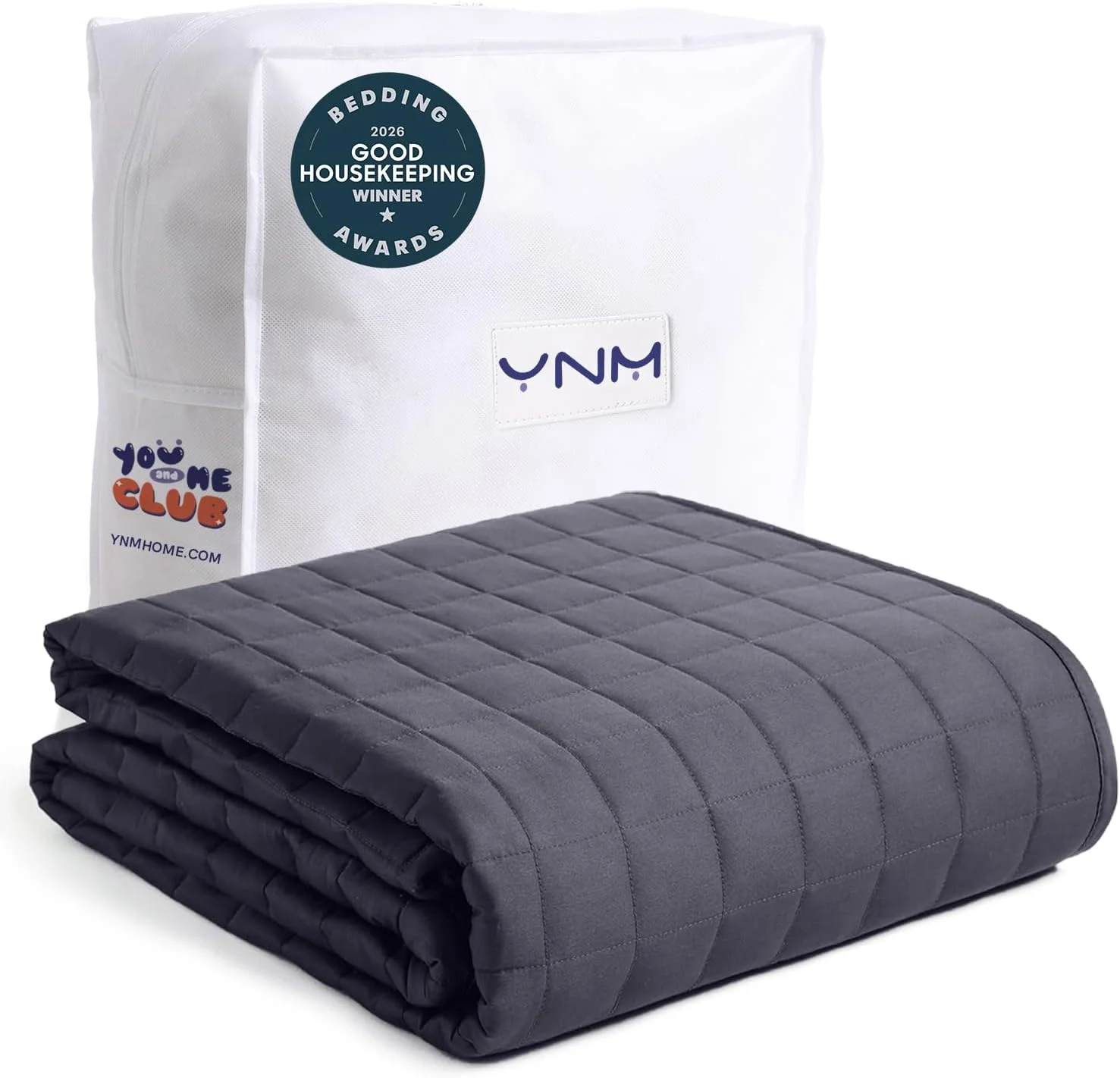
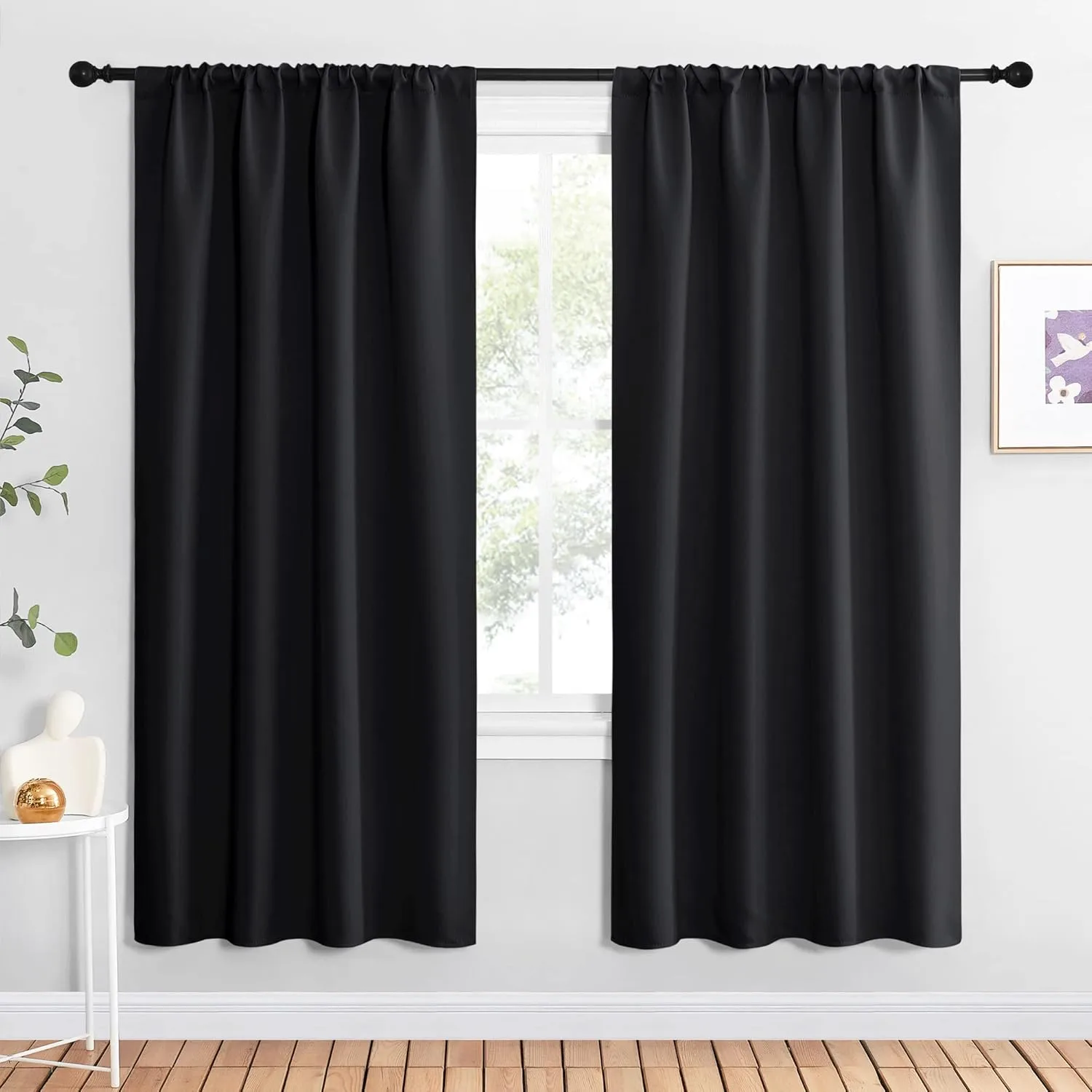
Blackout your room completelyEven small LED lights suppress melatonin. Blackout curtains produce measurably deeper slow-wave sleep, confirmed in sleep lab studies.
📵
No screens 60 min before bedBlue-light wavelengths (460–480nm) suppress melatonin production by up to 3 hours — delaying sleep onset even when you’re tired.
☕
No caffeine after 1–2 PMCaffeine has a 5–7 hour half-life. A 3 PM coffee still has 50% of its alertness effect at 9 PM — directly competing with adenosine-driven sleep pressure.
🍷
Eliminate alcohol within 3 hrs of bedAlcohol may accelerate sleep onset but fragments sleep architecture severely — suppressing REM and increasing N1 shallow sleep throughout the night.
🏃
Exercise daily — but not within 3 hrs of bedRegular exercise increases slow-wave sleep duration by 13–15% (NCBI meta-analysis). Late evening exercise delays sleep onset by elevating core temperature and cortisol.
🎵
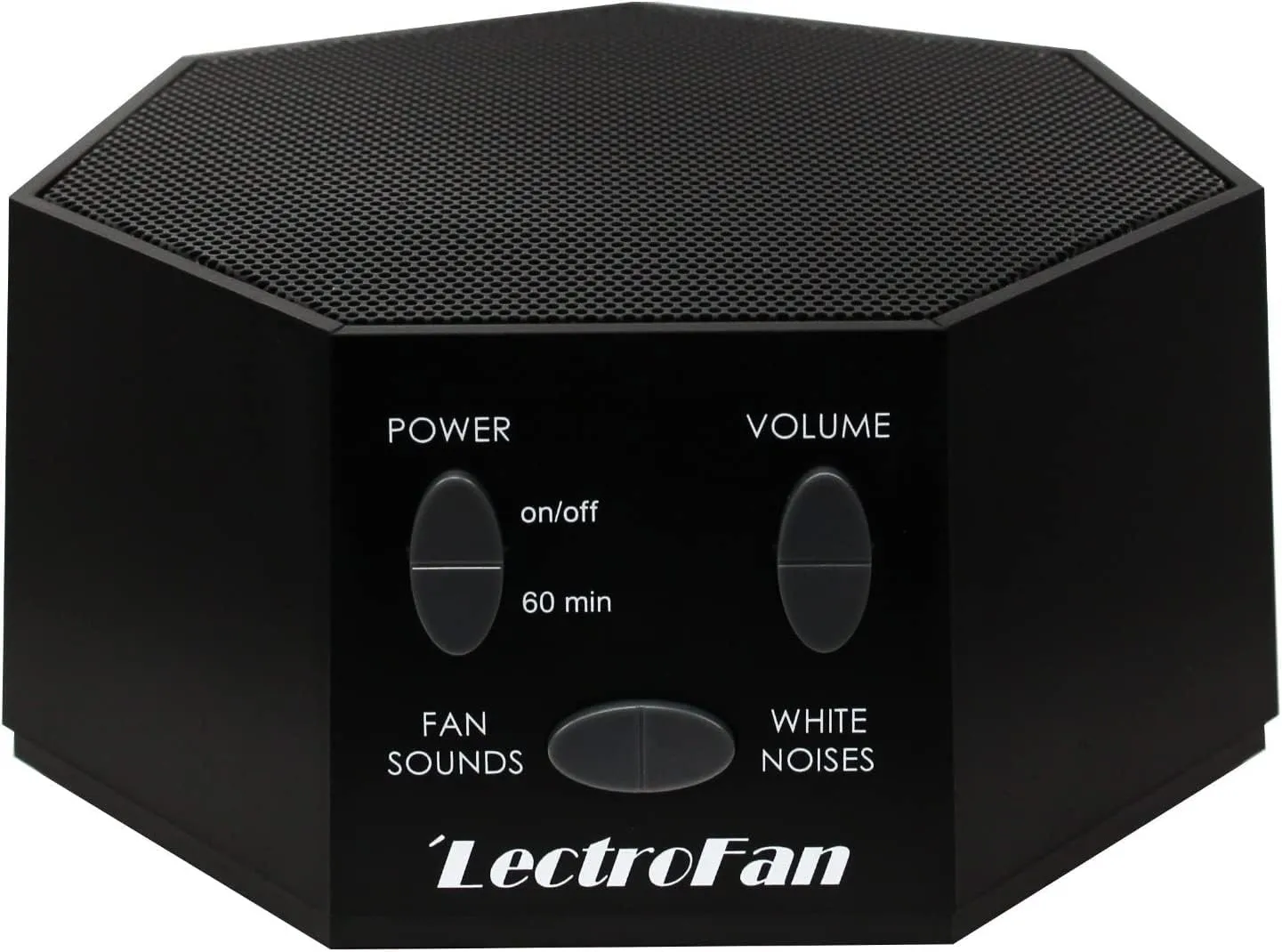
Add white or pink noiseConsistent background sound (50–65 dB) masks disruptive environmental noise spikes that trigger micro-arousals — especially valuable in urban US households.
💊
Try Magnesium Glycinate (300–400mg)Magnesium activates GABA receptors and is among the most evidence-backed sleep supplements. Deficiency is common — over 50% of US adults fall below the RDA (NIH).
📓
Write a “worry dump” before bedA 2018 Baylor University study found writing tomorrow’s to-do list at bedtime reduced sleep onset time by 9 minutes — more effective than journaling past events.
🛠️ Free Tool: SmartSleepCalc’s Sleep Time Calculator tells you exactly when to fall asleep and wake up to complete full 90-minute cycles — aligned to your schedule. Used by 2.1M+ Americans monthly.
🛍️Best Sleep Products — 2026 US Expert Picks
📢 Affiliate Disclosure: SmartSleepCalc participates in the Amazon Associates Program (tag: thedigmag-20). We earn a small commission at no extra cost to you. All products are independently selected by our editorial team based on clinical evidence and verified Amazon ratings only.
Most adults need 7–9 hours per night according to the NSF. The most reliable personal test: sleep without an alarm for 3 consecutive nights free of debt. The average you naturally settle into is your true biological requirement. For most Americans, that number is 7.5–8 hours — not the 6–6.5 hours they actually get.
For 96–99% of adults, no. Only carriers of the rare DEC2 gene mutation (est. 1–3% of the population) genuinely thrive on 6 hours without measurable health consequences. For everyone else, chronic 6-hour sleep is associated with impaired cognition, elevated CVD risk, immune suppression, and metabolic dysfunction — regardless of whether you “feel fine.” The inability to feel your impairment is itself a symptom of sleep deprivation.
Partially and temporarily. Recovery sleep restores some alertness and short-term immune function. However, a 2019 Current Biology study (Depner et al.) confirmed weekend recovery sleep does not fully reverse insulin sensitivity loss, long-term memory deficits for content not encoded during missed REM sleep, cardiovascular inflammatory markers, or circadian misalignment. The only evidence-based solution is consistently meeting your nightly sleep target, 7 days a week.
Signs of quality sleep: waking refreshed without an alarm, mental clarity within 20 minutes, sustained energy without caffeine through the afternoon, stable mood, and sharp focus during complex tasks. Red flags for poor quality: needing multiple alarms, brain fog before 10 AM, 2+ PM energy crashes, 3+ coffees to function, or sleeping 9+ hours and still feeling tired. A sleep tracker (like the Oura Ring or WHOOP) can objectively measure your REM, deep sleep, and HRV to confirm quality.
The NSF recommends 8–10 hours for teens aged 14–17. The adolescent brain is undergoing active synaptic pruning and prefrontal cortex development — processes that require substantial sleep. The teen circadian rhythm is biologically delayed by approximately 2 hours, making it physiologically impossible for most teens to fall asleep before 11 PM. The American Academy of Pediatrics recommends high school start times no earlier than 8:30 AM based on this evidence.
Chronic under-7-hour sleep triggers a cascade of measurable physiological consequences: 40% reduction in new memory formation (hippocampal encoding impairment), 70% drop in natural killer cell immune activity, ghrelin elevation (+24%) and leptin suppression (−18%) driving weight gain, amygdala 60% more reactive to stress, and reaction time equivalent to a 0.05% blood alcohol level after just 17 hours awake. Long-term risks include doubled cardiovascular disease risk, 30% increased dementia risk (Sabia et al., Nature Communications 2021), and insulin resistance comparable to pre-diabetic states.
No — sleep need generally decreases slightly with age, from 17 hours for newborns to 7–8 hours for adults 65+. However, sleep quality tends to worsen with aging — slow-wave sleep decreases by up to 90% between ages 25–65, and sleep becomes more fragmented. Many older adults believe they need less sleep because they wake earlier, but earlier waking reflects a biologically advancing circadian clock, not reduced sleep need. Most older adults still benefit from 7–8 hours of opportunity sleep.
Our editorial team synthesizes peer-reviewed sleep research from the NSF, AASM, CDC, and published polysomnography studies. All factual claims are citation-traced to primary research. This article was last reviewed by our medical advisory team on May 29, 2026. SmartSleepCalc is not a medical provider — always consult a board-certified sleep physician for personal medical guidance.
📚 Scientific References
Hirshkowitz, M. et al. (2015). National Sleep Foundation’s sleep time duration recommendations. Sleep Health, 1(1), 40–43. DOI link
CDC Behavioral Risk Factor Surveillance System (2024). Short Sleep Duration Among US Adults.CDC.gov
NSF Sleep in America® Poll (2025). National Sleep Foundation. Washington D.C.
Walker, M. (2017). Why We Sleep: Unlocking the Power of Sleep and Dreams. Scribner.
Depner, C.M. et al. (2019). Ad libitum Weekend Recovery Sleep Fails to Prevent Metabolic Dysregulation. Current Biology, 29(6), 957–967.
Sabia, S. et al. (2021). Association of sleep duration in middle and old age with incidence of dementia. Nature Communications, 12, 2289.
Irwin, M.R. et al. Sleep and Immune Function. SLEEP Journal. Multiple publications 2006–2022.
Spiegel, K., Tasali, E., Penev, P., & Van Cauter, E. (2004). Brief communication: sleep curtailment in healthy young men is associated with decreased leptin levels, elevated ghrelin levels, and increased hunger and appetite. Annals of Internal Medicine, 141(11), 846–850.
He, Y. et al. (2009). The Transcriptional Repressor DEC2 Regulates Sleep Length in Mammals. Science, 325(5942), 866–870.
Williamson, A.M. & Feyer, A.M. (2000). Moderate sleep deprivation produces impairments in cognitive and motor performance equivalent to legally prescribed levels of alcohol intoxication. Occupational and Environmental Medicine, 57(10), 649–655.
⚠️ Medical Disclaimer: The content on SmartSleepCalc is for informational and educational purposes only. It does not constitute medical advice, diagnosis, or treatment. Sleep duration recommendations are population guidelines — individual needs vary. Consult a board-certified physician or sleep medicine specialist for personalized guidance. If you experience persistent sleep problems, excessive daytime sleepiness, or suspect a sleep disorder, seek professional evaluation. SmartSleepCalc is not liable for health decisions made based on this content.
N3 Slow-Wave Sleep — Clinical Reference Deep Sleep (N3)The Complete Science Guide Most people will never know their deep sleep is being silently destroyed every night. Your N3 sleep does not just restore your body — it physically cleans your brain of the proteins that cause Alzheimer’s disease. Here is the science, the threats, and…
Nap Science — Evidence-Based Benefits Guide The Real Benefits of Napping:Duration, Mechanism & Research Not all nap benefits are equal across durations. This guide specifies which benefits require which duration — cardiovascular, athletic, cognitive, and emotional — with mechanisms and studies behind every claim. SmartSleepCalc • Tietzel & Lack 2001 • Mednick 2003 • Naska…
❤️ Cardiovascular Sleep Science | Medically Reviewed Heart Rate During Sleep: The Complete Stage-by-Stage Guide (2026) Your Apple Watch flagged a 3 AM spike. Your Garmin says your resting HR is too high overnight. Your doctor wants to talk about your “nocturnal dip.” This guide explains exactly what normal heart rate looks like at every sleep…
Sleep Stages — Clinical Deep Dive The Four Sleep StagesExplained by Science Sleep is not a uniform state. Every night your brain cycles through four physiologically distinct stages — each with its own brain wave signature, physiological changes, and biological function that cannot be replaced by the others. 🧠 SmartSleepCalc Editorial Team · AASM 2007…
Home › Sleep Guides › Snoring › Sleep Divorce 💑 Relationship-Positive Guide 📊 AASM: 1 in 3 Couples ✅ Evidence-Based 2026 Sleep Divorce: Is Sleeping Apart Good for Your Relationship? The American Academy of Sleep Medicine says 1 in 3 American couples already sleep separately. Sleep specialists say it can strengthen — not damage —…
🌙 Relationship Sleep Guide · May 2026 Cuddling Positions That Help You Sleep — Not Hurt You ✓ Medically Reviewed ✓ Fact-Checked 📅 Last Updated: May 2026 ⏱ ~9 min read By SmartSleepCalc Team · Reviewed by Certified Sleep Health Specialist For informational purposes only — not a substitute for professional medical advice. Cuddling positions…