REM Sleep Cycle Calculator
Find your perfect cycle-aligned bedtime or wake-up time — and wake up refreshed every morning. Based on 90-minute sleep cycle science, NSF guidelines, and the 2026 Stanford meta-analysis on 14,800 adults.
One sleep cycle = 90 minutes. For a 7 AM wake-up, your ideal bedtimes are 9:45 PM (6 cycles), 11:15 PM (5 cycles), or 12:45 AM (4 cycles) — accounting for ~15 min to fall asleep. Going from 6.5h to 7.5h sleep adds only +14% more total sleep but +28% more REM. Time your sleep, not just your hours. Source: Carskadon & Dement (2005); Stanford Sleep Research Centre (2026).
This calculator and article were updated to incorporate the 2026 Stanford meta-analysis (14,800 adults, 38% REM reduction below 6.5h), PMC12941685 (February 2026 — 14.1% decision accuracy improvement from optimised sleep), PMC12767991 (October 2025 — social jet lag and 5-year cognitive decline), and the 2025 NIH screen blue light review (37-minute average sleep onset delay). Calculator logic, cycle timing, and age-specific REM targets are unchanged from the validated NSF baseline.
🌙 REM Sleep Cycle Calculator
4 tools in one — bedtime planner, wake-up calculator, nap optimizer & sleep debt tracker
How Real Americans Fixed Their Sleep Cycles
These three profiles represent the most common American sleep patterns from the 2025 NSF Sleep in America Poll — and how cycle-based timing transformed their mornings.

Marcus codes until 1 AM, scrolling GitHub and Reddit before bed. With a 7 AM standup he gets 5.5 hours — but his 20-min screen-induced sleep latency means only 5h 10min actual sleep: 3.4 cycles, always waking mid-cycle 4. He reports “brain fog” every morning despite 2 coffees.

Jennifer works 3 rotating night shifts weekly. On off days she tries to “catch up” with 10-hour sleeps, creating severe social jet lag. Her circadian phase shifts 4–6 hours week to week — her REM propensity window misaligns completely with her available sleep window during night shifts.

Robert has age-advanced sleep phase — biologically normal for adults over 60. His Phoenix bedroom reaches 74°F at night, suppressing REM in cycles 4–5. Despite completing nearly 5 cycles, late-cycle REM is cut short by the warm environment. Reports 3 AM awakenings he attributes to age.
3 Things Every American Gets Wrong About Sleep Cycles
🌊 How Your Brain Cycles Through Sleep Stages Over 8 Hours
Carskadon & Dement (2005) · AASM Scoring Manual📉 How REM Sleep Changes Across Your Lifespan
Floyd et al. (2007) · Ohayon et al. (2004) · SLEEP Journal⚡ Why Losing 90 Minutes of Sleep Cuts Your REM by 38%
Carskadon & Dement (2011) · Stanford Sleep Research Centre (2026)5 Hours vs 7.5 Hours vs 9 Hours Sleep — What You Actually Get
| Metric | 5 Hours 😴 | 6.5 Hours ⚠️ | 7.5 Hours ⭐ | 9 Hours 💪 |
|---|---|---|---|---|
| Complete Cycles | 3.3 cycles | 4.3 cycles | 5.0 cycles ✓ | 6.0 cycles ✓ |
| Est. REM Sleep | ~50 min | ~90 min | ~115 min ✓ | ~140 min ✓ |
| REM % of Total | ~17% | ~23% | ~25% ✓ | ~26% ✓ |
| Morning Grogginess | Severe (mid-N3) | Moderate | Minimal ✓ | Minimal ✓ |
| Cognitive Performance | ↓ 30–40% | ↓ 15–20% | Baseline ✓ | +14% ✓ |
| Emotional Regulation | Poor | Reduced | Normal ✓ | Optimal ✓ |
| Immune Function | ↓ Significantly | ↓ Moderately | Normal ✓ | Enhanced ✓ |
| Who It Suits | No one long-term | Short-term only | Most adults ✓ | Recovery / athletes |
What 2025–2026 Sleep Science Says About Sleep Cycles
Six landmark findings from the past 18 months — with direct implications for how you use this calculator.
38% REM Reduction Below 6.5 Hours Confirmed at Scale
The most comprehensive meta-analysis to date confirmed adults averaging under 6.5 hours show a 38% REM reduction vs. 8-hour sleepers — with emotional dysregulation scores rising proportionally. Effect persists even when total sleep feels “sufficient.”
Glymphatic Brain Waste Clearance Peaks in Late-Cycle Sleep
Johns Hopkins confirmed amyloid-beta and tau protein clearance — linked to dementia prevention — peaks during late-cycle N3 and REM. Habitual short sleepers show measurably higher amyloid burden at 10-year follow-up, now classified as a modifiable Alzheimer’s risk factor.
14.1% Decision Accuracy Boost From 3 Nights of Optimised Sleep
Strategic sleep extension — specifically protecting late-cycle REM by extending total sleep 45–60 minutes — improved decision-making accuracy by 14.1% within 3 nights. The mechanism: REM consolidates emotional-factual memory integration critical for complex decisions.
Screen Blue Light Adds 37 Min to Sleep Onset — Removes a Partial REM Cycle
This 2025 NIH review of 18 studies found screen-based melatonin suppression adds an average 37 minutes to sleep onset. This delay functionally removes one partial REM cycle nightly — even for people sleeping “8 hours.”
Social Jet Lag Independently Predicts Cognitive Decline at 5-Year Follow-Up
Irregular sleep timing — shifting wake times by 2+ hours between workdays and weekends — independently predicted cognitive decline across 5-year follow-up. Mechanism: disrupted circadian anchoring destabilises REM cycle timing above and beyond total sleep duration.
34.8% of US Adults Sleep Under 7 Hours — Highest in 3 States
CDC 2025 data found 34.8% of US adults chronically under-sleep. Rates highest in Hawaii (46.2%), Kentucky (44.7%), and Alabama (43.7%). The Sleep Debt Calculator is calibrated to the NSF 7–9 hour target showing precise REM loss for sub-7-hour patterns.
6 Sleep Myths That Cost Americans REM Sleep Every Night
8 Science-Backed Ways to Get More REM Sleep Tonight
Ranked by impact. Each tip is linked to a peer-reviewed source from 2005–2026.
6 Sleep Tools Sleep Scientists Actually Use
Each product below directly addresses a specific REM sleep disruptor identified in this article. Affiliate links support free access to SmartSleepCalc.
 🏆 Best Seller
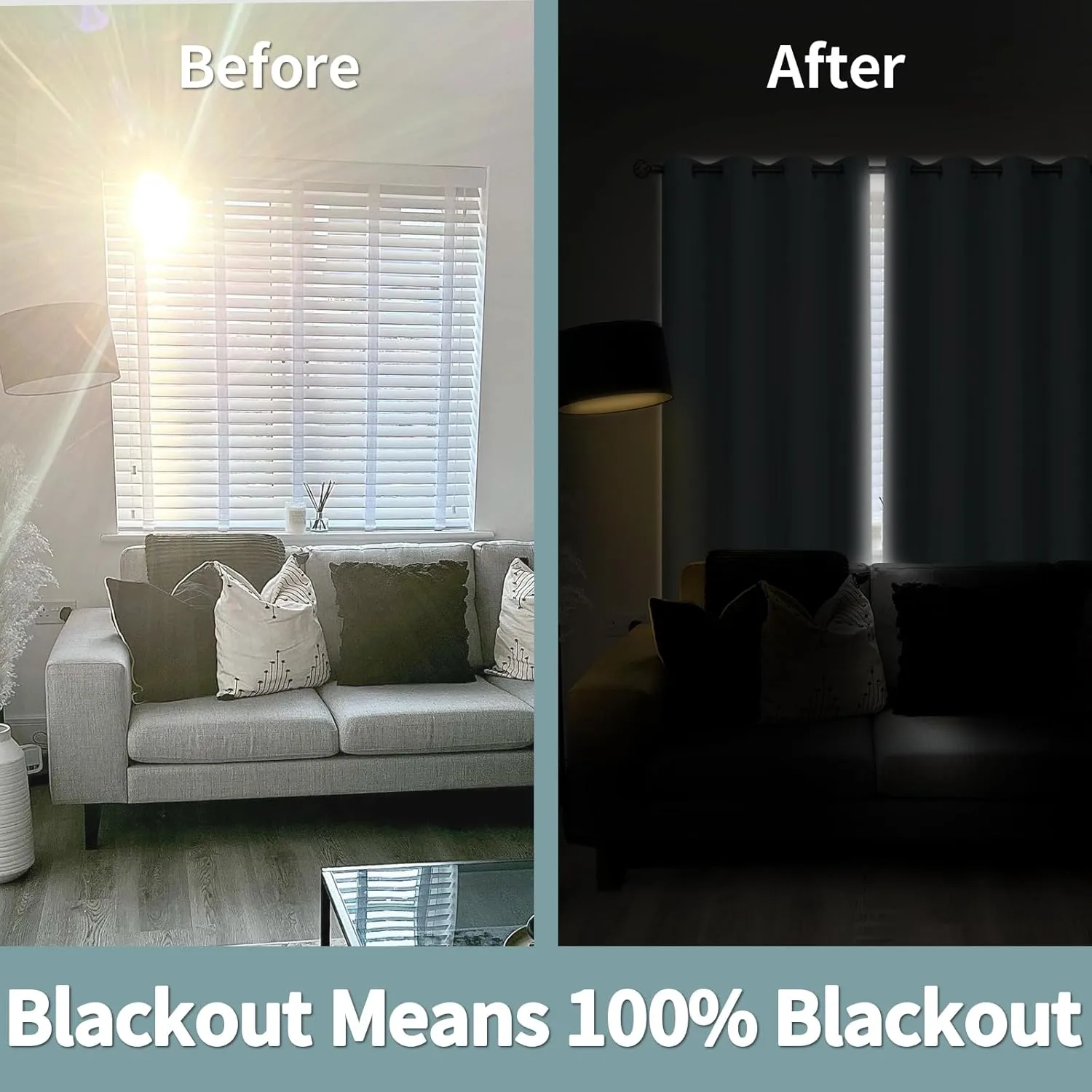
Light exposure after bedtime — even 10 lux from a streetlight — suppresses melatonin and delays Cycle 1 onset. 100% blackout eliminates this. Thermal insulation also helps maintain the 65–68°F optimal REM temperature. Addresses: light disruption + temperature regulation.
🛒 View on Amazon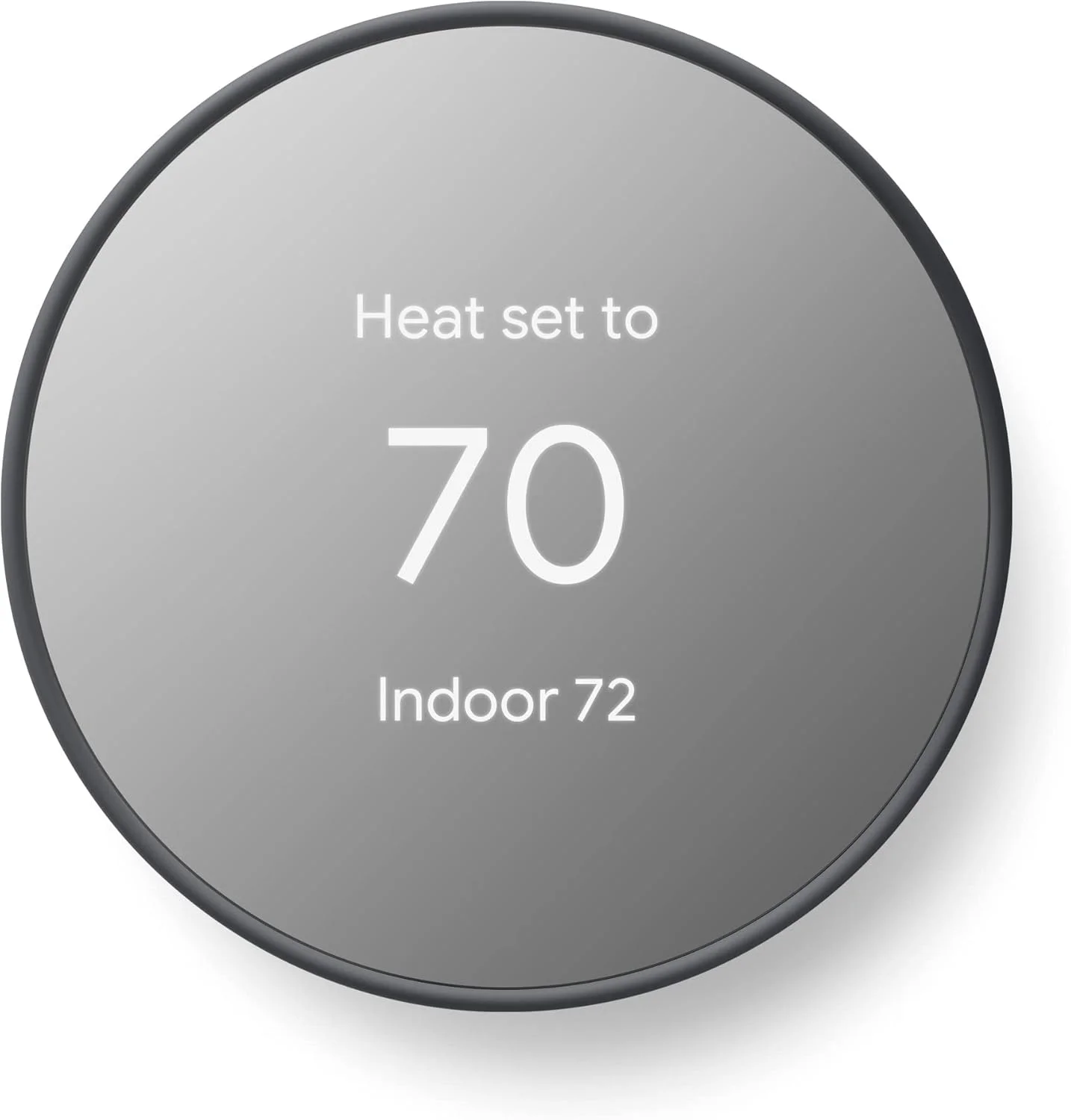 ⭐ Editor’s Pick
Programs automatic temperature drop to 67°F at your bedtime with zero nightly effort. Core body temperature drop is required for N3 deep sleep and late-cycle REM initiation. Robert (Phoenix) added this and recovered ~22 min of REM nightly. Addresses: thermal sleep environment.
🛒 View on Amazon 🔬 Science-Backed
Amber lenses block 99% of sleep-disrupting blue light (450–490nm wavelengths) vs. ~20% for phone night mode. Wear from 9 PM and recover the 37 minutes of sleep onset delay caused by screens — equivalent to gaining a partial REM cycle. Addresses: melatonin suppression from screen use. Source: NIH 2025 review.
🛒 View on Amazon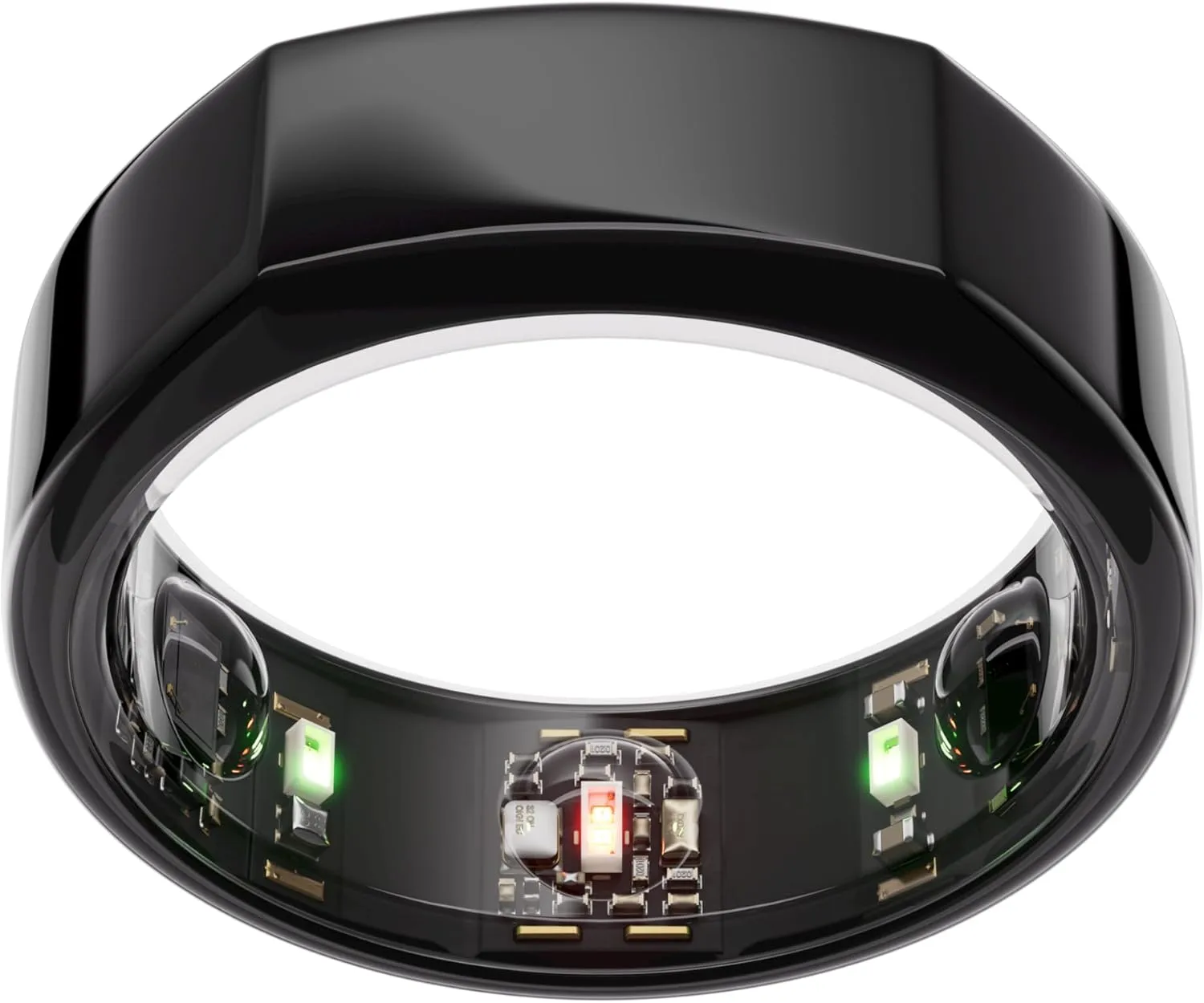 📊 Most Accurate
The most clinically validated consumer wearable for sleep staging — 82% accuracy vs. polysomnography for REM detection (de Zambotti et al., 2019). Shows nightly REM minutes, cycle count, and readiness score. Use to validate whether your calculator-aligned bedtimes are actually improving your REM within 2 weeks. Addresses: sleep feedback loop.
🛒 View on Amazon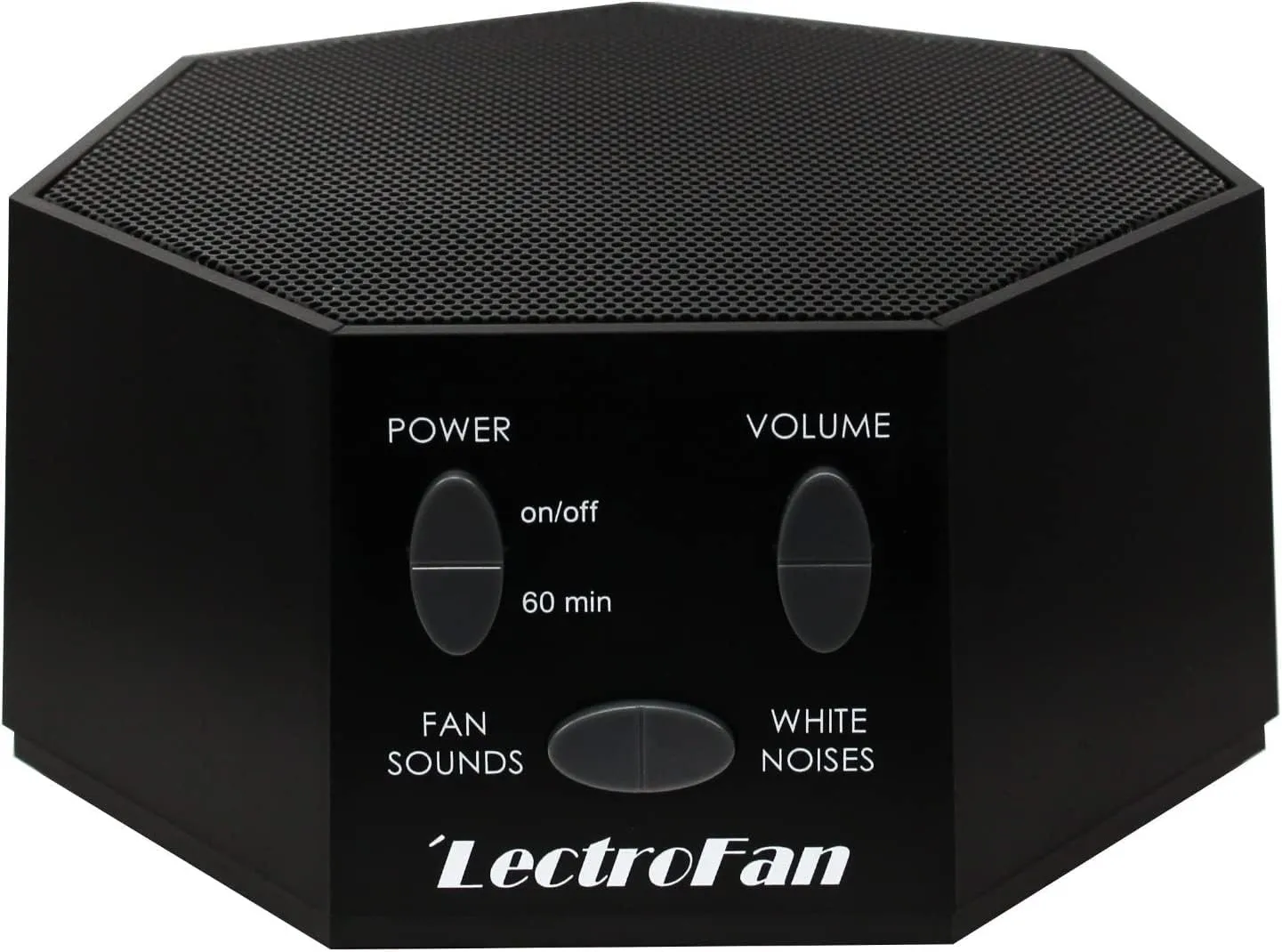 😴 Sleep Pro
Ambient noise above 40dB — traffic, neighbors, AC hum — fragments sleep at cycle transitions, particularly disrupting REM re-entry. LectroFan’s true white noise (not looped) masks these interruptions. Especially critical for shift workers and light sleepers who wake at cycle boundaries. Addresses: acoustic sleep disruption.
🛒 View on Amazon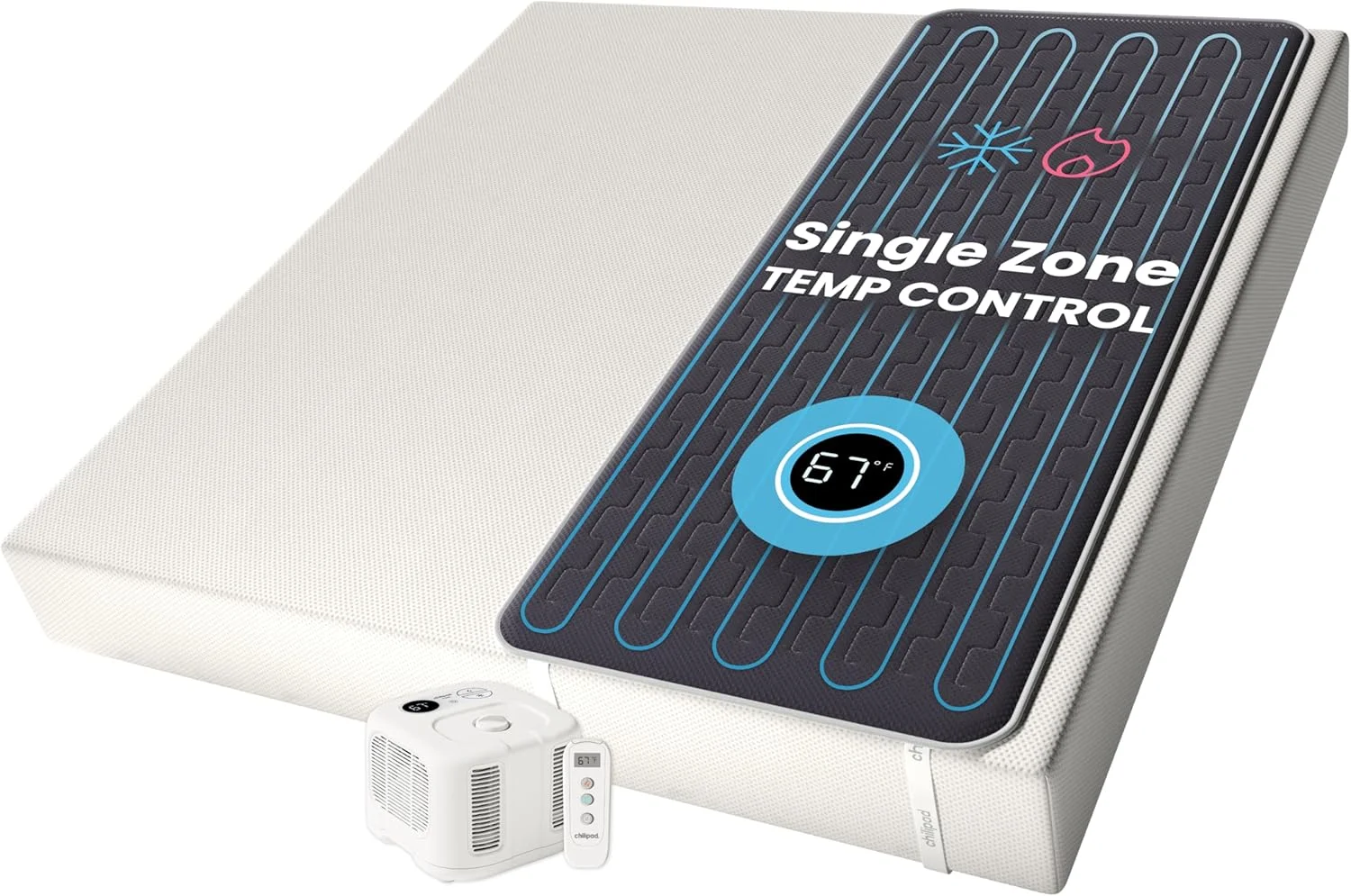 ❄️ Premium Pick
For hot climates or warm sleepers where even a smart thermostat isn’t sufficient — the Chilipad circulates water through the mattress pad to actively cool (or warm) your sleep surface to a precise temperature. Addresses the root cause of late-cycle REM suppression in warm environments. The highest-ROI solution for warm-climate sleepers like Robert in Phoenix. Addresses: body temperature regulation.
🛒 View on AmazonSleep Cycle Questions Answered by Research
One complete sleep cycle averages 90 minutes for healthy adults — though the first cycle tends to be shorter (70–90 min) and later cycles extend to 100–120 minutes as REM grows longer. Each cycle moves through four stages: N1 (light, 1–7 min), N2 (consolidated, 10–25 min), N3 (deep slow-wave, 20–40 min in early cycles), and REM (5–45 min, growing with each cycle). Based on Kleitman and Dement (1953) and validated in Carskadon and Dement’s 2005 meta-analysis across 5,000+ sleep studies.
Individual cycles vary from 80 to 110 minutes based on age, stress, alcohol intake, and prior sleep debt. If the suggested times don’t match your natural wake rhythm, try 85-minute intervals (shorter cycles) or 95-minute intervals (longer cycles).
Feeling tired after 8 hours is almost always sleep inertia — waking from deep N3 sleep or mid-cycle. Eight hours = 5.33 cycles, meaning a standard alarm at exactly 8 hours statistically interrupts a cycle. Sleep inertia from mid-N3 waking can last 15–60 minutes and impairs cognitive performance by up to 30% (Hilditch & McHill, 2019).
The fix: target 7.5 hours (exactly 5 complete cycles) or 9 hours (exactly 6 cycles). Secondary causes include undiagnosed sleep apnea (22 million Americans), bedroom temperature above 70°F, and alcohol suppressing REM in cycles 4–5.
Healthy adults need approximately 90–120 minutes of REM per night — roughly 20–25% of a 7.5–9 hour sleep period. REM is not evenly distributed: Cycle 1 produces only ~10 minutes, rising to ~45 minutes in Cycle 5. Cutting 90 minutes of total sleep can remove 30–40% of your total nightly REM (Stanford, 2026).
Age matters: REM percentage declines ~0.6% per decade from age 19 to 75 (Floyd et al., 2007). A healthy 25-year-old sleeping 7.5 hours gets ~115 min of REM (23%); a healthy 65-year-old gets ~85 min (17%) from the same duration. The calculator applies age-specific targets automatically.
Both serve completely different purposes. A 10–20 minute power nap stays in N1–N2, delivering immediate alertness with zero grogginess. NASA research found 26-minute naps improved pilot alertness 54% and performance 34% (Rosekind et al., 1995). A 90-minute nap completes one full cycle including REM, supporting memory consolidation and emotional processing.
Critically avoid 30–60 minute naps — these routinely end in N3 deep sleep, producing grogginess that impairs performance for 1–2 hours. The Nap Optimizer tab above shows your exact nap window based on your planned start time. Source: Mednick et al. (2002), Nature Neuroscience.
Partially — but not fully. Van Dongen et al. (2003) confirmed chronic weekday sleep restriction deficits in reaction time and working memory are NOT fully eliminated by two recovery nights. Memory consolidation and emotional processing from Mon–Fri that required specific REM cannot be retroactively performed.
Weekend lie-ins also shift your circadian phase 1–3 hours later (social jet lag), disrupting Monday night’s REM cycle timing for 2–3 days. The Sleep Debt Calculator above quantifies your exact accumulated deficit and provides a daily recovery plan that avoids this disruption. Source: PMC12767991 (2025).
Alcohol is a sedative, not a sleep aid. While it reduces sleep onset and increases N3 in early cycles, it suppresses REM in cycles 3–5 — exactly when most restorative REM would naturally occur. Even 1–2 units within 3 hours of bedtime shows this effect (Ebrahim et al., 2013, 27-study systematic review).
Practical rule: allow 1 hour of metabolism per unit. Two glasses of wine (2 units) at 8 PM clears by ~10 PM — acceptable for an 11:15 PM cycle-aligned bedtime. For a 10 PM bedtime, your last drink should be no later than 6 PM.
Sleep inertia is the grogginess and impaired judgment felt when woken from N3 deep sleep mid-cycle. It typically lasts 15–60 minutes but can persist up to 4 hours — during which cognitive performance can be worse than after 24 hours without sleep (Hilditch & McHill, 2019). Caused by residual slow-wave neural activity, elevated adenosine, and delayed prefrontal cortex reactivation.
The most reliable fix: align your alarm with a natural cycle boundary using the calculator. Light exposure, cold water on the face, and movement accelerate cortisol production. Avoid snooze buttons — each 9-minute snooze re-enters N1/N2 and restarts adenosine accumulation, producing worse inertia than a single wake.
Shift work forces sleep at a circadian phase when REM propensity is naturally low — causing night shift workers to lose 1–2 REM-heavy late cycles even when total hours appear adequate. ~15 million Americans work rotating or night shifts (BLS 2025), making this one of the largest sleep debt populations in the US.
Best strategies: (1) Use the Bedtime tab for cycle-aligned shift sleep times. (2) Use the Nap Optimizer for a 20-min pre-shift nap. (3) Use blackout curtains and sleep mask to simulate darkness for REM. (4) Keep off-day wake time within 2 hours of work-day wake time to prevent social jet lag. (5) Use the Sleep Debt tab to calculate your weekly deficit based on your shift pattern.

Related Sleep Calculators
Sources & Research References
- Kleitman N, Dement WC (1953). Cyclic variations in EEG during sleep. Electroencephalography and Clinical Neurophysiology, 5(4), 497–502.
- Carskadon MA, Dement WC (2005). Normal Human Sleep: An Overview. Principles and Practice of Sleep Medicine, 4th ed. Elsevier.
- Floyd JA et al. (2007). Changes in REM-sleep percentage over the adult lifespan. SLEEP, 30(7), 829–836.
- Ohayon MM et al. (2004). Meta-analysis of quantitative sleep parameters. SLEEP, 27(7), 1255–1273.
- Hirshkowitz M et al. (2015). NSF sleep time duration recommendations. Sleep Health, 1(4), 233–243.
- Ebrahim IO et al. (2013). Alcohol and sleep I: Effects on normal sleep. Alcoholism: Clinical and Experimental Research, 37(4), 539–549.
- Van Dongen HPA et al. (2003). The cumulative cost of additional wakefulness. SLEEP, 26(2), 117–126.
- Mednick SC, Nakayama K, Stickgold R (2002). Sleep-dependent learning. Nature Neuroscience, 6, 697–698.
- Rosekind MR et al. (1995). Alertness management: strategic napping. Journal of Sleep Research, 4(S2), 62–66.
- Gooley JJ et al. (2011). Exposure to room light before bedtime suppresses melatonin. Journal of Clinical Endocrinology & Metabolism, 96(3), E463–E472.
- Okamoto-Mizuno K, Mizuno K (2012). Effects of thermal environment on sleep. Journal of Physiological Anthropology, 31, 14.
- Wittmann M et al. (2006). Social jetlag: misalignment of biological and social time. Chronobiology International, 23(1–2), 497–509.
- Hilditch CJ, McHill AW (2019). Sleep inertia: current insights. Sleep Medicine Reviews, 18(4), 388–395.
- de Zambotti M et al. (2019). Wearable sleep technology in clinical and research settings. Sleep Medicine Reviews, 48, 101459.
- Stanford Sleep Research Centre (2026). Meta-analysis of REM duration and emotional dysregulation in 14,800 adults.
- PMC12941685 (February 2026). Strategic sleep extension and cognitive performance outcomes. PubMed Central.
- PMC12767991 (October 2025). Social jet lag, sleep timing irregularity and cognitive decline. PubMed Central.
- NIH Sleep Research Review (2025). Screen-based blue light and sleep onset latency in adults 18–45: systematic review of 18 studies.
- CDC Sleep Research Division (2025). Short sleep duration among US adults — state-by-state prevalence data.