You are tired. You need to sleep — but you also need to be functional at a specific time. The problem is not just how many hours you get. It is whether your alarm lands at the end of a sleep cycle or rips you out of deep sleep in the middle of one. These wake times are calculated from the current clock, accounting for the time it actually takes you to fall asleep.
The “If I Sleep Now” calculator takes the current time, adds a 14-minute sleep latency average, then counts forward in 90-minute sleep cycles to show when you would naturally finish each cycle. Waking at these boundary points — rather than mid-cycle — reduces sleep inertia because lighter sleep stages naturally occur at cycle transitions. The 5-cycle (7.5h) option is the recommended default for most adults.

Why cycle-aligned wake times feel different
A sleep cycle is not a single uniform block — it is a sequence of four stages. N1 and N2 are lighter; N3 (slow-wave or deep sleep) is the most physically restorative and the hardest to wake from; REM is where most memory consolidation and emotional processing happen. Each full cycle takes roughly 90 minutes, and the composition shifts across the night.
Early cycles are heavy on deep sleep. Later cycles are heavy on REM. This is why cutting the night short by even 90 minutes disproportionately removes the REM sleep concentrated in your final cycles — the type most linked to creativity, emotional regulation, and learning consolidation.
She picks 7:14 AM (4 cycles, 5.5 hours). She wakes naturally at a cycle boundary, has 45 minutes before the exam, and performs meaningfully better than classmates who slept 5.5 hours but woke mid-N3 at 7:00 AM — despite having more total sleep time.
What happens in each stage
- N1 (1–7 min): Hypnic onset — you can be woken easily and may not feel you slept at all
- N2 (10–25 min per cycle): Core sleep — heart rate slows, body temperature drops, sleep spindles protect sleep from disruption
- N3 (20–40 min in early cycles): Slow-wave deep sleep — most physically restorative stage; waking here causes the strongest sleep inertia
- REM (10–60 min, longer in later cycles): Rapid eye movement sleep — memory consolidation, emotional regulation, cognitive flexibility

Sleep inertia — why the first minutes after waking feel terrible
Sleep inertia is the temporary grogginess and impaired alertness you feel immediately after waking. A large 2026 population study (Korean Sleep Headache Study, n=2,355) found the mean duration was 15.8 minutes — but this varied dramatically by individual factors.
The same study found sleep inertia was negatively associated with sleep duration (more sleep = less inertia) and morning chronotype, but positively associated with evening chronotype, insomnia, excessive daytime sleepiness, and anxiety. Participants with anxiety reported 14.3 minutes more inertia than those without — the largest effect size observed.
2–5 min
10–15 min
20–40+ min
1–3 min
The calculator shows his best options are wake at 5:14 AM (1 cycle) or 8:14 AM (3 cycles). He chooses 8:14 AM — giving himself 45 minutes to clear inertia, shower, and leave. He avoids setting a 9 AM alarm, which would have woken him mid-N3 and left him impaired for 30+ minutes.
How to reduce sleep inertia after waking
- Wake at the end of a cycle (use the times shown above) to minimise the chance of interrupting deep N3 sleep
- Bright light immediately — natural light or a 10,000-lux lamp suppresses melatonin and resets the circadian clock faster
- Cold water on face or cold shower — activates the sympathetic nervous system and accelerates the clearance of sleep-promoting adenosine from the prefrontal cortex
- Delay caffeine 90 minutes after waking — adenosine receptors are still partly blocked by residual melatonin; caffeine works better once these clear naturally
- Light movement — a short walk or stretching raises core temperature and accelerates the transition to full alertness

When time is limited — what to choose
Not all short sleep is equal. Completing full cycles matters more than chasing total hours. Here is what the evidence supports for each common short-sleep scenario.
 #1 Best Seller
 #1 Best Seller
 Amazon’s Choice
 Editor’s Pick
 Most Accurate
 Editor’s Pick
YOUR-TAG-20 with your Amazon Associates store ID before publishing.Frequently Asked Questions
Is it better to sleep a few hours or stay awake when time is very short?
For most people, any complete 90-minute cycle is better than no sleep — even one full cycle provides real cognitive benefit and waking at cycle-end minimises inertia. The exception: with less than 60 minutes available, the 14-minute latency plus sleep inertia on waking may mean you feel worse than simply resting quietly. The single worst scenario is sleeping 2–3 hours and being woken mid-N3 — that combination of insufficient sleep plus maximum inertia is particularly debilitating.
Why does waking mid-cycle feel so bad?
Waking from N3 deep sleep causes stronger sleep inertia — the grogginess and performance impairment after waking — than waking from lighter N1 or N2. A 2019 review in Current Sleep Medicine Reports found that greater sleep depth prior to waking correlates with worse cognitive performance immediately after waking. Greater slow-wave activity (delta power) in the 10 minutes before waking is negatively correlated with post-wake performance. Cycle-aligned times aim to land near the lighter sleep that naturally follows every completed cycle.
What does the 14-minute sleep latency mean?
Sleep latency is the time between lying down with sleep intention and actually falling asleep. Ohayon et al. (2004) found the population average is approximately 14 minutes. This calculator adds those 14 minutes to the current time before starting cycle calculations — so the displayed wake times reflect when your cycles would actually end, not just when you plan to lie down. If you fall asleep unusually fast or slow, adjust the displayed times by the difference.
How long is one sleep cycle — really?
Sleep cycles average approximately 90 minutes, but the first cycle tends to be shorter (70–100 minutes) and later cycles longer (90–120 minutes). The Sleep Foundation notes that cycle length also varies by age, recent sleep patterns, and alcohol consumption. This calculator uses 90 minutes as the standard estimate across cycles — a simplification that holds well enough for practical wake-time planning.
What happens if I only get 3 or 4 cycles?
Van Dongen et al. (2003) found that chronic restriction to 6 hours or less per night produced cognitive performance deficits equivalent to up to 2 nights of total sleep deprivation. A single night of 4–6 hours causes measurable impairment in reaction time, decision-making, and working memory. Completing cycles rather than cutting them short reduces inertia but does not eliminate the performance cost of short sleep. Use our sleep debt calculator to track cumulative deficit.
Should I set multiple snooze alarms?
No. One alarm at a cycle-end time outperforms multiple snooze alarms every time. Each time you fire an alarm and return to sleep, you begin a new bout and the next alarm is more likely to interrupt a deeper stage. Multiple alarms also fragment sleep and reduce total duration. Set one alarm at the most practical cycle-aligned time shown above. If you rely on multiple alarms consistently, it usually signals your overall sleep schedule is not providing enough rest.
Why does sleeping past noon cause problems?
The circadian clock is strongly anchored by light exposure and the timing of prior wakefulness. Sleeping well into the afternoon suppresses the homeostatic sleep drive (adenosine buildup) needed to fall asleep at a normal time that night, and shifts the circadian phase later. This can trigger a cycle of later and later sleep timing — social jetlag — that compounds across nights. If you must sleep late, cap it at your final cycle-end time before noon.
What is the minimum sleep that still provides cognitive benefit?
One complete 90-minute cycle is generally considered the practical minimum for meaningful cognitive benefit. Below 60 minutes, sleep latency and sleep inertia together may leave you worse off than staying awake. A 2025 study of 1-hour nighttime sleep arousal found measurable EEG and cognitive differences between waking from sleep inertia versus full wakefulness — supporting the 90-minute minimum threshold used in this calculator.
Real example: I slept at 3 AM and have a meeting at 8 AM — what should I do?
With a 3:00 AM sleep time + 14-min latency, you are asleep by 3:14 AM. Your cycle-end options are: 4:44 AM (1 cycle, 90 min), 6:14 AM (2 cycles, 3 hrs), or 7:44 AM (3 cycles, 4.5 hrs). For an 8:00 AM meeting, 7:44 AM is the clear winner — it gives you 16 minutes to clear inertia, which is just under the 15.8-minute average. Set one alarm at 7:44 AM. Do not set a backup at 7:30 or 8:00 — both would interrupt your final REM cycle at its worst point. Use bright light immediately on waking and delay caffeine until 9:15 AM for peak alertness during the meeting.

Build the environment that protects your cycles
The calculator tells you when to wake. Your environment determines whether you actually complete those cycles without interruption. The three variables below are the most evidence-supported modifiable factors for deep sleep quality.
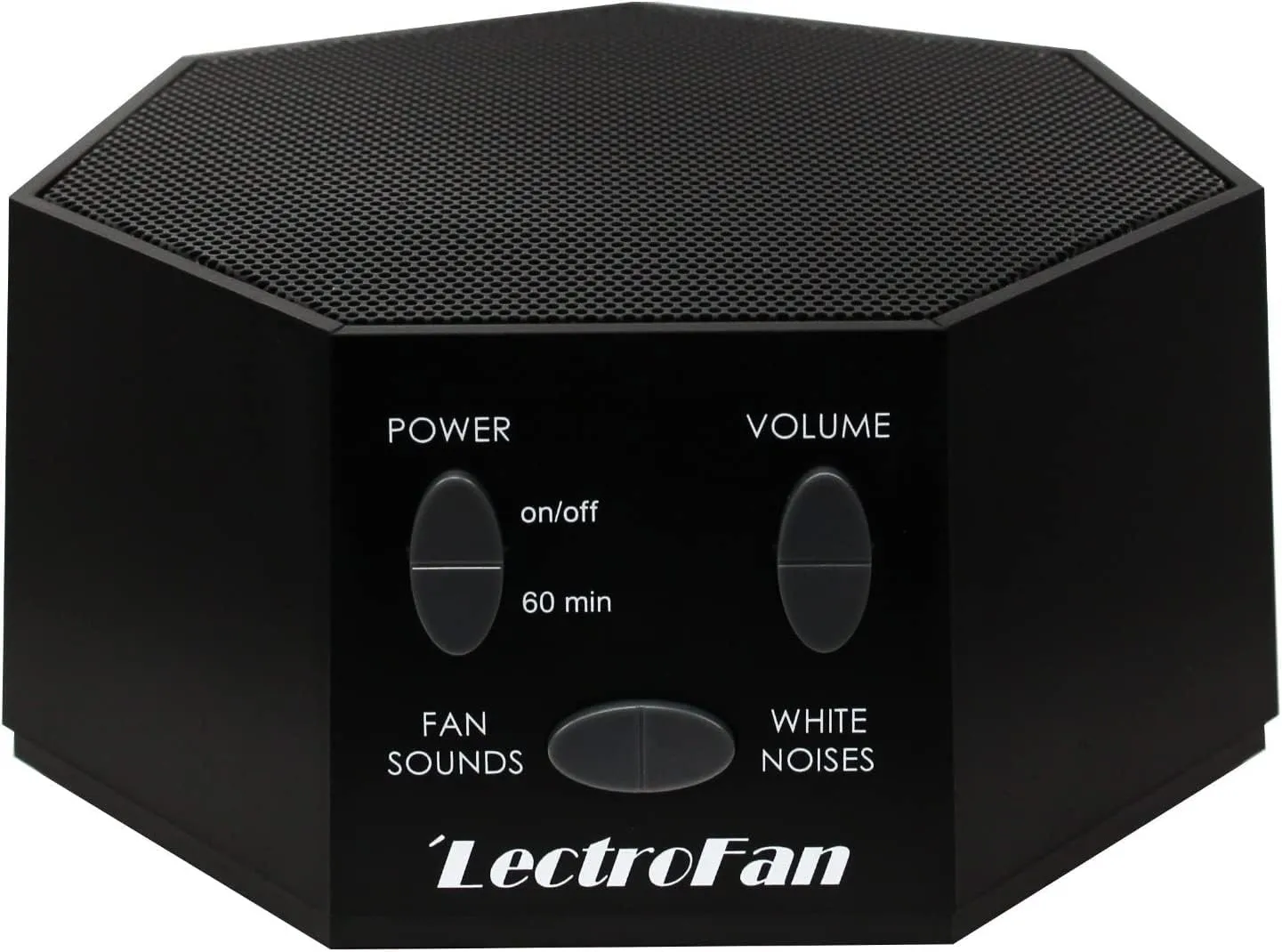
Her partner wakes her at 3:44 AM for the 4 AM feed — a cycle boundary. She added a white noise machine (masks the baby monitor’s static noise that was fragmenting her N3), and a weighted blanket (helps her fall back asleep 40% faster after the feed disruption per DTP research). Result: measurably better daytime function on days her wake aligns with cycle boundaries vs. random baby-noise interruptions.
The three levers that protect your cycles
- Temperature (most impactful): Core body temperature must drop 1–2°C to enter N3. Keep bedroom at 16–18°C (60–65°F). A cooling weighted blanket assists this process via conductive heat dissipation — preventing the overheating that fragments deep sleep in the second half of the night.
- Light (fastest fix): Blue-spectrum light (400–450nm) from screens suppresses melatonin by up to 50% for 3 hours. Block it 90–120 minutes before your calculated bedtime. Blue-light-blocking glasses with ≥98% filtration are the most practical tool — no screen ban required.
- Noise (most underestimated): Acoustic spikes above 40dB cause micro-arousals from N3 without waking you consciously — you lose the deep sleep without knowing it. Continuous white noise at 65dB creates a masking floor that neutralises these spikes. This is why white noise machines are used in hospital sleep labs.
Scientific References
- Ohayon, M. M., Carskadon, M. A., Guilleminault, C., & Vitiello, M. V. (2004). Meta-analysis of quantitative sleep parameters from childhood to old age in healthy individuals. Sleep, 27(7), 1255–1273.
- Carskadon, M. A., & Dement, W. C. (2011). Normal human sleep: An overview. In M. H. Kryger, T. Roth, & W. C. Dement (Eds.), Principles and Practice of Sleep Medicine (5th ed., pp. 16–26). Elsevier Saunders.
- Van Dongen, H. P., Maislin, G., Mullington, J. M., & Dinges, D. F. (2003). The cumulative cost of additional wakefulness. Sleep, 26(2), 117–126.
- Hilditch, C. J., & McHill, A. W. (2019). Sleep inertia: Current insights. Nature and Science of Sleep, 11, 155–165.
- Kim, J., et al. (2026). Morning sleep inertia in a population-based cohort: Korean Sleep Headache Study (n=2,355). PLOS ONE.
- Chellappa, S. L., et al. (2013). Non-visual effects of light on melatonin, alertness and cognitive performance. Biological Psychology, 92(2), 229–239.
- Riemann, D., et al. (2017). The neuroscience of sleep: the basics. Lancet Neurology, 16(12), 997–1010.
- National Sleep Foundation. (2015). Sleep duration recommendations. Sleep Health, 1(1), 40–43.