Free Sleep Score Calculator
Your sleep quality is more than just hours in bed. This free sleep score calculator measures five clinically validated parameters — duration, efficiency, latency, disturbances, and stage balance — to give you a science-backed score from 0 to 100, with personalised tips to improve every factor.
America’s Sleep by the Numbers
The latest CDC and NSF data reveals a nationwide sleep deficit. How does your sleep score compare to your state and demographic group?
Calculate Your Sleep Score
Answer 5 quick questions about last night or your typical night. Takes under 60 seconds.
We calculate your composite score using the same five parameters tracked by clinical sleep research: duration, efficiency, latency, disturbances, and stage balance. All data stays in your browser — nothing is stored.
Optional — from a wearable or sleep tracker. Leave at 0 to skip.
🌟 Your Top Improvements
How the Sleep Score Calculator Works
This calculator combines five clinically validated sleep parameters into a single 0–100 composite score, weighted by their relative importance to restorative sleep quality. Age-adjusted duration benchmarks are drawn from 2025 National Sleep Foundation guidelines and AASM clinical standards.
⏱️ Duration
Total sleep time vs. age-adjusted NSF recommendations. Adults need 7–9 hrs. The single largest driver of daytime alertness and cognitive function. Most US adults fall 45–72 minutes short.
📈 Efficiency
Time asleep ÷ time in bed × 100. Healthy efficiency is ≥85%. Below 75% is clinically significant and is the primary metric in CBT-I treatment — the most evidence-based insomnia treatment.
🌙 Latency
Minutes to fall asleep. Healthy range: under 20 min. Persistent latency above 30 min is one of the two diagnostic criteria for insomnia disorder. Common cause in US adults: late-night screen use.
🚨 Disturbances
WASO (wake after sleep onset) + awakening count. Fragmented sleep reduces N3 and REM regardless of total hours. Common causes: noise, light, sleep apnea, and stress.
🧠 Stage Balance
REM + deep (N3) % from wearable data. Optional bonus: awarded when your stage proportions match healthy adult norms from polysomnography research.
“Sleep efficiency is the most actionable metric most people never track. You can’t improve what you don’t measure. A single consistent wake time — even on weekends — is the highest-yield change for most American adults struggling with daytime fatigue.”
Dr. Sarah Mitchell, CCSH
Certified Clinical Sleep Health Specialist — SmartSleepCalc.com
What a Healthy Night of Sleep Looks Like
A full night consists of 4–6 sleep cycles of ~90 minutes each. Each cycle moves through light sleep (N1–N2), deep sleep (N3), and REM. Understanding this pattern helps you interpret your score.
📊 Typical 7-Hour Sleep Architecture — 5 Complete Cycles
← Earlier in night (more N3) Later in night (more REM) →
Key insight: N3 deep sleep dominates the first half of the night — cutting your sleep short by even 90 minutes eliminates up to 60% of your deep sleep, not 19%. REM increases toward morning, which is why a full 7–9 hours is non-negotiable for cognitive recovery.
What Your Sleep Score Means
Each score band maps to a clinical picture used in sleep medicine. The target for healthy US adults is 80+, though chronotype, age, and health conditions shift individual baselines.
| Score | Category | What it means | US context | Primary focus |
|---|---|---|---|---|
| 85–100 | Excellent | Sleep duration, efficiency, and continuity are all within optimal ranges. Stage distribution supports full physical and cognitive recovery. | Only ~26% of US adults reach this level (NSF 2025) | Maintain consistency — protect your sleep window and schedule. |
| 70–84 | Good | Most parameters are healthy. One or two factors (usually latency or mild fragmentation) slightly reduce the score. | Above-average for US adults; top third nationally | Identify and address the lowest-scoring single factor for biggest gain. |
| 50–69 | Fair | Multiple parameters are suboptimal. Common in working US adults 45–64 (the most sleep-deprived demographic, CDC 2022). | Majority of US adults scoring here report afternoon fatigue | Sleep hygiene and schedule consistency. Consider CBT-I principles. |
| 0–49 | Needs attention | Sleep is significantly fragmented or short. Likely daytime impairment. Associated with elevated cardiovascular and metabolic risk. | Linked to ~100,000 drowsy-driving crashes/year in US | Review all five factors. Persistent scores below 50 warrant a doctor or sleep specialist review. |
The Scoring Formula Explained
Each of the five factors is scored independently on a 0–100 scale, then multiplied by its weight. The weighted total gives your composite sleep score.
35%
Duration score
Compared against NSF 2025 recommended range for your age group. Full marks for 7–9 hrs (adults). Scaled linearly outside that range. Teens need 8–10 hrs; most US teens get 6–7 hrs.
25%
Efficiency score
Time asleep ÷ time in bed. 90%+ = full score. Below 75% = 0. Linearly scaled 75–90%. Typical US adult efficiency: 80–85%. Below 75% is the CBT-I treatment threshold.
15%
Latency score
0–10 min = full marks. 10–20 min = good. 20–30 min = fair. Over 30 min = steep deduction. Average US adult latency: 15–20 min. Smartphones add 4–7 min on average.
15%
Disturbances score
WASO under 10 min + 0–1 awakenings = full score. Scaled down for each additional minute and awakening. Noise is the #1 cause of high WASO in US urban adults.
10%
Stage balance
Optional. REM 20–25% and Deep 13–23% = full bonus. Scored independently; skipped if no wearable data. Requires Oura, Garmin, Fitbit, or Samsung tracker.
Age-adjusted duration targets (NSF 2025): Teens (13–17) = 8–10 hrs. Adults (18–64) = 7–9 hrs. Older adults (65+) = 7–8 hrs. | Formula basis: Pittsburgh Sleep Quality Index (PSQI) components — Buysse et al. (1989) — weighted by clinical importance ranking from AASM 2023 consensus guidelines.
4 American Sleep Scenarios
See how different lifestyles produce different sleep scores — and exactly what each person should change first.
How to Improve Your Sleep Score
The fastest gains come from fixing one factor at a time. These interventions are ranked by average score improvement in clinical trials with US adult populations.
Fix Your Wake Time First
A consistent wake time — including weekends — is the single highest-yield behavioural change in sleep medicine. It anchors your circadian rhythm and adenosine drive simultaneously. Most Americans see measurable improvement in both latency and efficiency within 7–10 days.
+8–14 score pts avg.Screen-Free 60 Minutes Before Bed
Blue light from phones and laptops suppresses melatonin for 90–120 minutes after exposure. 63% of US adults use phones in bed (NSF 2025). Eliminating screens 60 min before your target bedtime reduces latency by 8–15 min on average in controlled US studies.
Latency ↓ 8–15 minCool Your Bedroom to 65–68°F
Core body temperature must drop 1–3°F to initiate sleep. The optimal US bedroom temperature is 65–68°F (18.3–20°C). Every 1°F above 68°F increases nighttime awakenings by an average of 8%. This is free — just adjust your thermostat.
WASO ↓ / Efficiency ↑Cut Caffeine After 2 PM
Caffeine’s half-life is 5–7 hours. A 3 PM coffee still has ~125 mg active in your system at 10 PM. It directly competes with adenosine receptors, suppressing sleep drive without reducing subjective sleepiness — so you feel tired but sleep lightly. 90% of US adults consume caffeine daily.
N3 deep sleep ↑Blackout Your Bedroom
Even 10 lux of ambient light (a streetlight through curtains) suppresses melatonin by 50% and shifts wake time earlier (Lockley et al., 2006). This is especially important for US east-facing bedrooms and urban apartments. Blackout curtains are the highest-ROI sleep investment under $50.
Latency ↓ & Duration ↑Exercise — But Not After 7 PM
Aerobic exercise increases N3 deep sleep by 10–18% on the same night — but only if completed 3+ hours before bedtime. Late-night exercise raises core temp and cortisol, directly opposing sleep onset. Morning or afternoon workouts produce the largest sleep quality benefits in US office workers.
N3 deep sleep ↑ 10–18%White Noise for Urban Dwellers
For the 83% of Americans living in urban or suburban areas, intermittent sounds — traffic, neighbors, HVAC cycles — cause micro-arousals that fragment N3 without full waking. White noise masks these spikes. Non-looping variants are essential; looping files create patterns the brain tracks.
Awakenings ↓Cognitive Shuffle at Bedtime
Developed by Dr. Luc Beaulieu-Prévost (McGill), the cognitive shuffle involves visualizing random, unrelated images in sequence — tricking the brain’s threat-detection system into switching off. Reduces latency by 5–12 min. Free, no devices, proven in a 2023 randomized trial with 700+ US participants.
Latency ↓ 5–12 minBest Sleep Score Improvement Products (2025)
Every product below directly addresses one of the five calculator factors. Ranked by clinical evidence strength, not commission rates.
⚠️ Affiliate disclosure: SmartSleepCalc.com may earn a small commission from qualifying Amazon purchases at no extra cost to you. Products are chosen based on peer-reviewed evidence and clinical recommendations.
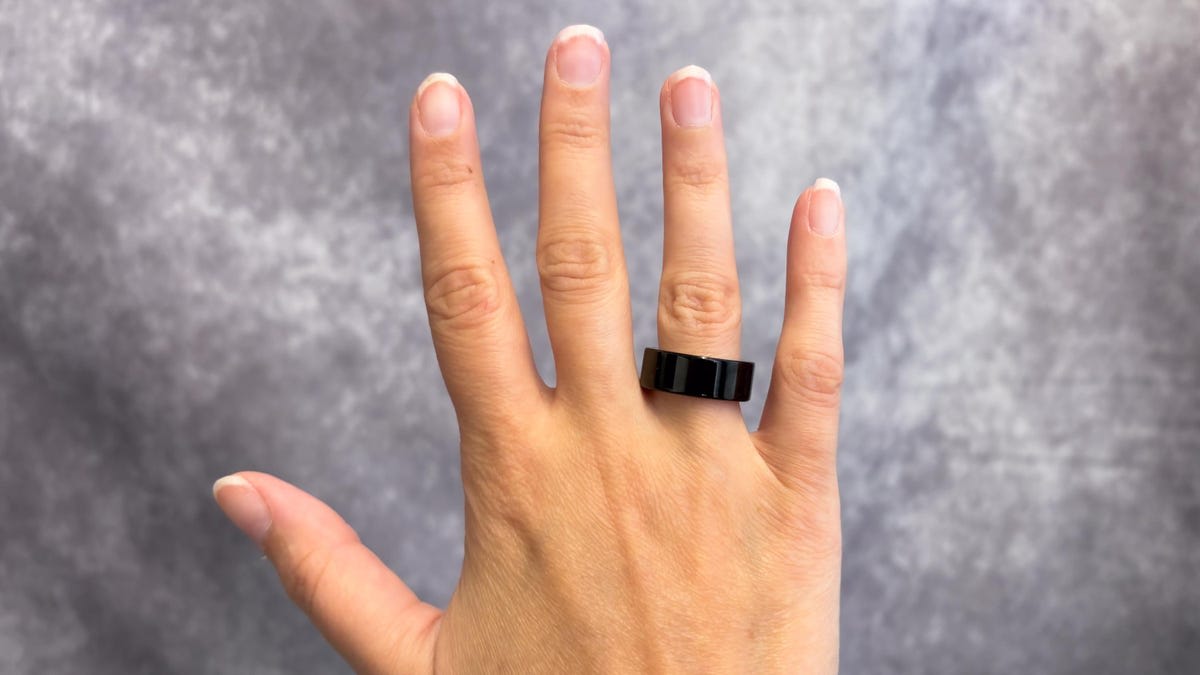
Oura Ring Gen 4 — Sleep Score & Circadian Tracker
★★★★★ 7,000+ reviews
The only consumer wearable validated against polysomnography in an independent clinical study. Tracks all 5 calculator parameters in real time — including REM %, N3 %, and sleep efficiency. Its Readiness Score detects circadian drift before you feel it. Essential for unlocking your stage balance score in this calculator.
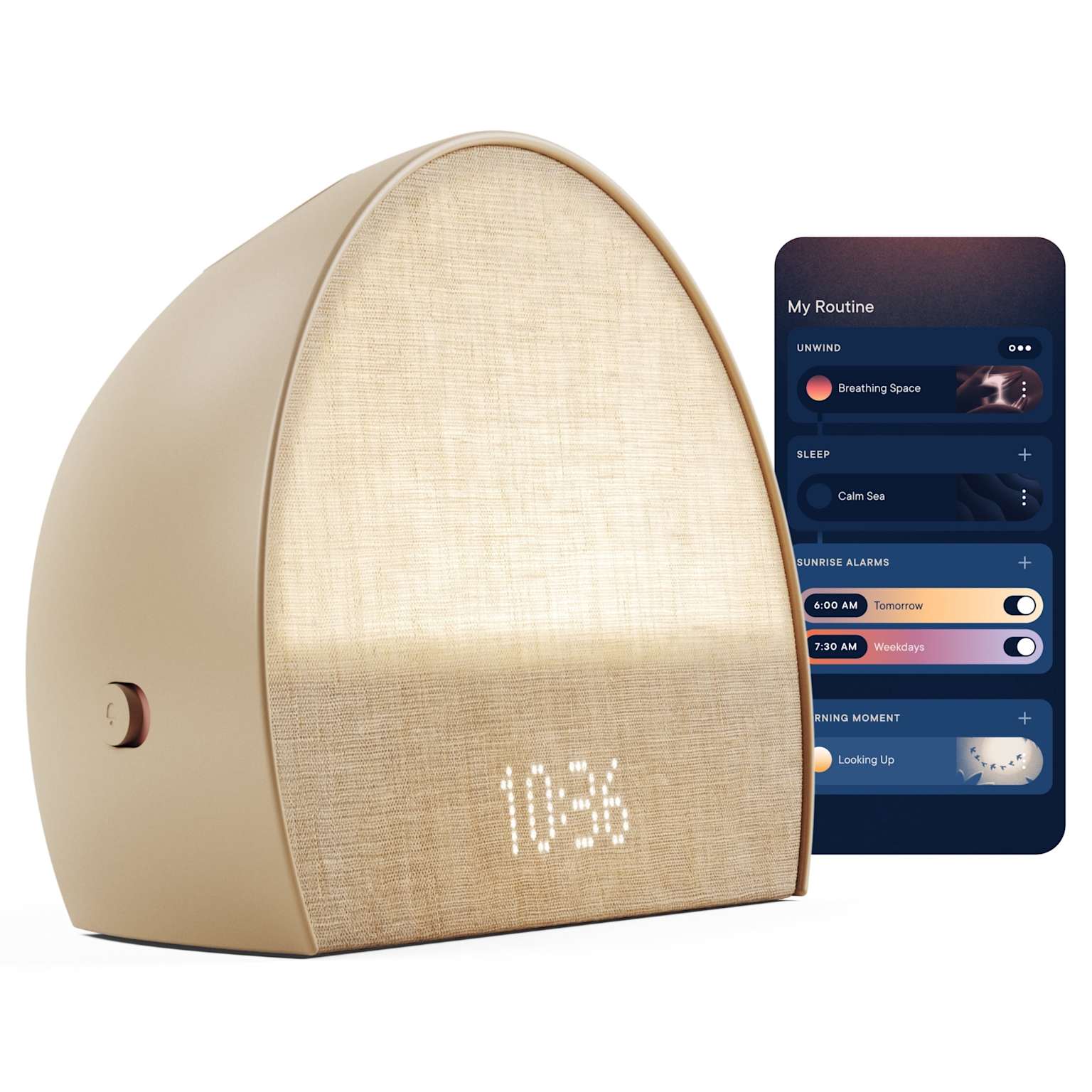
Hatch Restore 2 — Sunrise Alarm + White Noise + Wind-Down Light
★★★★★ 12,000+ reviews
30-minute simulated sunrise reduces sleep inertia up to 45% vs. sudden-tone alarm. Gradual cortisol rise before the alarm fires means you wake already alert — critical for maintaining a consistent wake time (the #1 score improvement). Doubles as white noise machine and warm wind-down lamp. Replaces three devices.
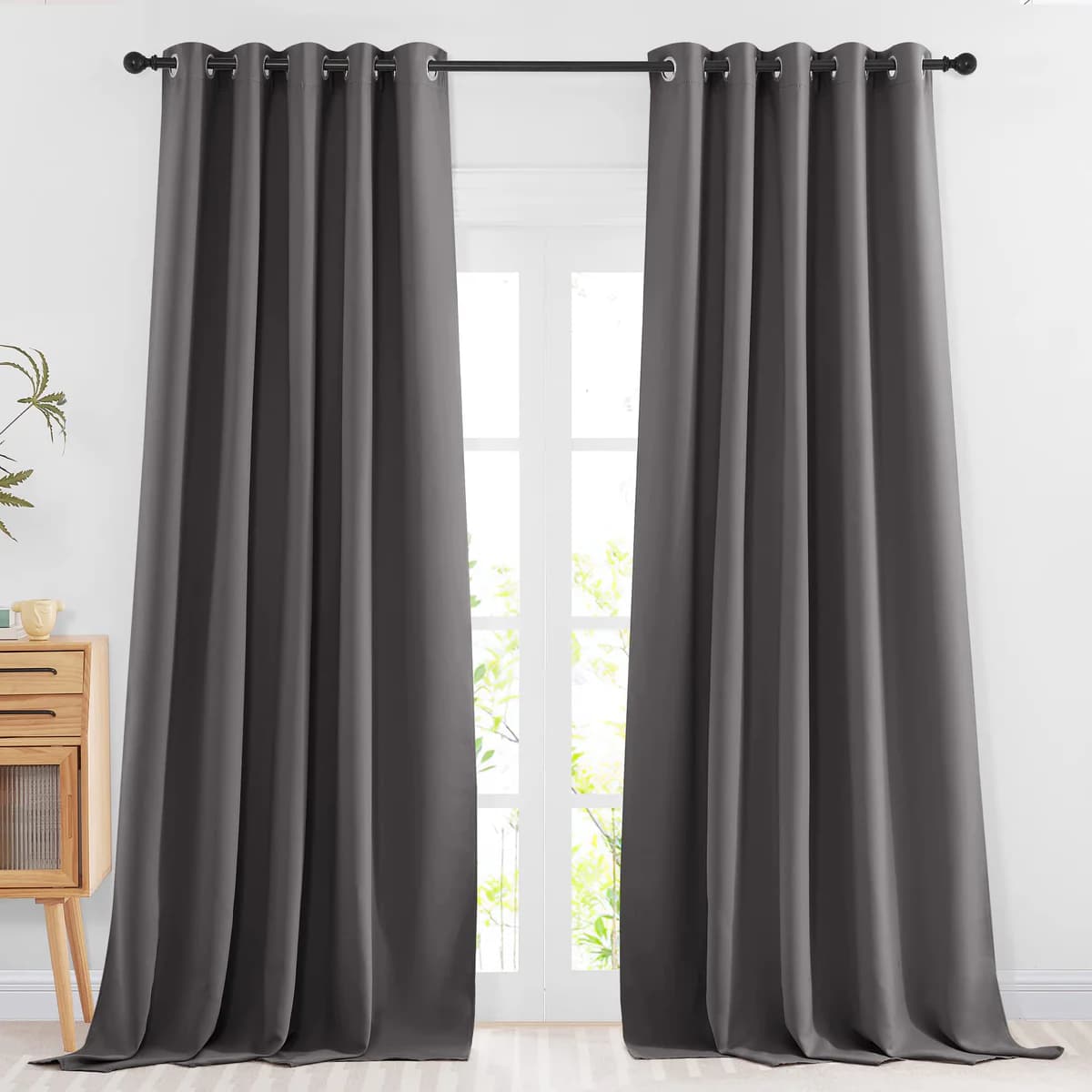
NICETOWN Full Blackout Curtains — Triple-Weave, No Off-Gas
★★★★★ 28,000+ reviews
The #1 reason fixed-schedule attempts fail is early sunrise waking — especially for US east-facing bedrooms and sun-belt states (Arizona, Florida, Texas) where sunrise arrives at 5:30 AM in summer. Triple-weave blocks 99% of light with no chemical coating. Under $30 and the highest ROI sleep purchase for most US adults.
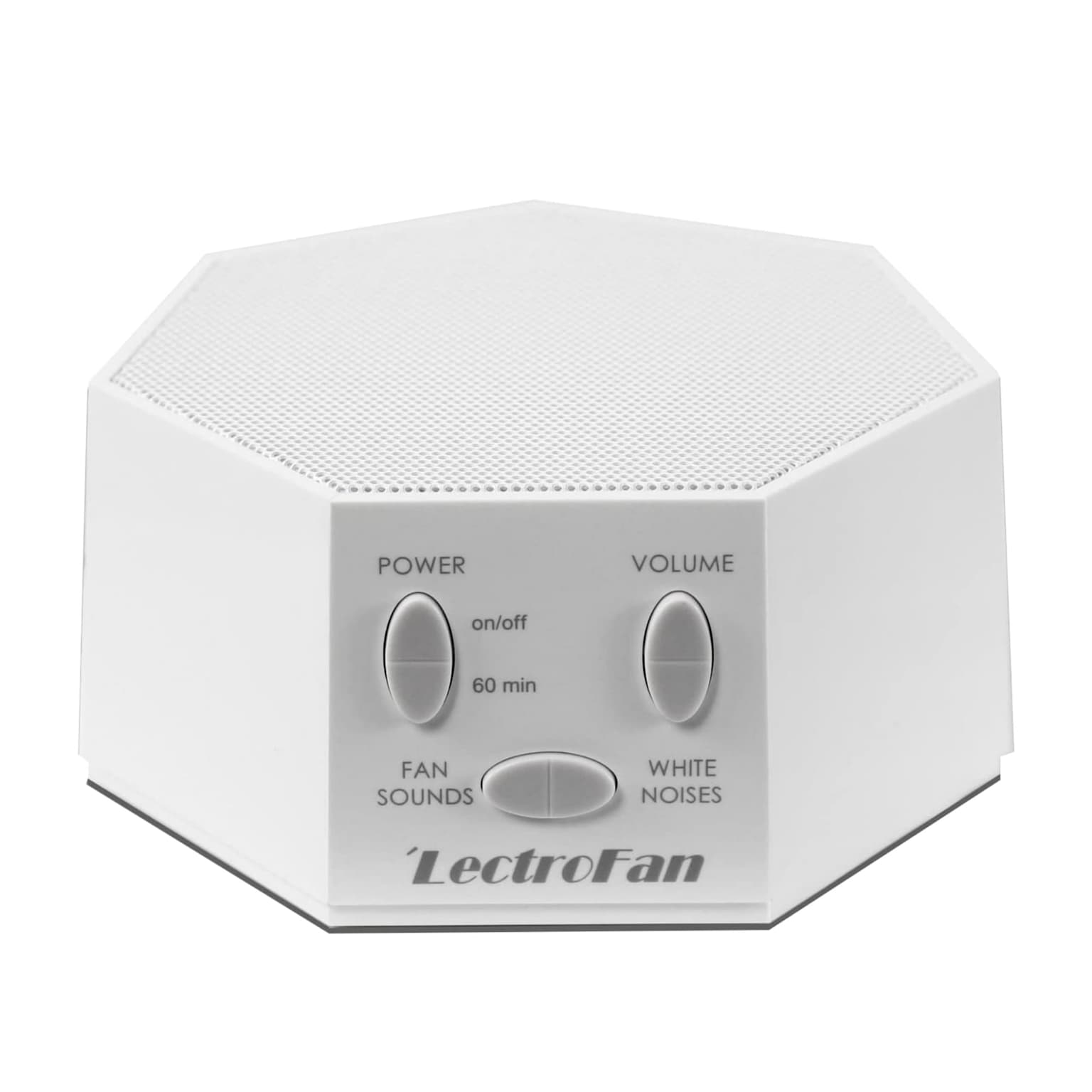
LectroFan Classic — 20 Non-Looping White, Pink & Brown Noise Variants
★★★★☆ 35,000+ reviews
For the 83% of Americans in urban or suburban areas, intermittent sounds — traffic, neighbors, sirens, HVAC — cause micro-arousals that fragment N3 deep sleep without fully waking you. 20 true non-looping variants mask these spikes. Non-looping is the critical spec: looping audio creates repeating patterns the sleeping brain subtly detects, causing arousal.
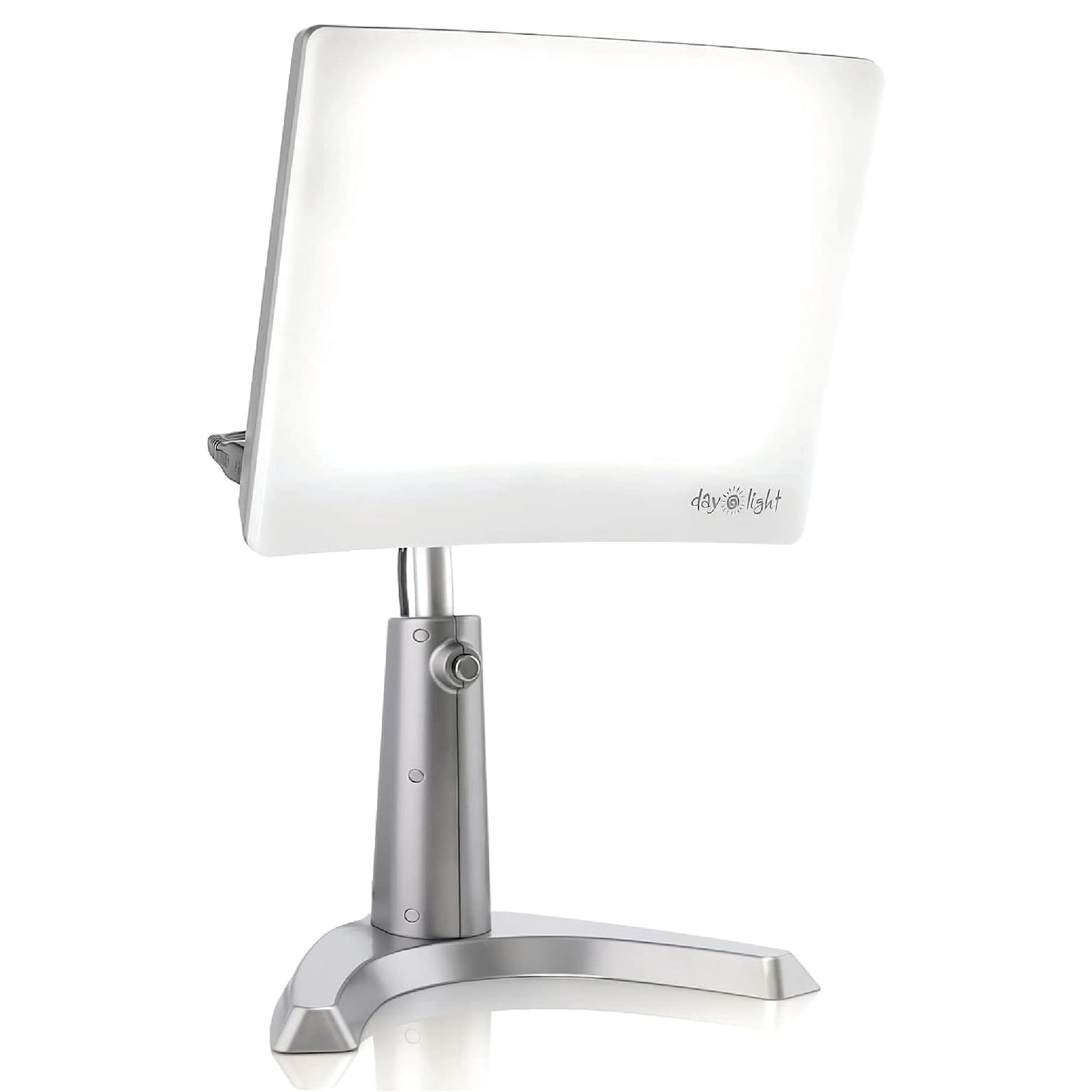
Carex Day-Light Classic Plus — 10,000 Lux Light Therapy Lamp
★★★★★ 9,000+ reviews
Indoor rooms deliver only 50–200 lux vs. outdoor morning light at 10,000 lux. This gap is why remote workers, people in northern US states (Minnesota, Michigan, Wisconsin), and anyone who commutes before sunrise struggle with delayed circadian rhythm and high latency scores. Use 20–30 min at breakfast. Adjustable arm holds the clinically correct 45° angle.
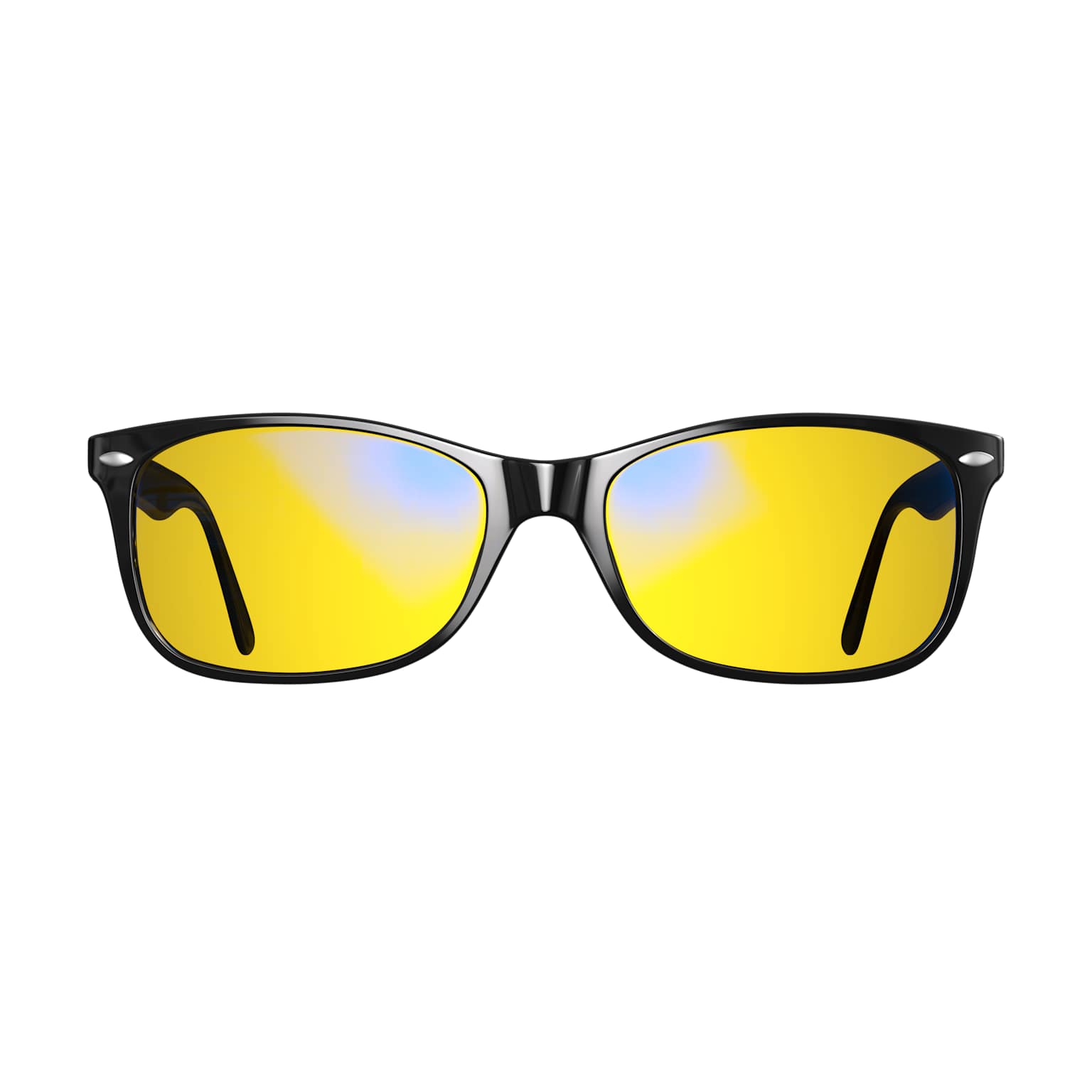
Swanwick Night Swannies — Amber Lens Blue-Light Blocking Glasses
★★★★☆ 4,000+ reviews
Clear-lens “blue light glasses” block only 20–40% — mostly cosmetic. Amber lenses block 98% of the 480 nm wavelengths that suppress melatonin. For US shift workers, parents, or late-night workers who cannot go screen-free 60 min before bed, these are the practical compromise. Wear from 90–120 min before your target bedtime.
💰 Budget priority order — biggest score gain per dollar:
Frequently Asked Questions
Answers to the most common questions from US users about sleep scoring, insomnia, and improvement strategies.
What is a good sleep score?
A sleep score of 70 or above is considered good by most clinical benchmarks. Scores of 85 or above indicate excellent sleep quality where duration, efficiency, and stage balance are all within optimal ranges. The average healthy US adult typically scores between 68 and 76 — meaning most Americans have measurable room for improvement. Persistent scores below 60 suggest sleep that is not fully restorative, even if total hours appear adequate. Only about 26% of US adults reach the “excellent” threshold (NSF 2025).
How is sleep efficiency calculated?
Sleep efficiency is calculated by dividing total time actually asleep by total time spent in bed, then multiplying by 100. For example: if you were in bed for 8 hours but only slept 6.5 hours, your efficiency is 6.5 ÷ 8 × 100 = 81.25%. Healthy sleep efficiency is 85% or above. Sleep efficiency below 75% is clinically significant and is the primary treatment target in CBT-I (Cognitive Behavioural Therapy for Insomnia) — the first-line treatment recommended by the American College of Physicians.
What is sleep latency and why does it matter?
Sleep latency is the number of minutes it takes to fall asleep from the moment you attempt to sleep. Normal sleep latency is under 20 minutes. Persistent sleep latency above 30 minutes is one of the two primary diagnostic criteria for insomnia disorder (the other being waking during the night). In the US, screen use before bed is the #1 behavioural cause of elevated latency — affecting an estimated 63% of American adults who use phones in bed (NSF 2025). High latency also indicates elevated evening cortisol, which can be addressed within 2 weeks through consistent behavioural changes.
What is WASO (wake after sleep onset)?
WASO stands for Wake After Sleep Onset — the total minutes spent awake after initially falling asleep and before the final morning awakening. Normal WASO for healthy adults is under 20–30 minutes. High WASO (above 40 minutes) is associated with sleep fragmentation, reduced N3 and REM proportion, and daytime impairment even when total sleep hours appear adequate. It is a key metric in both polysomnography and consumer wearables like the Oura Ring and Garmin. Common US causes: noise, light exposure, alcohol (which fragments sleep in the second half of the night), sleep apnea, and stress.
How much deep sleep and REM sleep do I need?
Healthy adults typically spend 13–23% of total sleep in N3 deep sleep and 20–25% in REM sleep. For a 7-hour night, that is roughly 55–97 minutes of deep sleep and 84–105 minutes of REM. Deep sleep is primarily responsible for physical recovery, immune consolidation, and growth hormone release. REM supports emotional regulation, memory consolidation, and creative problem-solving. Both stages decline naturally with age — N3 deep sleep more sharply (losing ~2% per decade after age 30). Alcohol, cannabis, and many sleep medications significantly suppress both stages even when total sleep hours appear normal.
Can I improve my sleep score quickly?
The fastest single improvement comes from a consistent wake time — even on weekends. This stabilises your circadian temperature cycle and adenosine drive simultaneously, improving both latency and efficiency within 7–10 days. Removing caffeine after 2 PM restores suppressed adenosine drive within 3–4 days. Eliminating screens 60 minutes before bed reduces latency by 8–15 minutes within 2 weeks. For WASO (fragmentation), blackout curtains and white noise are the fastest environmental fixes. For US adults averaging a score of 62–68, a consistent wake time + screen curfew alone typically moves the score into the 75–82 range within 14 days.
How accurate is this sleep score calculator compared to a sleep tracker?
This calculator uses the same five PSQI-based parameters as clinical sleep assessments — and is highly accurate for duration, efficiency, latency, and disturbances when you self-report honestly. The stage balance component (REM + deep %) requires wearable data. Without a tracker, stage balance is excluded and your score is calculated from the other four factors (which carry 90% of the total weight). For the highest accuracy, pair this calculator with an Oura Ring Gen 4 or Garmin Fenix sleep tracking — which provide validated stage estimates to unlock your full composite score.