Shift Work Sleep Calculator — Best Sleep Schedule for Night Shift Workers
Find your best sleep window, nap time, anchor sleep, and transition plan in seconds. Built for nurses, EMS, and factory shift workers.
Why use this calculator?
- Plans anchor sleep — not just a single bedtime.
- Handles transition days between shifts and days off.
- Nurse, EMS, and factory presets built-in.
- Caffeine cutoff, wind-down start, and 7-day planner.
- Circadian strain difficulty score included.
Build your sleep plan
—
Commute + wake buffer
—
Keep on workdays + days off
~6h before sleep window
Dim lights, protect block
7-day sleep timeline
Blue = main sleep · Amber = nap · Maroon = work shift
Transition guidance
Based on your shift position and days-off strategy.
What each result means
Main sleep window
Calculated backward from shift start minus commute, wake buffer, and target sleep hours.
Anchor sleep
A fixed 4-hour overlap kept on both workdays and days off to limit circadian drift.
Pre-shift nap
A prophylactic nap reduces fatigue during the shift without disrupting the main sleep block.
Caffeine cutoff
With a ~6-hour half-life, cutting caffeine 6 hours before sleep reduces onset difficulty.
What Is Shift Work Sleep Disruption? A Plain-Language Guide
Shift work sleep disorder (SWSD) is a real circadian rhythm sleep disorder. It affects an estimated 10 to 38 percent of shift workers in the United States, according to the American Academy of Sleep Medicine. SWSD is not ordinary tiredness. It happens when your internal body clock and your work schedule pull in opposite directions. You have trouble falling asleep. You have trouble staying asleep. And you have trouble staying awake on shift — all at once.
Here is why this happens. Your body clock, called the suprachiasmatic nucleus (SCN), reads light as its main signal for day or night. A night shift worker is awake during the body’s biological night and tries to sleep during its biological day. That is the opposite of what the body clock expects. Light on the drive home after a night shift tells your brain “wake up” at the exact moment you need to sleep. This is not a willpower problem. It is a physical conflict between your biology and your schedule. It needs a strategy, not just grit.
Anchor Sleep: The Best-Supported Strategy for Night Shift Workers
Anchor sleep is the sleep-scheduling method with the strongest research behind it for shift workers. Circadian scientists first described it in the 1980s. It means picking one fixed 3 to 5 hour sleep window. You keep that window the same on both work days and days off.
Here is why it works. Your body clock never fully switches to a night schedule — even after years on permanent nights. This is especially true if you go back to a daytime sleep pattern on your days off. Every time you fully switch back to daytime sleep on a day off, you undo your adjustment. The next night shift then feels like starting over. Anchor sleep stops that full reset. It keeps one steady signal your body clock can hold onto, even while the rest of your sleep time shifts around it. Czeisler and colleagues’ foundational circadian research on rotating shift schedules found that workers who used a steady anchor window had less circadian misalignment across a run of night shifts than workers who slept without one.
How Anchor Sleep Works in Real Life
Say you work 7pm to 7am as a nurse. You might pick a 9am–1pm anchor window. On shift days, that becomes the first part of your daytime sleep. On days off, you keep that same 9am–1pm anchor. You can add sleep before it (5am–1pm) or after it (9am–3pm) — but you never skip the anchor.
| Strategy | Circadian Impact | Social Impact | Best For |
|---|---|---|---|
| Partial anchor overlap | Low drift — recommended | Moderate — mornings free | Most shift workers |
| Stay mostly nocturnal | Minimal drift — easiest adaptation | High — social isolation risk | Permanent nights, solo households |
| Switch back to days | Full reset — highest fatigue on return | Low — normal social schedule | Infrequent shift blocks only |
10 Practical Tips for Night Shift Workers
These are the core habits research and occupational health guides link to better sleep and lower fatigue for night shift and nightshift workers.
- Sleep right after your shift ends. Waiting a few hours builds sleep debt fast.
- Use anchor sleep. Keep one fixed sleep window on work days and days off.
- Block all light in your bedroom. Blackout curtains or window film work well.
- Wear sunglasses on the drive home. Morning light delays your body’s wind-down.
- Cut caffeine 6 hours before bed. Extend to 8 hours if you still feel wired.
- Take a pre-shift nap. A 60 to 150 minute nap before your shift can cut fatigue.
- Mask noise with white noise or earplugs. Daytime noise breaks up sleep more than most people realize.
- Keep your bedroom cool. A lower temperature helps your body fall asleep faster.
- Shift back to days slowly. Move bedtime 1–2 hours earlier per day, not all at once.
- Watch for warning signs. Loud snoring, gasping, or ongoing low mood need a doctor’s input — not just a schedule fix.
Light Therapy for Night Shift Workers: When to Seek Light and When to Avoid It
Light is the single strongest signal your body clock reads. For night shift workers, using light on purpose — and avoiding it on purpose — is one of the highest-leverage tools available.
During Your Shift: Seek Bright Light
Bright light exposure, especially in the first half of a night shift, is linked with better alertness and faster reaction time in occupational sleep research. Bright, cool-white light at the workstation can help push back the body’s natural drive to feel sleepy in the early morning hours.
On the Commute Home: Avoid Bright Light
Morning sunlight on the drive or walk home resets your body clock toward daytime — which fights against the sleep you are about to try to get. Wearing sunglasses or blue-light-blocking glasses on the commute home is a simple, low-cost way to blunt that signal.
On Recovery Days: Use Light to Shift Back
When you are moving from nights back to a daytime schedule, morning light exposure helps speed that transition. Stepping outside or sitting near a bright window shortly after waking on a recovery day nudges your body clock forward.
Prophylactic Naps Before Night Shifts: What the Research Shows
A prophylactic nap is planned sleep you take before a night shift, usually in the mid-to-late afternoon. The goal is to lower sleep debt before you clock in. NIOSH-reviewed nurse research found naps of roughly 1.5 to 2.5 hours were linked with better alertness during the first night shift compared with no nap. A study of aircraft maintenance workers found a short nap improved reaction time on a vigilance task. Note: exact percentage gains vary by study design and by the people studied — treat any single number as illustrative, not universal.
A controlled trial by Purnell and colleagues, published in the Journal of Sleep Research, tested a planned pre-shift nap for 12-hour shift workers and found measurable gains in alertness and task performance. Separate research on shift-working drivers found that those who took a prophylactic nap before night shifts reported fewer driving-related incidents than those who skipped the nap.
Nap Length Guidance for Shift Workers
- 20-minute power nap: Boosts alertness for 1–2 hours with no grogginess. Good if your shift starts within 2 hours or fatigue is mild.
- 30-minute short nap: A stronger alertness boost with low grogginess risk. Give yourself 15 minutes after waking before safety-critical work.
- 90-minute full cycle: Includes one full REM cycle. Can cut fatigue more but needs 2+ hours before shift start to clear grogginess.
- Pre-shift prophylactic (recommended): Usually 60–150 minutes, timed a few hours before your shift. This option has the strongest evidence base for night shift workers across several job settings, including NIOSH-reviewed nurse research.
Real-World Experiences: US Night Shift Nurses, EMS & Factory Workers
These experiences come from SmartSleepCalc community members. Names and details are used with permission. These are unverified self-reports, and results vary by person. This is general education, not advice from a healthcare provider.
Tanya R., 34 — ER Nurse, 3×12 Night Shift, Houston, TX
Tanya worked 7pm–7am for four years before trying the calculator. On days off, she used to sleep until noon and stay up until 1am. “I thought I was resting. I was actually just torturing myself every time the next block started. The first night back was always brutal — I couldn’t stay alert past 3am.” Using the nurse preset, she set a partial anchor window of 8am–12pm across all seven days, sleeping 8am–3pm on shift days and 8am–12pm on days off with a 1am bedtime. Within three weeks, she said the “3am wall” mostly disappeared. “I’m not claiming I love nights now. But I’m not white-knuckling the last three hours of every shift anymore.”
Individual results vary. For educational reference only — not a substitute for medical advice.
Marcus D., 29 — Paramedic, 24-on/48-off Schedule, Chicago, IL
Marcus works a 24-hour EMS rotation and had never planned his sleep around it. “I’d just sleep whenever I crashed. Sometimes that was 4pm, sometimes 9pm. There was no pattern.” He used the EMS preset to set a split-sleep plan: a 3-hour anchor nap from 12pm–3pm the day before a 24-hour shift, main sleep from 10pm–6am on his 48-hour off days, and a steady 12pm–4pm anchor window no matter where he was in the rotation. “The 48 off days are actually restful now instead of just chaotic. I stopped waking up confused about what time it was.”
Individual results vary. For educational reference only — not a substitute for medical advice.
Denise W., 47 — Automotive Assembly Line, Fixed Night Rotation, Detroit, MI
Denise has worked a fixed 10pm–6am shift for 11 years. Her real problem was weekends — she fully switched to a daytime schedule to see her grandchildren, sleeping 11pm–7am Saturday and Sunday. “Every Monday night shift felt like my first ever. I was destroyed by 2am.” The calculator’s “stay mostly nocturnal” strategy, with a small tweak — keeping a 6am–10am anchor even on weekends — let her have weekend mornings with family while skipping the full flip. “I still see them. I’m just awake from 10am on instead of 7am. That’s it. That’s the whole change.”
Individual results vary. For educational reference only — not a substitute for medical advice.
How to Build a Daytime Sleep Environment That Actually Works
Night shift workers try to sleep in an environment built against sleep: bright daylight, household noise, social demands, deliveries. Daytime sleep tends to run shorter than nighttime sleep of the same length — not because the body sleeps worse during the day, but because interruptions happen more often and the drive to stay awake is stronger during biological daytime.
Three things cause most daytime sleep problems: light (the strongest body-clock signal), sound (the top cause of waking up in a home), and temperature (your core body temperature needs to drop to fall and stay asleep). Fixing all three works better than fixing just one.
Light Management
Blackout curtains or window film remove the main signal that tells your body “it’s daytime, stay up.” Even dim light through thin curtains can lower melatonin and delay sleep. Blue-light-blocking glasses on the commute home can cut light-triggered wakefulness before your main sleep window starts. Glasses on the commute plus blackout curtains at home is a simple two-step plan.
Sound Masking
Household noise — doorbells, traffic, kids, deliveries — peaks during the exact hours most night shift workers try to sleep. A white noise machine playing non-looping sound at moderate volume can mask those noise spikes. Foam earplugs with a high noise-reduction rating add extra protection in noisy homes.
Temperature
NIOSH materials generally point to a cooler bedroom for daytime sleep, since your body runs warmer during biological daytime and needs a bigger temperature drop to fall asleep. A cooling mattress pad helps in warm climates or homes without reliable air conditioning.
Strategic Caffeine Use for Night Shift Workers: Timing Is Everything
Caffeine is the most common alertness tool among shift workers. But it only works well if the timing is right. Used at the right time, caffeine can stretch out sustained attention through the toughest hours of an overnight shift. Used too close to your sleep window, it can add real time to how long it takes to fall asleep and cut your total daytime sleep.
Caffeine’s half-life in healthy adults runs roughly 5 to 7 hours. That means a good chunk of a normal dose is still in your bloodstream 6 hours later. The calculator sets a caffeine cutoff at 6 hours before your main sleep window as a general guideline from published pharmacokinetic ranges. People vary a lot here — some clear caffeine faster than others due to genetics. If a 6-hour cutoff still hurts your sleep, push it to 8 hours.
When a Schedule Fix Is Not Enough: Signs to See a Healthcare Provider
Strategic sleep scheduling solves most timing-related fatigue for most shift workers. But some symptoms point to conditions that need a doctor, not a schedule change. Knowing the difference matters, especially in high-stakes jobs like nursing, EMS, and industrial work.
- Excessive daytime sleepiness that continues after 2+ weeks of consistent anchor sleep and a fixed sleep environment — may point to an underlying sleep disorder such as obstructive sleep apnea, which appears more common among shift workers than the general population
- Loud snoring, pauses in breathing witnessed by someone else, or waking up gasping — signs of obstructive sleep apnea that need a sleep study
- Trouble falling asleep within 30–45 minutes even with correct timing and a dark, cool, quiet room — may point to insomnia disorder, which often improves with Cognitive Behavioral Therapy for Insomnia (CBT-I)
- Low mood, irritability, or anxiety that started or got worse after starting shift work and does not improve with better sleep habits
- Any near-miss or actual drowsy driving incident — treat this as urgent, not just a scheduling issue, and talk to your occupational health provider or primary care doctor
- Shift work disorder (SWSD) symptoms lasting more than 3 months: the American Academy of Sleep Medicine defines SWSD as ongoing insomnia or excessive sleepiness tied to a work schedule that overlaps with normal sleep hours, lasting at least 3 months
Sources
- Czeisler CA, Moore-Ede MC, Coleman RM. “Rotating shift work schedules that disrupt sleep are improved by applying circadian principles.” Science. 1982;217(4558):460–463.
- National Institute for Occupational Safety and Health (NIOSH). “Training for Nurses on Shift Work and Long Work Hours,” Module 7: Napping. US Centers for Disease Control and Prevention. cdc.gov/niosh
- Bureau of Labor Statistics. “American Time Use Survey.” US Department of Labor. 2023. bls.gov/tus
- Purnell MT, Feyer AM, Herbison GP. “The impact of a nap opportunity during the night shift on the performance and alertness of 12-h shift workers.” Journal of Sleep Research. 2002;11(3):219–227.
- Sallinen M. et al. Effects of napping on night-shift vigilance among aircraft maintenance workers. Journal of Sleep Research.
- American Academy of Sleep Medicine. “International Classification of Sleep Disorders.” 3rd ed. AASM. [Shift Work Disorder criteria]
- National Sleep Foundation. “Shift Work and Sleep.” Sleep Health. sleepfoundation.org
- Community discussion summaries, r/NoStupidQuestions, r/Nightshift, r/unpopularopinion, r/WorkOnline, r/AskAnAmerican (Reddit). Referenced for social-life context only, not verified statistics.
Sleep better during the day
Products that solve real problems for night-shift sleepers.
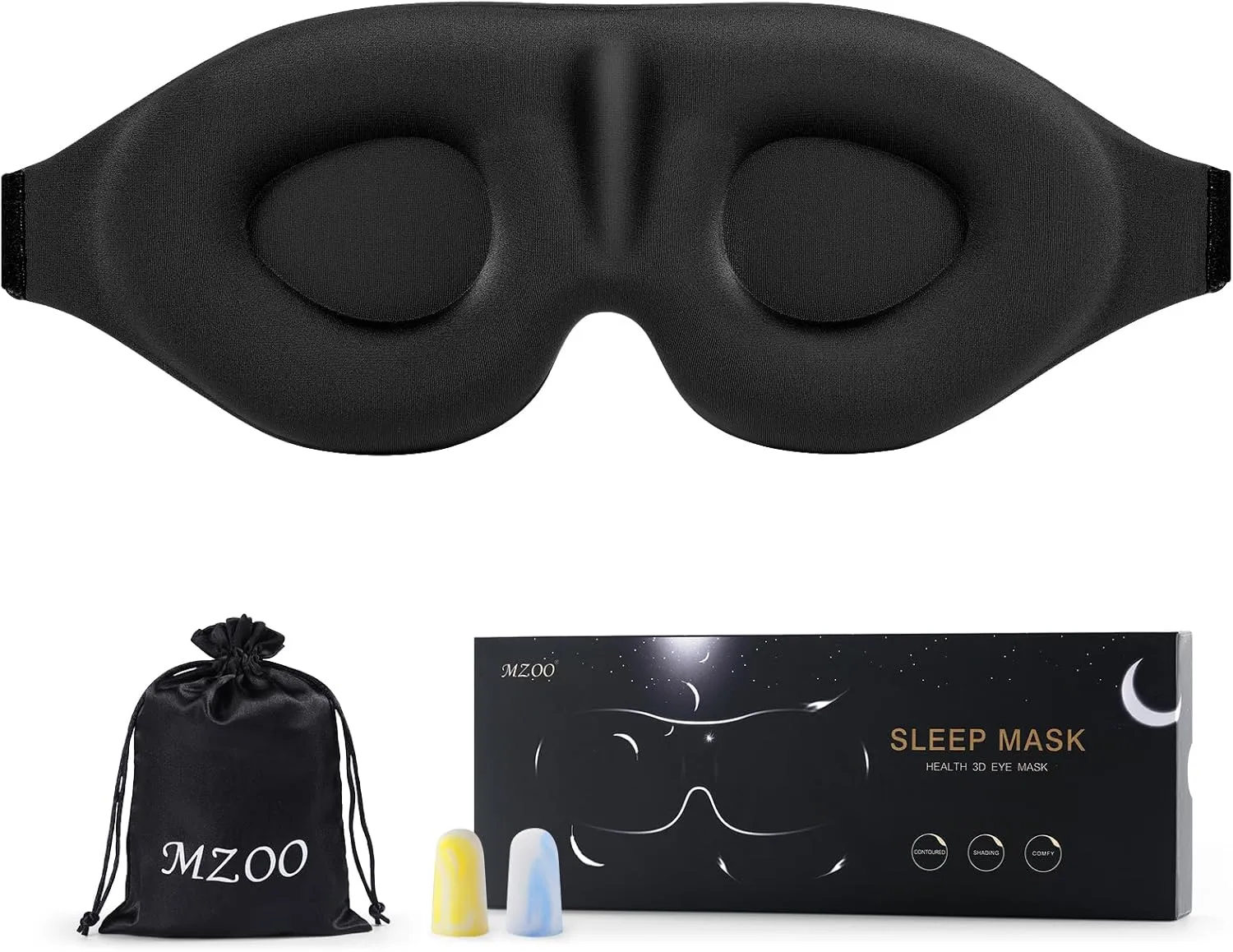
Mzoo 3D Contoured Sleep Mask
Zero eye pressure. Blocks 100% light. Works in any sleep position.
View on Amazon →#ad · Paid link · Price may vary
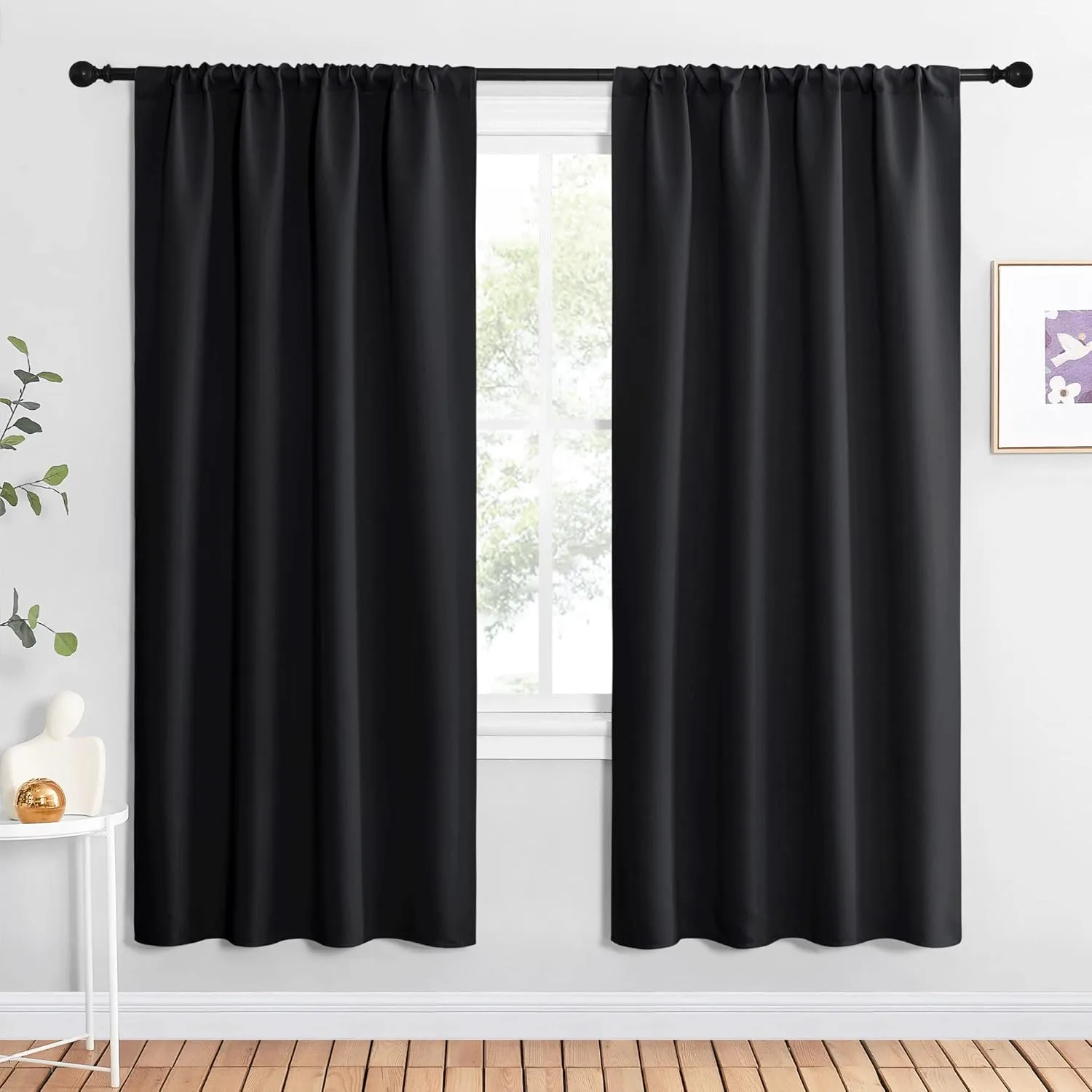
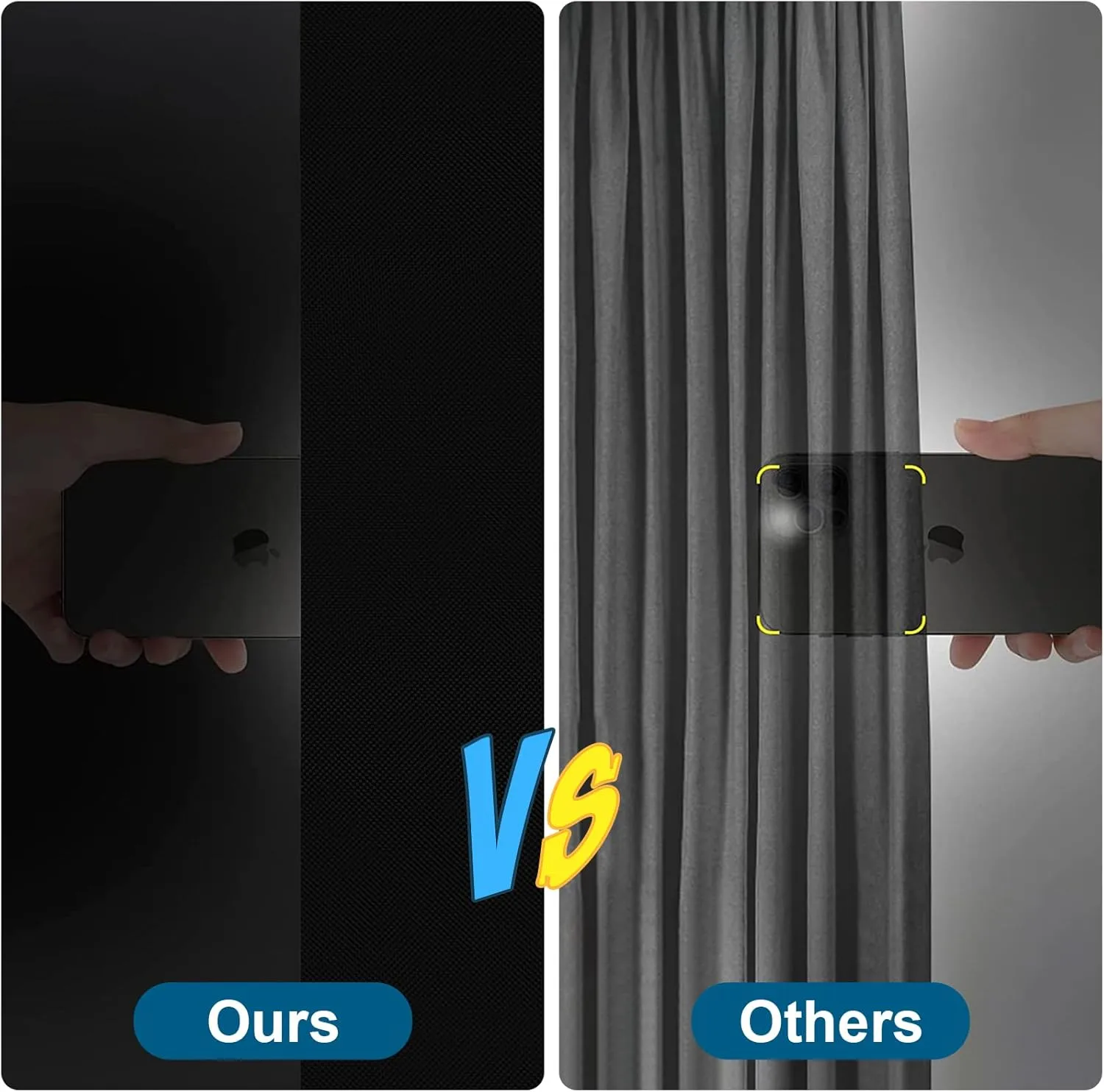
NICETOWN Blackout Curtains
Triple-weave fabric. Blocks 99% daylight. Multiple sizes and colors.
View on Amazon →#ad · Paid link · Price may vary
Blackout Window Film (No-Drill)
Renter-friendly. No damage. Total daytime darkness for any window.
View on Amazon →#ad · Paid link · Price may vary
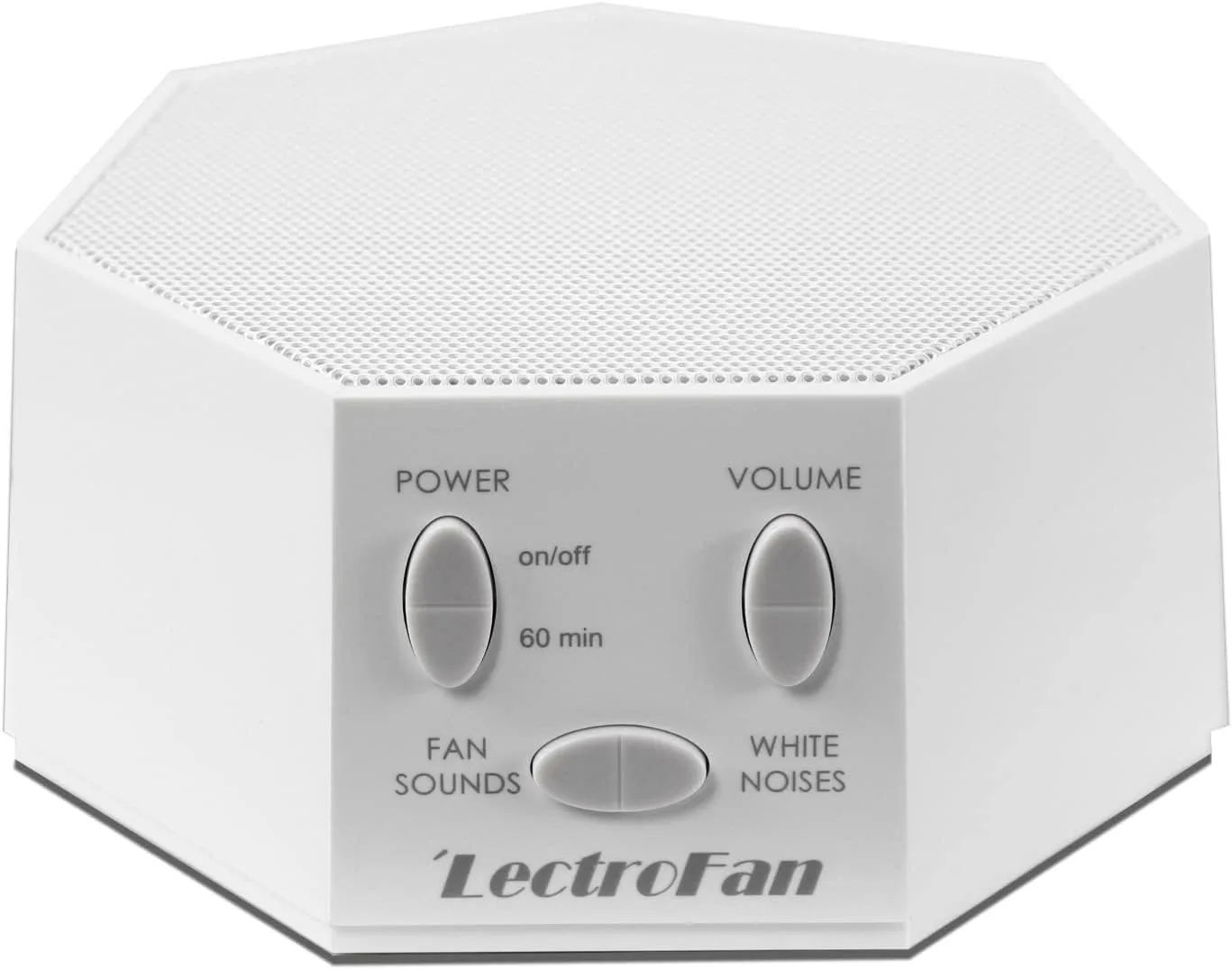
LectroFan White Noise Machine
20 non-looping sounds. Masks doorbell, traffic, and household noise perfectly.
View on Amazon →#ad · Paid link · Price may vary
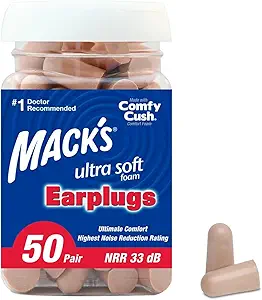
Mack’s Ultra Soft Foam Earplugs 50-pair
NRR 33. Best passive noise block available for daytime sleeping.
View on Amazon →#ad · Paid link · Price may vary
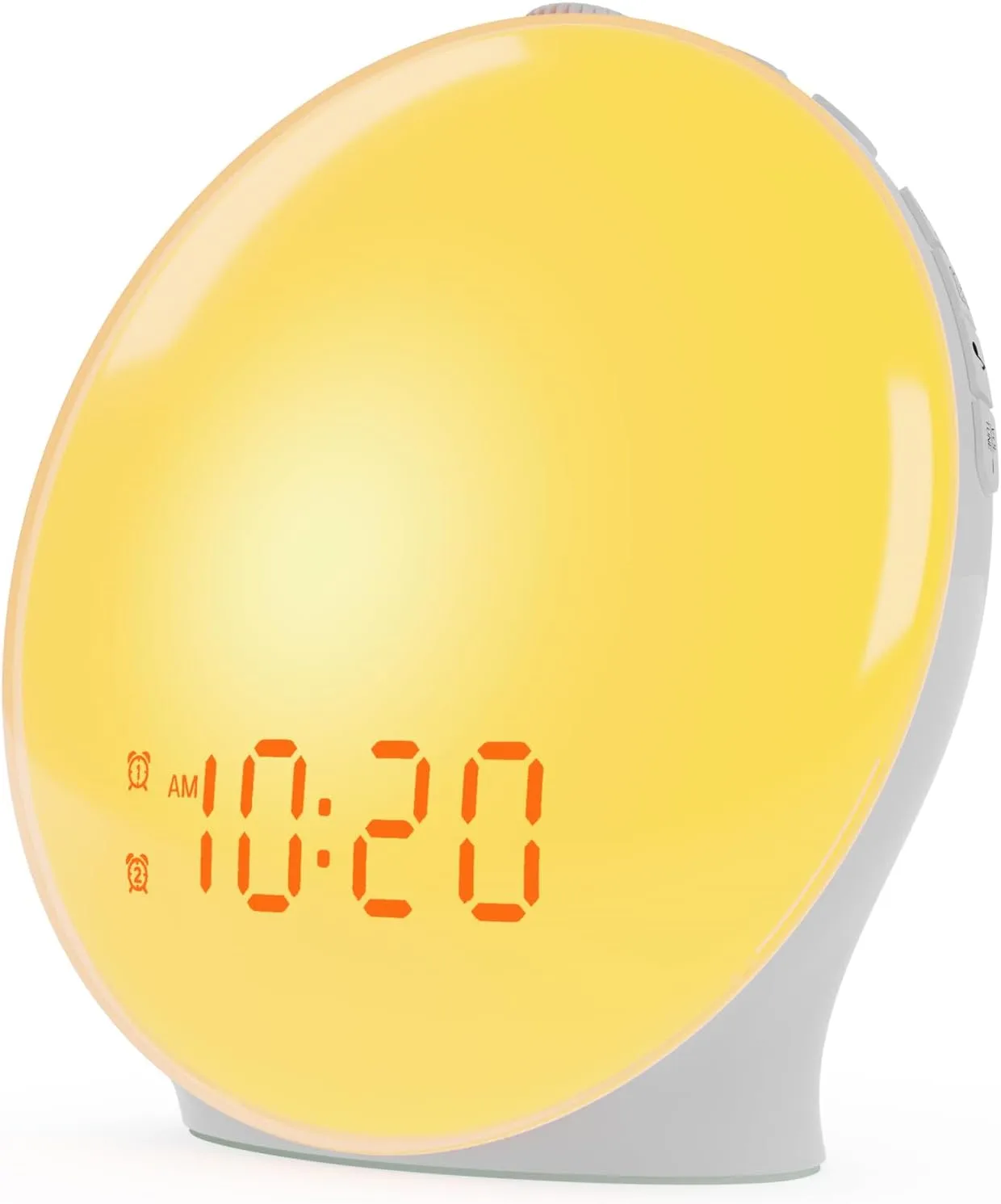
Sunrise Alarm Clock with Light Therapy
Gradual wake-up light — far gentler on the circadian system than a blaring alarm.
View on Amazon →#ad · Paid link · Price may vary
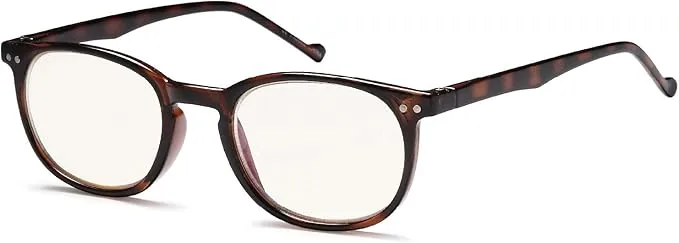
GAMMA RAY Blue Light Blocking Glasses
Wear on the commute home. Reduces light-triggered alertness before bed.
View on Amazon →#ad · Paid link · Price may vary
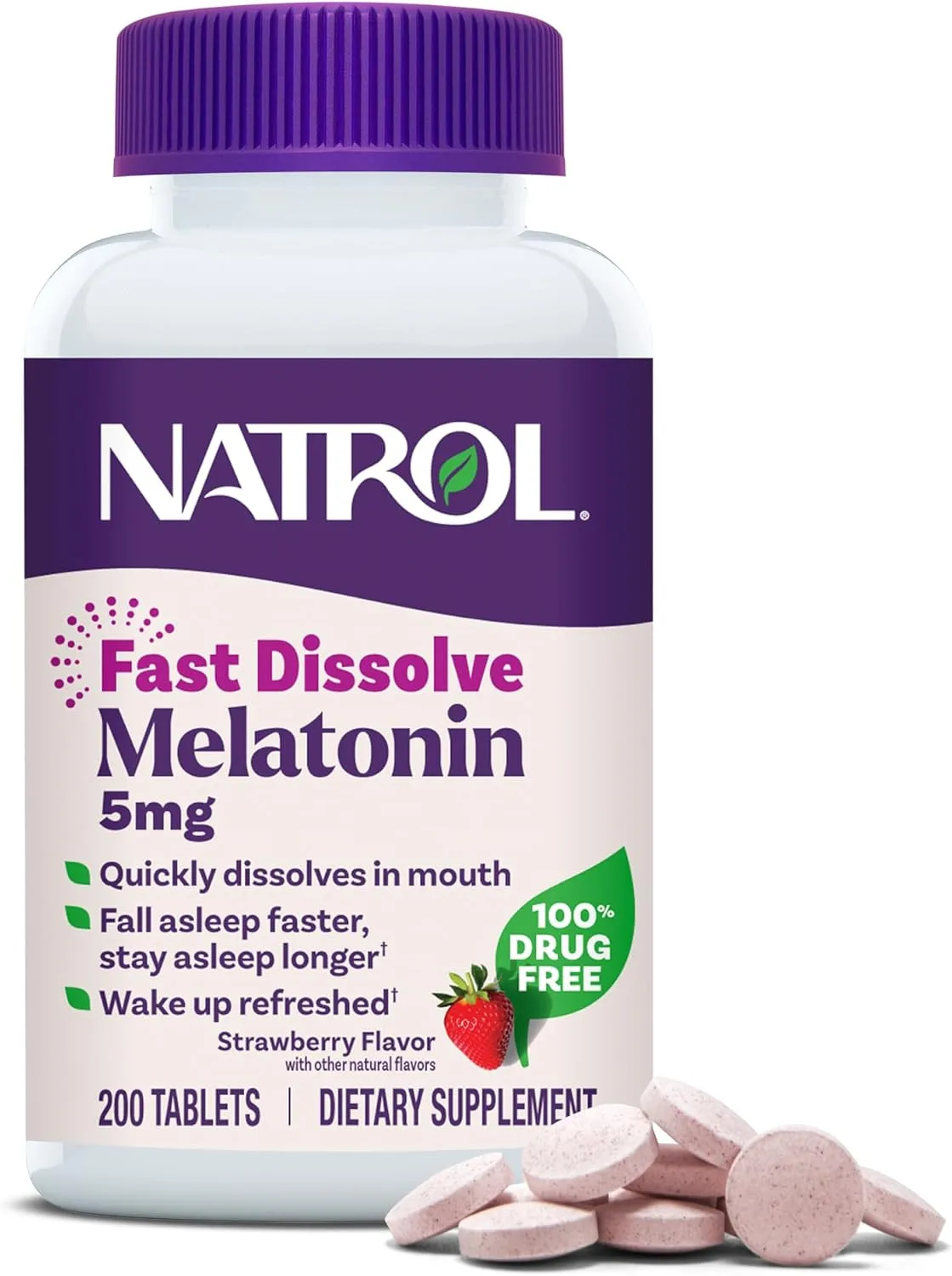
Natrol Melatonin 5mg Fast Dissolve
Helps shift workers reset sleep timing on transition days between blocks.
View on Amazon →#ad · Paid link · Price may vary

Doctor’s Best Magnesium Glycinate 200mg
Supports relaxation and muscle recovery after long physical night shifts.
View on Amazon →#ad · Paid link · Price may vary

Cooling Mattress Pad (Breathable Fiber)
Lowers body temperature for daytime sleep in warm rooms or climates.
View on Amazon →#ad · Paid link · Price may vary
Scroll up, pick a preset, and calculate your personalized night shift sleep schedule now.