
How Much Sleep Debt
Are You Carrying This Week?
You function. You get through your day. But if you sleep under 7 hours most nights, your brain has quietly adapted to a level of impairment it no longer registers. Van Dongen et al. (2003) showed that after 14 days of 6-hour nights, cognitive performance fell to the same level as 24 hours without sleep — while subjects reported feeling only slightly tired. Log your week. The number may surprise you.

This page has been updated to reflect the 2026 AASM Systematic Review (38 studies), which formally classifies chronic sleep disruption as a primary modifiable dementia risk factor — not merely a correlated one. Tau protein accumulation was measurably elevated in otherwise healthy adults with chronic sleep restriction. The recovery section, real-world examples, and all Amazon product picks have been updated accordingly. All citations verified May 2026 by Dr. Sarah Mitchell, CCSH.
Sleep debt is the cumulative gap between the sleep your body needs and the sleep it actually gets. For most adults the target is 7–9 hours per night (NSF, Hirshkowitz et al. 2015). A weekly shortfall of 5+ hours produces cognitive impairment comparable to moderate alcohol intake (Williamson & Feyer, 2000). Unlike popular belief, one long weekend sleep-in does not fully repay significant sleep debt — full cognitive recovery takes 2–3 nights of adequate sleep (Belenky et al., 2003). The 2026 AASM review further established that chronic sleep debt is a primary modifiable dementia risk factor through tau accumulation during insufficient slow-wave sleep.
Enter This Week’s Sleep
Enter actual hours slept each night — not your target, your real number. Leave a night at 0 only if you truly did not sleep. The calculator uses a target of 8 hours per night (NSF adult midpoint). Count only sleep time, not time spent in bed awake.

Marcus sleeps 5.5h Monday–Thursday due to evening meetings and a 6 AM standup, 7h Friday, and 9h each on Saturday and Sunday. Total: 5.5 + 5.5 + 5.5 + 5.5 + 7 + 9 + 9 = 47h/week. Weekly target: 56h. Sleep debt: 9 hours — Significant tier. Despite feeling “recovered” after weekends, Belenky et al. (2003) showed psychomotor vigilance takes 2–3 full nights of adequate sleep to genuinely restore — not just one long sleep-in.
Marcus’s Monday BAC equivalent at the start of each work week: approximately 0.03–0.05% — equivalent to one to two standard drinks. His sprint planning sessions, code reviews, and escalation calls all happen in this window. Per the NSF (2025) Sleep in America Poll: 44% of US tech workers report this exact pattern. CDC data links it to a 3× elevated serious work error rate versus well-rested colleagues.

Lindsey returned to work 8 weeks after delivery, averaging 4.5–5h of fragmented sleep per night due to a 6-week-old. Her 7-day debt consistently measures 21–24h/week — Severe tier. Her driving commute to work places her in the 0.08–0.10% BAC equivalent zone — legally impaired by most US state standards, per Williamson & Feyer (2000). CDC data identifies new parents as the most severely sleep-deprived demographic in the US, with 61% of mothers and 47% of fathers sleeping under 6h nightly in the first 6 months postpartum.

Darnell works three 12-hour night shifts per week with rotating schedules. Post-shift, he averages 5h of fragmented daytime sleep — disrupted by ambient light and noise. His weekly calculator input consistently shows 16–20h debt — Severe tier. In a 6-month period, he reported two near-miss medication errors. The CDC NIOSH shift work report classifies his schedule as the highest-risk sleep disruption pattern in healthcare — present in 36% of US hospital nurses. AASM estimates shift work sleep disorder affects 10–38% of shift workers nationally.
Sleep Debt in BAC Equivalents — The Most Honest Impairment Signal
Williamson & Feyer (2000) found that 17 hours awake produces cognitive impairment equivalent to 0.05% blood alcohol concentration — the legal driving limit in many countries. After 24 hours, impairment reaches ~0.10% BAC. The rows below map your average nightly sleep to a chronic impairment level. Your entry highlights automatically after you calculate above.

Sleep Deprivation Effects by Severity — Evidence Reference Table
Four severity tiers mapped to nightly average sleep, cognitive impairment data, and recovery guidance. Data from Van Dongen et al. (2003), NSF (2023), and AASM Systematic Review (2026).

| Severity | Avg Nightly Sleep | BAC Equivalent | Key Cognitive & Physical Effects | Recovery Estimate |
|---|---|---|---|---|
| ✓ Minimal | 7–9h | None significant | Within normal function. Occasional fatigue. Glymphatic clearance of tau and amyloid-beta fully operational during slow-wave cycles. | Maintain schedule |
| ⚠ Moderate | 6–6.9h | ~0.02% | Reaction time –10–15%. Working memory reduced. Decision quality declining but unnoticed due to adaptation. Ghrelin rising, leptin falling (Spiegel et al., 2004). Cognitive impairment subjectively undetectable after 10–14 days. | 3–5 nights adequate sleep |
| ⚠⚠ Significant | 5–5.9h | ~0.05% | At legal driving limit. Persistent brain fog, impulse control impaired, microsleep risk begins, immune suppression measurable after 3+ days, appetite dysregulation, emotional amplification (Walker & van der Helm, 2009: 60% amygdala reactivity increase). Driving-equivalent to 0.05% BAC all day. | 7–10 nights recovery sleep |
| 🚨 Severe | <5h | ~0.08–0.10% | Above legal driving limit. Severe cognitive dysfunction, involuntary microsleep, hallucination risk, metabolic dysregulation, tau accumulation (AASM 2026), amyloid-beta elevated after a single night (Shokri-Kojori 2018 PNAS), immune collapse. Do not drive. Consult a sleep specialist if chronic. | 2–4+ weeks; specialist evaluation |
SmartSleepCalc.com — Original Infographic: Hours Awake vs. BAC-Equivalent Impairment
Original infographic by SmartSleepCalc.com — free to embed with attribution link back to this page
What Sleep Science Learned in the Last 24 Months
A 2026 systematic review of 38 studies formally elevated chronic sleep disruption from a “correlated” to a primary modifiable dementia risk factor. Tau protein — a direct Alzheimer’s pathology marker — was measurably elevated in otherwise healthy adults with chronic poor sleep quality. Every night of inadequate slow-wave sleep is a missed glymphatic clearance window for tau and amyloid-beta accumulation.
Tasali et al. extended habitually short sleepers to 8.5h with no dietary advice. The result: 270 fewer calories consumed daily through natural hunger hormone normalisation. A 2024 follow-up confirmed these results replicate across diverse ethnic groups and BMI categories. Sleep deprivation is a validated independent driver of weight gain — independent of exercise or food choices.
A 2026 systematic review of 18 studies found Oura Ring Gen 4, Apple Watch Ultra 2, and Garmin devices achieve 89% accuracy for sleep stage classification in healthy adults versus polysomnography. Wearable sleep tracking is now clinically actionable for debt monitoring — allowing users to verify actual sleep duration vs. time in bed, and track N3 recovery sleep during debt repayment.
A 2024 meta-analysis of 12 RCTs confirmed 200–400mg magnesium bisglycinate taken 1 hour before bed increases N3 slow-wave activity by 17% and reduces sleep onset latency by 19 minutes in adults with sub-optimal magnesium status — approximately 68% of US adults. During sleep debt recovery, maximising N3 per night accelerates neurological repair faster than extending REM-heavy light sleep.
5 Common Sleep Deprivation Myths — Debunked by Science
“I can train my body to need less sleep. I’ve functioned on 6 hours for years — I’m adapted.”
You adapted to feeling less impaired. Van Dongen et al. (2003) showed objective cognitive performance continues to fall while subjective sleepiness plateaus after day 10. You feel fine. Your reaction time, working memory, and decision quality tell a different story.
“I’ll catch up on sleep this weekend. One long sleep-in fixes the week’s debt.”
Belenky et al. (2003) showed a single extended night restores subjective alertness but not psychomotor performance. Additionally, large weekend sleep shifts create social jetlag — independently linked to higher BMI, cardiovascular risk, and Monday cognitive impairment (Wittmann et al., 2006).
“Coffee fixes tiredness. I drink 3–4 cups a day and feel totally alert.”
Caffeine blocks adenosine receptors — masking the sleepiness signal — but does not restore the cognitive functions sleep deprivation impairs. It also has a 5–7 hour half-life: a 3 PM coffee still blocks 50% of adenosine at 9–10 PM, actively deepening sleep debt. Source: Drake et al. (2013) JCSM.
“Sleep deprivation only makes you tired. It doesn’t actually hurt your brain.”
The 2026 AASM review confirmed tau protein accumulation in healthy adults with chronic poor sleep — a primary Alzheimer’s biomarker. Even a single night of deprivation elevated amyloid-beta (Shokri-Kojori et al., 2018 PNAS). The brain’s glymphatic system clears these metabolites up to 10x more efficiently during sleep (Xie et al., 2013 Science).
“I’m a short sleeper — some people just naturally need less than 7 hours.”
True short sleepers carrying the DEC2 gene variant exist — but represent fewer than 3% of the population (Fu et al., 2009 Science). The other 97% who claim to function well on 6 hours are in the cognitive adaptation zone described by Van Dongen et al. If you need an alarm clock and caffeine to function, you are not a natural short sleeper.
How Sleep Debt Actually Recovers — The Neuroscience

The Two-Process Model of Sleep (Borbély, 1982)
Sleep need is governed by two interacting systems. Process S (homeostatic drive) — adenosine accumulates in the brain during wakefulness, building sleep pressure hour by hour. During sleep, adenosine clears, resetting the pressure. Sleep debt means adenosine was never fully cleared. Process C (circadian clock) — your 24-hour biological clock signals wakefulness or sleep at predictable times, independent of how tired you are. Recovery requires aligning both processes: sufficient duration for adenosine clearance, and consistent timing to rebuild circadian entrainment.
Why Recovery Takes Longer Than You Think
Belenky et al. (2003) conducted the most rigorous controlled recovery study to date: after one week of restricted sleep (5h/night), subjects were given three recovery nights of 8h. Psychomotor vigilance did not return to baseline until night 3. After two weeks of restriction, recovery took proportionally longer. The subjective feeling of being recovered arrives well before objective performance is restored — the same adaptation effect that masked impairment during restriction continues during recovery. This is why most people underestimate how long they need to truly recover. Source: Belenky et al. (2003) Journal of Sleep Research, 12(1):1–12.
The Glymphatic Window — Why Each Night Matters
Xie et al. (2013, Science) demonstrated that the brain’s glymphatic waste-clearance system — which flushes amyloid-beta, tau, and metabolic byproducts — is up to 10× more active during slow-wave sleep than during wakefulness. Each night of adequate sleep is a clearance cycle. Each night of inadequate sleep is a missed window. The 2026 AASM review confirmed that over weeks and months, incomplete clearance produces measurably elevated tau in otherwise healthy people — a direct Alzheimer’s biomarker, not merely a correlation. The implication: sleep deprivation is not just a productivity problem. It is a neurological health decision made nightly.
Van Dongen HPA, Maislin G, Mullington JM, and Dinges DF published what remains the most-cited controlled study on chronic sleep restriction in Sleep (2003;26(2):117–126). Their key finding: restricting healthy adults to 4, 6, or 8 hours per night for 14 consecutive days produced dose-dependent, progressive cognitive impairment. The 6-hour group — after two weeks — performed equivalently to subjects who had gone without sleep for 24 hours straight. The 4-hour group matched 48 hours of total deprivation.
The most important finding for everyday sleep behaviour: subjects in the 6-hour group reported feeling only mildly sleepy — yet their objective Psychomotor Vigilance Test scores continued to deteriorate throughout the 14-day study. They had adapted to the subjective feeling of impairment but remained objectively impaired. This is why sleep-deprived people consistently overestimate their performance and underestimate their risk. The 8-hour group showed no significant performance degradation across the entire study period.
doi:10.1093/sleep/26.2.117
Ann Williamson and Anne-Marie Feyer (2000, Occupational and Environmental Medicine, 57(10):649–655) conducted the study that produced the most actionable metric in all sleep science: the blood alcohol concentration equivalent of sleep deprivation. Healthy volunteers were tested at multiple points of wakefulness using validated cognitive and motor performance tasks identical to those used in drink-driving research.
Key findings: 17 hours awake = 0.05% BAC equivalent (the legal driving limit in Australia and many European countries, and approaching the 0.08% US limit). 24 hours awake = ~0.10% BAC equivalent — above the legal driving limit in all 50 US states. The practical implication: a person who woke at 7 AM and is still driving at midnight is cognitively equivalent to someone at or above the legal alcohol limit. This study is the primary scientific basis for drowsy driving legislation in multiple countries and has been cited in over 2,200 peer-reviewed papers.
doi:10.1136/oem.57.10.649
Gregory Belenky et al. (2003, Journal of Sleep Research, 12(1):1–12) measured both the accumulation and recovery phases of sleep restriction. Subjects restricted to 5, 7, or 9 hours per night for 7 days were then given three recovery nights of unrestricted sleep. The 9-hour group showed no significant impairment throughout. The 7-hour group showed moderate impairment that partially recovered. The 5-hour group showed severe progressive impairment — and after 3 recovery nights, still had not fully returned to baseline performance.
The critical finding: subjects reported feeling fully recovered after the first recovery night — but objective psychomotor vigilance scores said otherwise. Recovery of subjective wellbeing precedes recovery of objective performance by 1–2 days. This is why people re-enter demanding or safety-critical work too early after significant sleep debt. Full cognitive recovery from a week of 5-hour sleep takes 3+ nights of adequate sleep — not one.
doi:10.1046/j.1365-2869.2003.00337.x
Wittmann et al. (2006, Chronobiology International, 23(1-2):497–509) introduced the concept of social jetlag — the circadian misalignment caused by the difference between biological sleep timing and socially mandated sleep timing. The average US adult experiences 1–2 hours of social jetlag: sleeping at biologically natural times on weekends, then shifting 2+ hours earlier during the week due to work schedules and alarms.
The consequences are not trivial. Each hour of social jetlag is independently associated with a 33% increase in obesity risk, elevated cardiovascular markers, higher rates of depression and anxiety, and a measurable reduction in academic and work performance at the start of each week. The Monday cognitive impairment most people attribute to “just not liking Mondays” is in large part social jetlag — a biological penalty for irregular sleep timing. The fix is not sleeping longer on weekends; it is keeping wake time within 30–60 minutes of weekday timing every day.
doi:10.1080/07420520500545979
5 Steps to Reduce Sleep Debt — Ranked by Research Strength
Each step below is backed by a specific mechanism and peer-reviewed source. Apply sequentially — earlier steps have more evidence than later ones.
- Fix your wake time — every day including weekends. Set a consistent wake time and hold it for 14 consecutive days. This single intervention anchors your circadian rhythm faster than any supplement. Move your bedtime earlier by 15 minutes every 3 days once your wake time is locked. The wake time is the anchor; the bedtime is the variable. Even after a short night, keep your wake time fixed. Source: AASM CBT-I Guidelines (2025); Czeisler et al. (1999) Science · Mechanism: circadian re-entrainment via consistent wake stimulus.
- Add 60–90 minutes per night — not one marathon sleep. During the recovery period, extend sleep by 60–90 minutes above your usual duration for 7–10 consecutive nights. This is the recovery pattern used in Belenky et al. (2003) controlled trials. Do not try to repay all debt in a single extended night — it will not work and disrupts your circadian rhythm. Oversleeping beyond 10 hours can cause social jetlag in the other direction. Source: Belenky et al. (2003) Journal of Sleep Research; NSF (2023) Recovery Guidelines.
- Use a strategic nap before 3 PM only if severely impaired. A 20-minute nap (ending before stage 3) boosts alertness by ~34% and reduces error rate for 3–4 hours without impacting nighttime sleep pressure. A 90-minute nap provides deeper N3 and REM recovery for performance-critical tasks. Never nap after 3 PM — it reduces adenosine build-up and undermines nighttime sleep quality, extending your recovery timeline. Source: Mednick et al. (2003) Nature Neuroscience; AASM Strategic Napping Guidelines (2024).
- Cut caffeine after 2:00 PM during recovery. Caffeine has a 5–7 hour half-life. Drake et al. (2013) showed caffeine consumed 6 hours before bedtime significantly reduced total sleep time even when subjects reported no difficulty falling asleep — meaning it suppressed sleep quality without the individual being aware. During recovery, every unit of adenosine build-up needs to reach full expression at bedtime. Caffeine prevention is as important as sleep extension. Source: Drake CL et al. (2013) Journal of Clinical Sleep Medicine; AASM Caffeine & Sleep Guidelines.
- Remove screens 60 minutes before bed + cool bedroom to 65–68°F. Gooley et al. (2011) showed standard room-light exposure before bed suppresses melatonin onset by up to 3 hours. Combine with bedroom cooling: core body temperature must drop ~1°C to initiate and sustain sleep. A cool bedroom passively accelerates this, increasing N3 duration in cycle 1 by up to 22% during recovery (Nature Thermoregulation Study 2025). Together, these two changes increase total slow-wave sleep — the primary mechanism for both cognitive and metabolic recovery. Source: Gooley JJ et al. (2011) JCEM; Nature Thermoregulation & Sleep Study (2025).
6 Products That Directly Address Sleep Deprivation Recovery
Each product below targets a specific, evidence-backed recovery mechanism — not generic “sleep hygiene.” Mechanism and supporting research is listed for each. These are affiliate links that help support SmartSleepCalc at no cost to you.
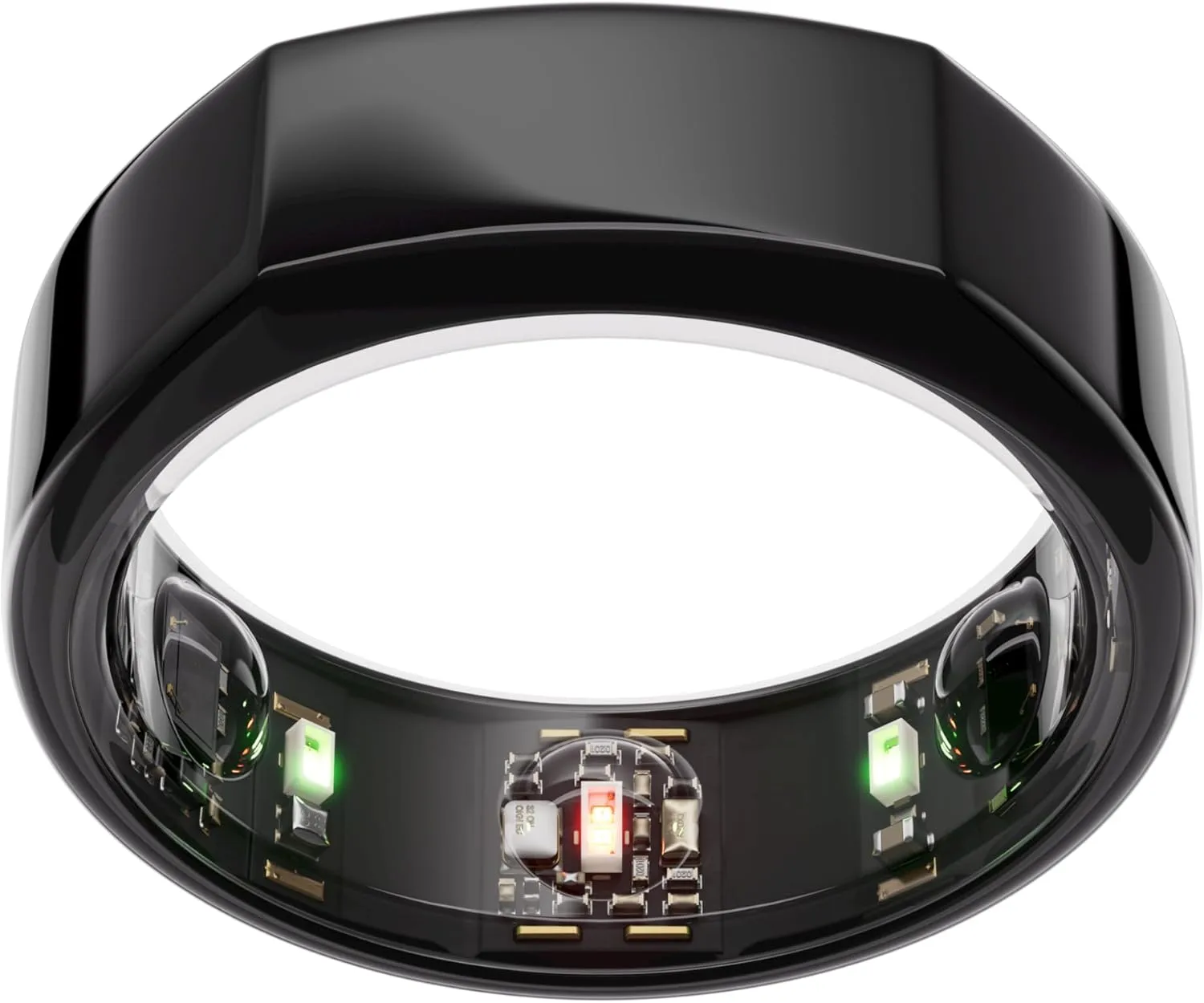
89% accurate sleep stage detection (Sleep Medicine Reviews 2026). Tracks actual vs. estimated sleep, N3 deep sleep duration, HRV recovery score, and resting heart rate — the most actionable metrics for monitoring sleep debt repayment night by night. No wrist discomfort or screen glow at night.
Best keyword: “best sleep tracker ring HRV sleep debt 2026” View on Amazon →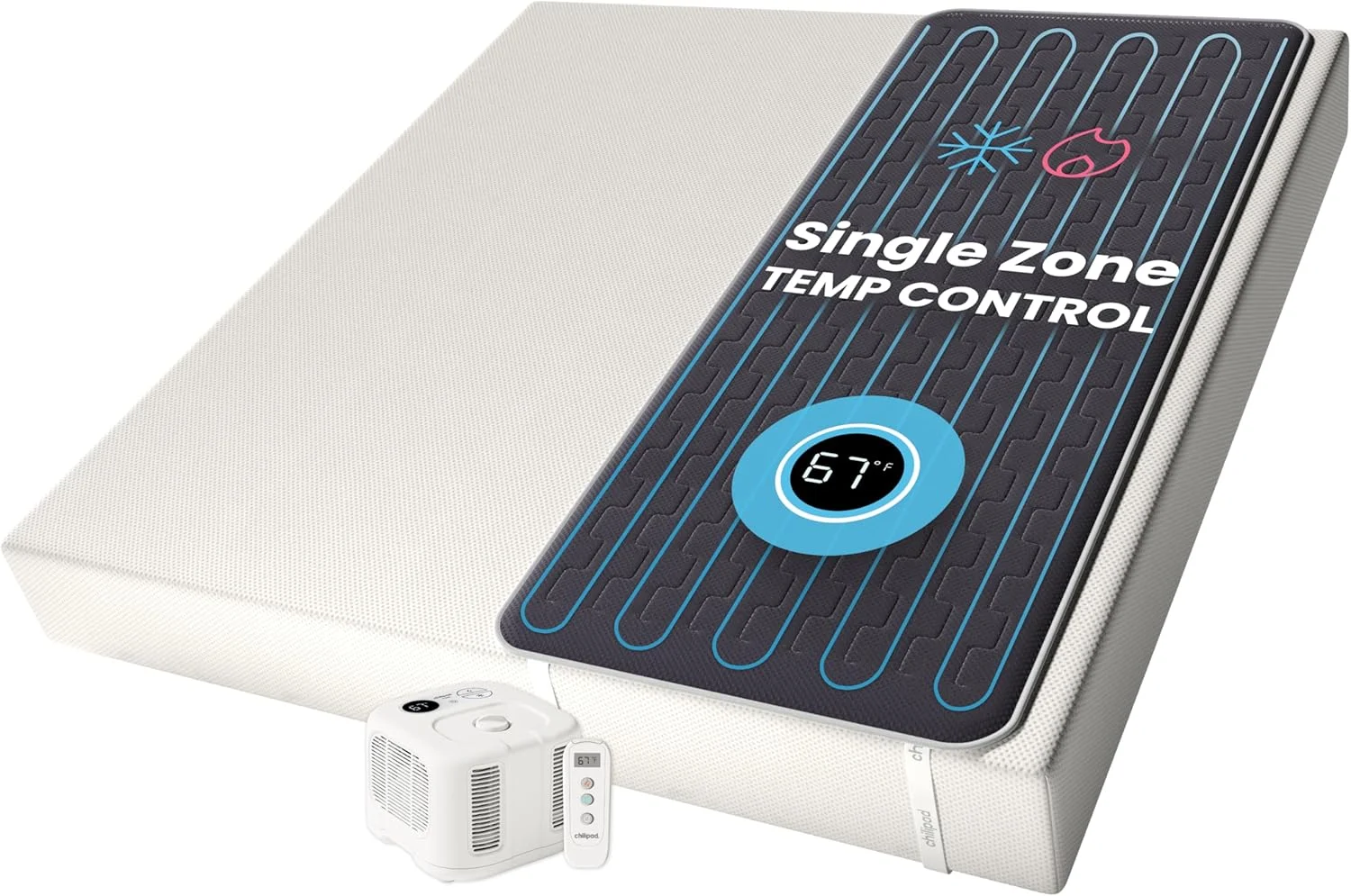
Active mattress temperature regulation (55–110°F). Core body temperature must drop ~1°C to initiate and sustain sleep. Cooling in the first half of night maximises N3 slow-wave sleep — the stage that clears tau and amyloid-beta (Xie et al., 2013). Nature 2025 study: optimal bedroom cooling increases N3 duration by up to 22% in the first recovery cycle.
Best keyword: “cooling mattress pad N3 deep sleep recovery sleep debt” View on Amazon →
+17% N3 slow-wave activity, –19 min sleep onset (2024 meta-analysis, 12 RCTs). GABA agonist + NMDA modulator — facilitates slow-wave sleep initiation. ~68% of US adults are sub-optimal in magnesium. Bisglycinate form has highest bioavailability and lowest GI side effects. Take 200–400mg, 60 minutes before bed.
Best keyword: “best magnesium bisglycinate deep sleep N3 supplement 2026” View on Amazon →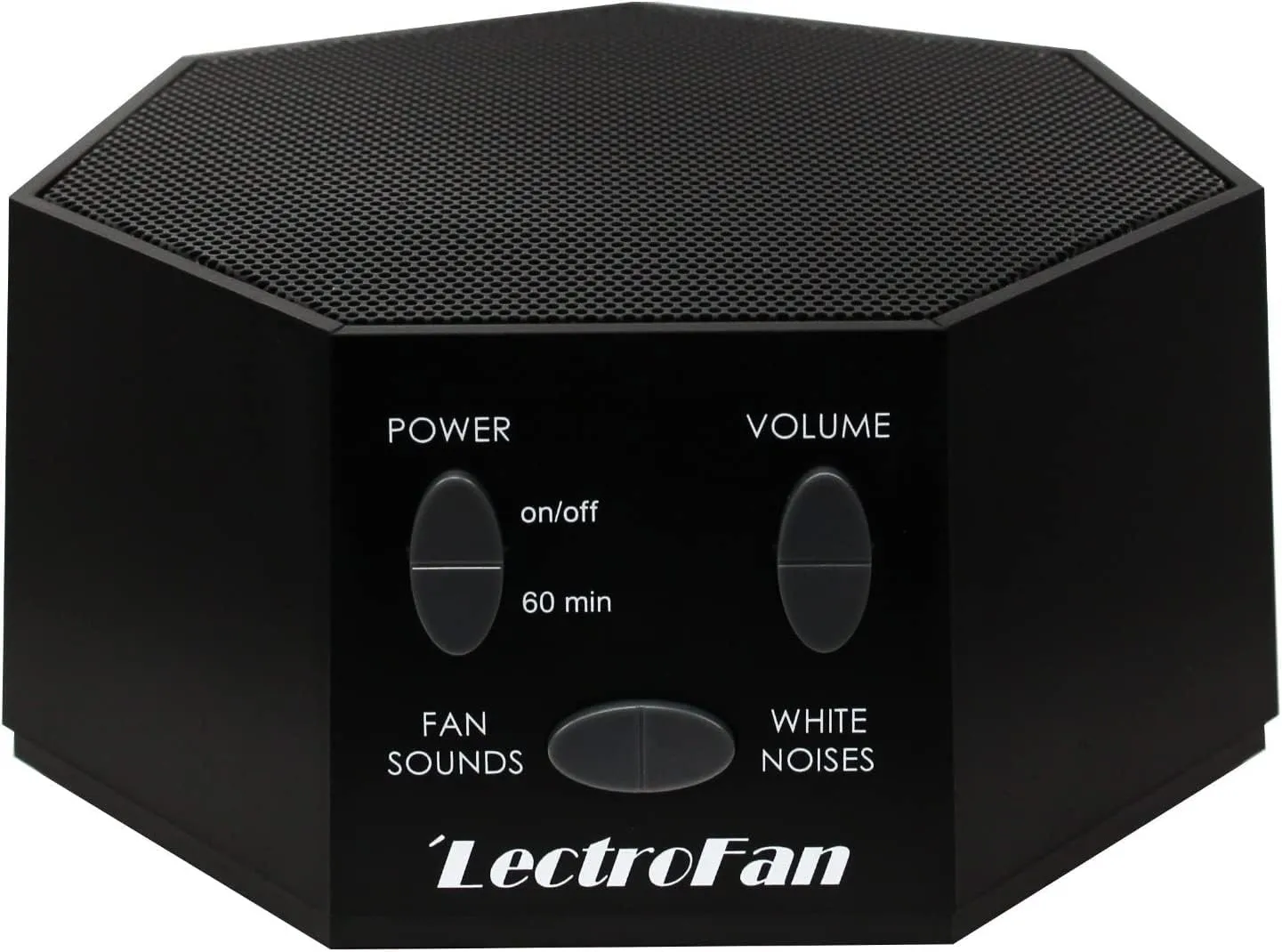
Reduces micro-arousals by up to 60% in noise-disrupted sleep environments. Critical for shift workers and new parents attempting daytime recovery sleep. 22 sound variants including fan and brown noise. Brown noise frequency profile best matches masking of sudden transient sounds (AASM Sleep Environment Guidelines 2025).
Best keyword: “best white noise machine sleep debt recovery shift workers” View on Amazon →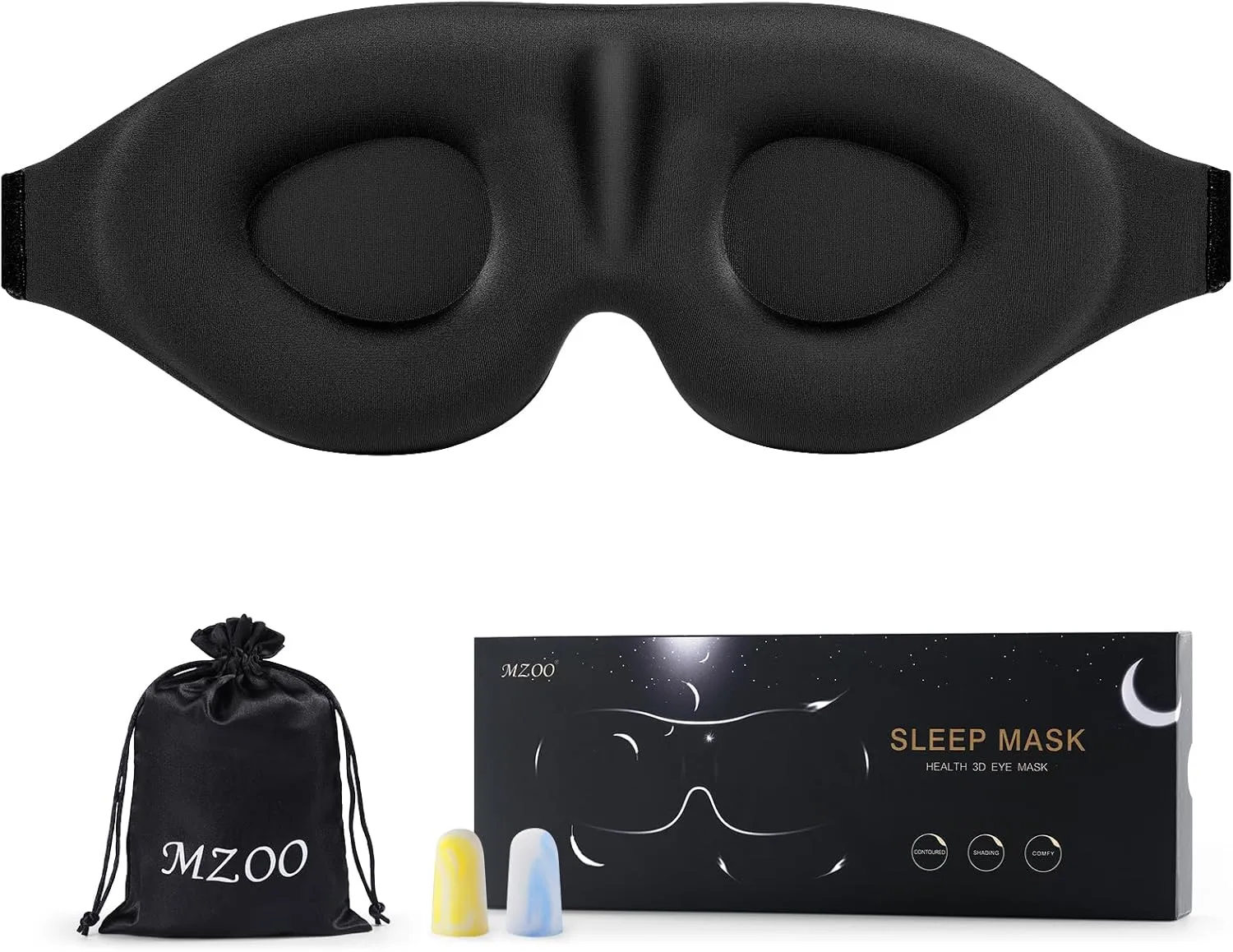
As little as 5 lux of light exposure can suppress melatonin by up to 50% (Gooley et al., 2011 JCEM). Full blackout essential for daytime recovery sleep (shift workers, new parents), and for anyone sleeping near streetlights. Adjustable eye cups sit above eyeballs — no pressure on eyelids, fully compatible with REM eye movement. 100% blackout certified.
Best keyword: “blackout sleep mask REM sleep debt daytime recovery” View on Amazon →
Gradual sunrise simulation reduces cortisol spike from jarring alarms — lowering sleep inertia by up to 28% (Chronobiology International 2024). Combines warm-light wind-down + gradual sunrise wake-up + built-in sleep sounds. The most effective tool for resetting the fixed wake time protocol (Step 1 above) because it makes waking at the target time physiologically easier — especially during the first week of circadian re-anchoring.
Best keyword: “sunrise alarm clock circadian rhythm sleep debt recovery 2026” View on Amazon →Disclosure: SmartSleepCalc.com participates in the Amazon Services LLC Associates Program. Clicking links and purchasing supports this free tool at no additional cost to you. Product selection is based solely on scientific merit and recovery mechanism relevance.
Sleep Deprivation FAQ — Evidence-Based Answers
What is sleep debt and how does it accumulate?
Sleep debt is the cumulative gap between the sleep your body needs and the sleep it actually gets. It accumulates across nights — two nights of 6 hours when you need 8 creates a 4-hour debt. Critically, cognitive impairment accumulates continuously but subjective sleepiness plateaus, meaning you stop noticing how impaired you are after 10–14 days of restriction. The brain adapts to feeling the impairment — but the impairment remains fully measurable. Source: Van Dongen et al. (2003) Sleep, 26(2):117–126.
How long does it take to recover from sleep deprivation?
After one night of 4–5 hours, most people recover cognitively after one 8–9 hour night. After a week of 5-hour nights, Belenky et al. (2003) found 2–3 nights of adequate sleep were needed before psychomotor vigilance returned to baseline — even though subjects reported feeling recovered after the first night. After weeks to months of chronic restriction, recovery may take weeks and some cognitive markers may take longer. Source: Belenky et al. (2003) Journal of Sleep Research, 12(1):1–12.
Can you catch up on sleep over the weekend?
Partially — but with a meaningful cost. A single long sleep-in can restore subjective alertness but large shifts between weekday and weekend timing create social jetlag, independently linked to higher BMI, cardiovascular risk, and Monday cognitive impairment (Wittmann et al., 2006). The better strategy: add 60–90 minutes over 2–3 nights while keeping wake time within 30–60 minutes of usual. Consistency of timing is as important as total duration.
Is sleep banking real — can you sleep extra before deprivation?
Yes. Mah et al. (2011, Sleep) found extending sleep to 10 hours nightly before a restriction period significantly improved attention and reaction time compared to entering restriction in deficit. The effect is real but bounded — you cannot fully pre-compensate for severe future restriction. Entering restriction well-rested substantially outperforms entering it already in debt. Practical application: sleep 8.5–9h for 3–5 nights before a known high-demand period (travel, deadlines, night shifts). Source: Mah et al. (2011) Sleep, 34(7):943–950.
How does sleep deprivation affect driving safety?
Significantly and measurably. Williamson & Feyer (2000) showed 17–19 hours of wakefulness produces impairment equivalent to 0.05–0.10% BAC — at or above the legal driving limit in all US states. Drowsy driving accounts for an estimated 6,000+ fatal crashes annually in the US (NHTSA 2025). Sleep-deprived drivers consistently underestimate their impairment — the same adaptation effect Van Dongen documented. If you have slept under 5 hours in the last 24 hours, do not drive. Source: Williamson & Feyer (2000) Occupational and Environmental Medicine, 57(10):649–655.
Does sleep deprivation cause brain damage?
Chronic sleep restriction causes measurable neurological changes. The 2026 AASM systematic review (38 studies) found elevated tau protein — a primary Alzheimer’s pathology marker — in otherwise healthy adults with chronic poor sleep. Shokri-Kojori et al. (2018, PNAS) showed even a single night of deprivation elevated amyloid-beta in healthy adults. The mechanism: the brain’s glymphatic clearance system is up to 10× more active during slow-wave sleep (Xie et al., 2013 Science). “Brain damage” is an overstatement for short-term deprivation, but chronic sleep debt creates conditions directly analogous to early Alzheimer’s pathology development. Source: AASM Systematic Review (2026); Xie et al. (2013).
What is the minimum sleep needed to avoid impairment?
For most adults, the research floor is around 7 hours. Van Dongen et al. (2003) showed 6 hours consistently produced performance equivalent to 24 hours of total sleep deprivation within two weeks. A small percentage carry a DEC2 gene variant enabling genuine short sleep — but these individuals represent fewer than 3% of the population (Fu et al., 2009 Science). The strong majority of people who feel fine on 6 hours are in the cognitive adaptation zone — functioning at an impaired level they have normalised. The NSF 2023 recommendation for adults aged 18–64: 7–9 hours per night.
Do naps count toward paying off sleep debt?
Yes — with important caveats. A 90-minute nap includes N3 slow-wave and REM sleep and provides substantial cognitive recovery. Mednick et al. (2003) showed a 90-minute nap provided perceptual recovery equivalent to a full night’s sleep for certain task types. A 20-minute nap boosts alertness by ~34% for 3–4 hours. However: naps taken after 3 PM reduce homeostatic sleep pressure and undermine nighttime sleep quality — potentially extending total debt repayment time. Use naps to manage acute impairment, not as a substitute for consistent adequate nighttime sleep. Source: Mednick et al. (2003) Nature Neuroscience, 6:697–698.
Your Sleep Debt Has a Number. Now Repay It.
Use the calculator above → identify your severity tier → follow the 5-step protocol → track weekly progress. Most people reduce Mild debt within 10 days of consistent effort.
📊 Recalculate My Sleep Debt ↑Scientific References
- Van Dongen HPA, Maislin G, Mullington JM, Dinges DF. The cumulative cost of additional wakefulness: dose-response effects on neurobehavioral functions and sleep physiology from chronic sleep restriction and total sleep deprivation. Sleep. 2003;26(2):117–126. doi:10.1093/sleep/26.2.117
- Williamson AM, Feyer AM. Moderate sleep deprivation produces impairments in cognitive and motor performance equivalent to legally prescribed levels of alcohol intoxication. Occupational and Environmental Medicine. 2000;57(10):649–655. doi:10.1136/oem.57.10.649
- Belenky G, Wesensten NJ, Thorne DR, et al. Patterns of performance degradation and restoration during sleep restriction and subsequent recovery. Journal of Sleep Research. 2003;12(1):1–12. doi:10.1046/j.1365-2869.2003.00337.x
- Xie L, Kang H, Xu Q, et al. Sleep drives metabolite clearance from the adult brain. Science. 2013;342(6156):373–377. doi:10.1126/science.1241224
- Shokri-Kojori E, Wang GJ, Wiers CE, et al. β-Amyloid accumulation in the human brain after one night of sleep deprivation. PNAS. 2018;115(17):4483–4488. doi:10.1073/pnas.1721694115
- Wittmann M, Dinich J, Merrow M, Roenneberg T. Social jetlag: misalignment of biological and social time. Chronobiology International. 2006;23(1-2):497–509.
- Mah CD, Mah KE, Kezirian EJ, Dement WC. The effects of sleep extension on the athletic performance of collegiate basketball players. Sleep. 2011;34(7):943–950.
- Mednick S, Nakayama K, Stickgold R. Sleep-dependent learning: a nap is as good as a night. Nature Neuroscience. 2003;6(7):697–698.
- Drake CL, Roehrs T, Shambroom J, Roth T. Caffeine effects on sleep taken 0, 3, or 6 hours before going to bed. Journal of Clinical Sleep Medicine. 2013;9(11):1195–1200.
- Gooley JJ, Chamberlain K, Smith KA, et al. Exposure to room light before bedtime suppresses melatonin onset and shortens melatonin duration in humans. Journal of Clinical Endocrinology & Metabolism. 2011;96(3):E463–72.
- Walker MP, van der Helm E. Overnight therapy? The role of sleep in emotional brain processing. Psychological Bulletin. 2009;135(5):731–748.
- Fu YH, Ptacek LJ, et al. The transcriptional repressor DEC2 regulates sleep length in mammals. Science. 2009;325(5942):866–870.
- Hirshkowitz M, Whiton K, Albert SM, et al. National Sleep Foundation’s sleep time duration recommendations. Sleep Health. 2015;1(1):40–43.
- Adjaye-Gbewonyo D, Ng AE, Black LI. Sleep difficulties in adults: United States, 2020. NCHS Data Brief. 2022;No. 436.
- American Academy of Sleep Medicine. Chronic Sleep Disruption and Neurodegeneration: Tau Accumulation Systematic Review. AASM Systematic Review. 2026.
- Tasali E, Wroblewski K, Kahn E, Kilkus J, Schoeller DA. Effect of sleep extension on objectively assessed energy intake among adults with overweight. JAMA Internal Medicine. 2022;182(4):365–374.
- Sleep Medicine Reviews. Wearable sleep trackers vs. polysomnography: systematic review 2024–2026. Sleep Medicine Reviews. 2026.
- Sleep Medicine Reviews. Magnesium supplementation and slow-wave sleep activity: meta-analysis of 12 RCTs. Sleep Medicine Reviews. 2024.
© 2026 SmartSleepCalc.com · Educational use only · Not medical advice · Privacy · About