
Insomnia: Symptoms, Causes, Diagnosis & Treatment
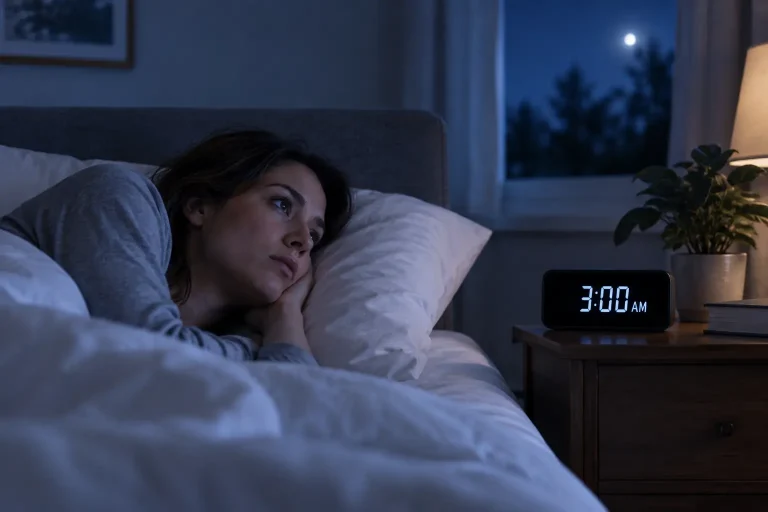
Insomnia means having ongoing trouble falling asleep, staying asleep, or getting good-quality sleep even when you have enough opportunity to sleep. A bad night or stressful week does not automatically mean you have chronic insomnia disorder. Duration, frequency, daytime impact, other health conditions, medications, sleep disorders, and your schedule all matter.
Insomnia is more than simply sleeping fewer hours than you hoped. Clinicians look for difficulty falling asleep, staying asleep, or waking too early despite adequate opportunity for sleep, along with meaningful daytime effects. Short-term insomnia can follow stress, illness, travel, or schedule changes. Chronic insomnia involves a persistent pattern and may need structured treatment such as cognitive behavioral therapy for insomnia (CBT-I).
Insomnia Symptoms vs Insomnia Disorder
Trouble sleeping is a symptom. Insomnia disorder is a clinical diagnosis based on a broader pattern. Common nighttime symptoms include taking a long time to fall asleep, waking repeatedly, waking earlier than intended, or feeling that sleep is poor even when there is enough time and a suitable setting for sleep.
Daytime impact also matters. Poor sleep may leave you tired, irritable, unfocused, less effective at work or school, or worried about the next night. A clinician looks at both the nighttime problem and what it is doing to your daytime life.
A stressful deadline, travel, illness, noise, pain, or an unusual schedule can temporarily disturb sleep without establishing a chronic disorder.
Persistent difficulty despite adequate opportunity for sleep, especially when daytime function is affected, deserves a more structured evaluation.
Short-Term vs Chronic Insomnia
Short-term insomnia may last for days or weeks and often appears around stress, a change in environment, illness, grief, travel, or a disrupted schedule. The sleep problem can be very real even when it has not lasted long enough to meet criteria for chronic insomnia.
NHLBI describes chronic insomnia as sleep difficulty occurring at least three nights a week and lasting three months or longer. The problem also needs to be considered in context: another sleep disorder, medical condition, substance, medication, or schedule issue may better explain what is happening.
| Pattern | Typical context | Useful next step |
|---|---|---|
| Occasional poor sleep | A few difficult nights without a persistent daytime problem | Look for obvious schedule, stress, environment, caffeine, alcohol, pain, or illness changes. |
| Short-term insomnia | Sleep difficulty lasting days or weeks, often around a trigger or disruption | Track the pattern, protect regular sleep opportunity, and review contributors. |
| Possible chronic insomnia | Persistent sleep difficulty at least 3 nights per week for 3 months or longer, with daytime impact | Discuss the pattern with a healthcare professional and ask about evidence-based insomnia treatment such as CBT-I. |
Common Contributors and Other Problems That Can Look Like Insomnia
“I can’t sleep” can have more than one explanation. Insomnia may occur on its own, alongside another condition, or because something else is repeatedly interrupting sleep.
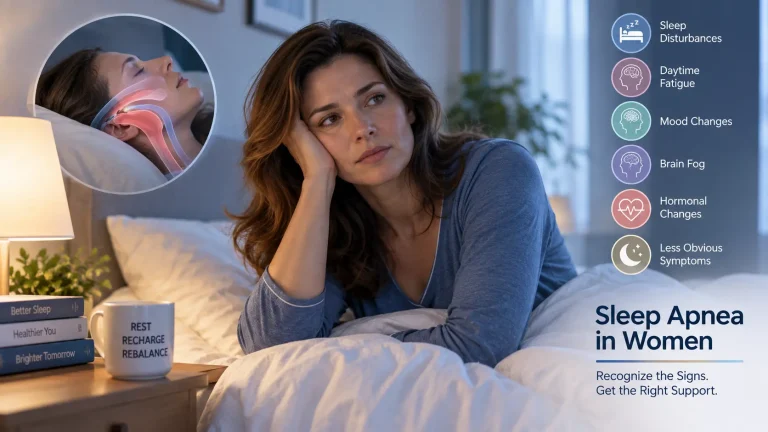
Loud snoring, gasping, witnessed breathing pauses, or repeated awakenings may point toward sleep-disordered breathing rather than insomnia alone.
You may be trying to sleep at a time when your body clock is promoting wakefulness, as can happen with shift work, jet lag, or a delayed sleep schedule.
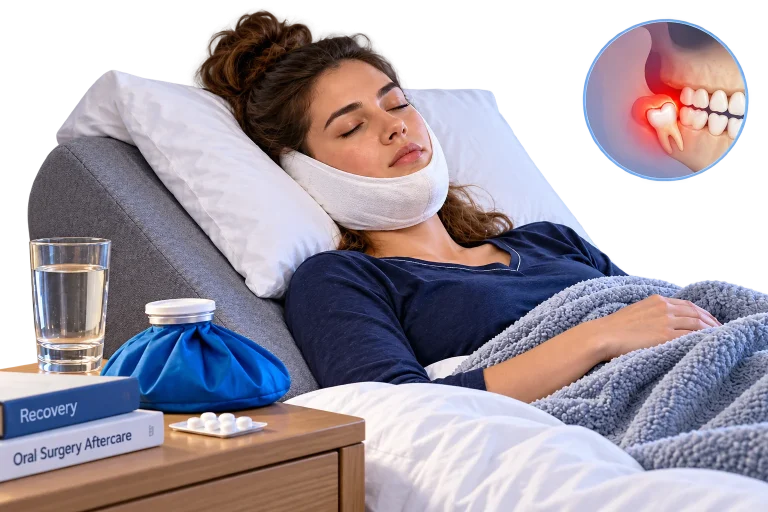
Chronic pain, reflux, breathing symptoms, urinary symptoms, hot flashes, itching, or other discomfort can repeatedly interrupt sleep.
Anxiety, depression, trauma, grief, and ongoing stress can contribute to sleep difficulty. Poor sleep can also worsen mood and coping.
Caffeine, nicotine, alcohol, recreational drugs, and changes in substance use can affect sleep onset, continuity, or next-day alertness.
Some prescription and over-the-counter products can interfere with sleep. A clinician or pharmacist can review timing, side effects, and alternatives.
An uncomfortable urge to move the legs or repeated movements during sleep may require a different evaluation than insomnia alone.
Hot flashes, night sweats, mood symptoms, and changing sleep patterns can contribute to difficulty sleeping during menopause.
If work, caregiving, social schedules, or late-night activities regularly leave too little time for sleep, the main problem may be restricted sleep opportunity rather than insomnia disorder.
How Clinicians Evaluate Insomnia
Insomnia is often evaluated through your history rather than one single laboratory test. A clinician may ask how often the problem happens, how long it has lasted, when you go to bed and wake up, how long you stay awake during the night, what your days feel like, and whether another condition could be disrupting sleep.
Falling asleep, staying asleep, early waking, sleep quality, frequency, duration, and daytime consequences all help define the pattern.
Workdays, weekends, naps, shift work, travel, caregiving, and time available for sleep can change the interpretation.
Medical symptoms, mental health, caffeine, alcohol, nicotine, recreational substances, prescriptions, and over-the-counter products may all matter.
NHLBI notes that keeping a sleep diary for about one to two weeks before an appointment can help show sleep timing, awakenings, naps, daytime sleepiness, caffeine, alcohol, and exercise patterns.
A sleep study is not automatically required for every insomnia complaint. Testing may be considered when another sleep disorder, such as sleep apnea, is suspected.
SmartSleepCalc’s Insomnia Severity Calculator uses the published seven-item Insomnia Severity Index for screening context. A score can help organize a conversation, but it does not diagnose insomnia.
Open the Insomnia Severity Calculator →CBT-I and Other Insomnia Treatment Options
Cognitive behavioral therapy for insomnia, usually shortened to CBT-I, is a structured treatment for chronic insomnia. The American Academy of Sleep Medicine gives CBT-I a strong recommendation for adults with chronic insomnia disorder, and NHLBI describes it as a usual first treatment option for long-term insomnia.
CBT-I is more specific than general “sleep tips.” Depending on the program and the person, it may include cognitive strategies, stimulus control, carefully managed time in bed, relaxation approaches, and sleep education. These methods are designed to change patterns that keep insomnia going.
A structured behavioral and psychological treatment delivered by appropriately trained professionals or through suitable programs. This article does not attempt to provide therapy.
Habits and environmental practices can support sleep, but sleep hygiene by itself is not the same thing as a full CBT-I program for chronic insomnia.
Pain, apnea, reflux, mood symptoms, circadian problems, medication effects, or other contributors may need to be addressed alongside the insomnia.
Prescription or over-the-counter sleep medicines have different benefits, risks, interactions, and appropriate uses. Treatment decisions belong with a clinician or pharmacist who knows your health history.
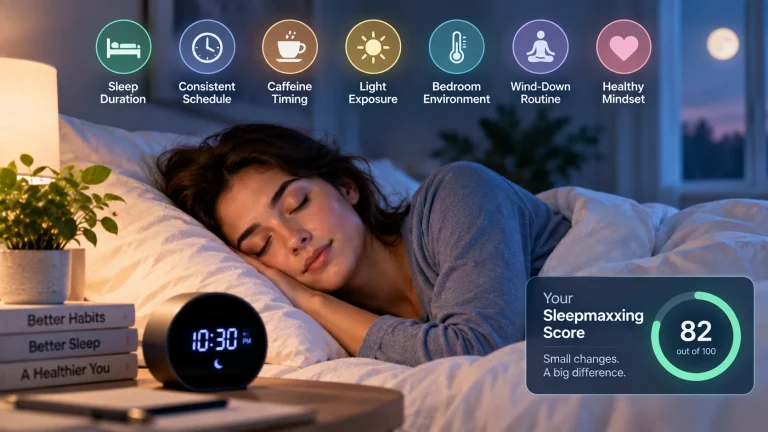
For low-risk changes to your sleep environment and routine, use the Sleep Hygiene Checklist. It can help you review habits, but persistent insomnia should not be reduced to a checklist score.
What This Does Not Mean
Wearables can be useful for trends, but consumer stage estimates are not a substitute for clinical evaluation.
Frequency, duration, sleep opportunity, daytime effects, and alternative explanations all matter.
Trying to compensate for poor sleep by greatly extending time in bed can change the relationship between bed and wakefulness. Treatment plans should be individualized.
Insomnia can involve behavior, arousal, health conditions, circadian timing, medications, environment, and other factors that simple clock arithmetic cannot diagnose or correct.
When to Seek Medical or Professional Help
Consider routine professional evaluation when sleep difficulty is persistent, keeps returning, or is affecting concentration, mood, work, school, relationships, or your ability to function during the day. It is especially useful to get evaluated when there are signs that another condition may be disrupting sleep.
For a recent, mild pattern, keep a one- to two-week sleep diary and note sleep timing, awakenings, naps, caffeine, alcohol, exercise, stress, and daytime effects.
Get professional input when the problem has become persistent, causes meaningful daytime impairment, or occurs with loud snoring, gasping, breathing pauses, significant pain, restless legs symptoms, mood concerns, or medication questions.
If sleepiness makes you unsafe to drive or operate equipment, do not push through it. Arrange a safer alternative and seek medical advice about the cause of the excessive sleepiness.
What You Can Do Next
If you are trying to understand a sleep problem before an appointment, start with a simple sleep diary rather than chasing a perfect sleep score. Record when you get into bed, when you think you fall asleep, nighttime awakenings, final wake time, naps, caffeine or alcohol timing, and how you feel during the day.
Bring that record to a healthcare professional if the pattern persists. It provides more useful context than a single wearable score and can help identify whether insomnia, circadian timing, another sleep disorder, medication effects, or another health issue deserves attention.
If you want to organize how severe your recent insomnia symptoms feel before talking with a clinician, use the published ISI screening tool. Treat the result as screening context, not a diagnosis.
Check your Insomnia Severity Index score →Insomnia FAQs
How do I know if I have insomnia?
Trouble falling asleep, staying asleep, or waking too early can be insomnia symptoms, but diagnosis depends on the overall pattern. A clinician considers how often it happens, how long it has lasted, whether you had enough opportunity to sleep, daytime effects, and whether another condition better explains the problem.
How long does insomnia have to last to be considered chronic?
NHLBI describes chronic insomnia as sleep difficulty occurring at least three nights per week for three months or longer. Duration alone is not enough for self-diagnosis because clinicians also consider daytime impairment and other possible causes.
Can anxiety cause insomnia?
Anxiety and stress can contribute to difficulty falling or staying asleep. Sleep loss can also make mood and coping harder the next day. When both problems persist, it is worth discussing both rather than assuming only one needs attention.
Is insomnia the same as not getting enough sleep?
No. Someone may sleep too little because work, caregiving, social activities, or another schedule constraint leaves too little time for sleep. Insomnia involves difficulty sleeping even when there is adequate opportunity and circumstances for sleep.
Does everyone with insomnia need a sleep study?
No. Insomnia can often be evaluated from sleep history, symptoms, health history, and a sleep diary. A sleep study may be used when a clinician suspects another sleep disorder, such as sleep apnea or another condition requiring physiologic measurement.
Is CBT-I just sleep hygiene?
No. Sleep hygiene focuses on habits and environment. CBT-I is a structured treatment that may combine cognitive therapy, stimulus control, managed time in bed, relaxation methods, and sleep education.
Can an insomnia questionnaire diagnose me?
No. Questionnaires such as the Insomnia Severity Index can help quantify symptoms and track change, but a screening score does not by itself establish a clinical diagnosis.
Sources
- National Heart, Lung, and Blood Institute. Insomnia: What Is Insomnia? Definitions, short-term and chronic insomnia context.
- National Heart, Lung, and Blood Institute. Insomnia Diagnosis Clinical history, sleep diary, frequency/duration criteria, medications, substances, menopause, apnea symptoms, and diagnostic testing.
- National Heart, Lung, and Blood Institute. Insomnia Treatment CBT-I, behavioral treatment components, lifestyle context, and clinician-directed treatment.
- American Academy of Sleep Medicine. Clinical guideline summary for behavioral and psychological treatments of chronic insomnia . CBT-I is strongly recommended for adults with chronic insomnia disorder.
- Mayo Clinic. Insomnia: Symptoms and Causes . Consumer-health overview of symptoms, common contributors, medications, substances, medical conditions, and sleep disorders that can coexist with insomnia.