Trazodone for Sleep: What the Evidence Actually Says
Trazodone is an antidepressant that is sometimes prescribed off-label for sleep. It is not FDA-approved for insomnia. Research suggests possible benefits for some sleep outcomes, but the evidence is mixed. The 2017 American Academy of Sleep Medicine pharmacologic guideline suggests against using trazodone for sleep-onset or sleep-maintenance insomnia in adults, while CBT-I remains strongly supported for chronic insomnia.
Trazodone is FDA-approved for major depressive disorder, not insomnia, but clinicians sometimes prescribe it off-label for sleep. Trials and meta-analyses suggest it may improve some measures of sleep quality or continuity, yet results are mixed. The 2017 AASM pharmacologic guideline suggests against trazodone for sleep-onset or sleep-maintenance insomnia in adults. Personal dosing and timing belong with your prescriber.
Is trazodone used for sleep?
Yes, it is sometimes prescribed for sleep, but that use is off-label. Current U.S. FDA labeling lists major depressive disorder as the approved indication; insomnia is not listed as an FDA-approved indication.
Off-label prescribing does not automatically mean a treatment is inappropriate. It means an approved medicine is being used for a purpose outside its FDA-approved indication. Whether that makes sense for one person depends on the clinical reason, other conditions, other medicines, expected benefit, and risk.
What do studies show about trazodone for insomnia?
The evidence is not simply “works” or “does not work.” Different reviews have found improvements in some outcomes but not others, and the trials vary in population, duration, and design.
| Evidence | What it found | Important limitation |
|---|---|---|
| 2024 systematic review/meta-analysis | Across 44 randomized trials with 3,935 participants, trazodone improved some measures of sleep quality and continuity, including nocturnal awakenings and wake time after sleep onset. Subjective total sleep time did not significantly improve. | The authors reported limited generalizability, and adverse-effect-related dropouts and sleep-related adverse effects were more frequent with trazodone. |
| 2018 placebo-controlled meta-analysis | Participants reported better sleep quality and fewer awakenings, while several other outcomes did not significantly improve. | Only seven trials and 429 participants were included. |
| 2017 systematic review | Earlier literature supported possible benefit in primary and secondary insomnia settings. | The included studies were heterogeneous; newer guideline and meta-analytic evidence should also be considered. |
Why does the AASM guideline suggest against trazodone for chronic insomnia?
The American Academy of Sleep Medicine’s 2017 pharmacologic guideline gives a weak recommendation against using trazodone for sleep-onset or sleep-maintenance insomnia in adults. The recommendation reflects the evidence reviewed by that guideline panel and its balance of demonstrated benefit and potential harm.
That does not mean trazodone can never be prescribed. A weak recommendation reflects uncertainty and population-level evidence. A prescriber may be considering factors a general insomnia guideline cannot capture.
What side effects matter when trazodone is used for sleep?
FDA labeling lists common adverse reactions including drowsiness, fatigue, dizziness, blurred vision, fainting, diarrhea, nasal congestion, and weight loss. The label also warns that sedation can impair thinking, judgment, or motor skills.
Sedation is a known effect. If next-day impairment occurs, tell the prescriber rather than changing the medicine on your own.
FDA labeling includes orthostatic hypotension and syncope warnings.
This is a potentially life-threatening reaction. Risk can increase with other serotonergic medicines.
FDA labeling also warns about cardiac arrhythmias, bleeding, hyponatremia, mania/hypomania, angle-closure glaucoma, and priapism.
Get medical help for serious symptoms. Seek urgent care for a prolonged erection, fainting with concerning symptoms, severe confusion, seizure, severe agitation with fever or muscle rigidity, a serious allergic reaction, or another acute emergency. Contact your prescriber promptly for new or worsening mood symptoms or side effects that affect safety.
Why should your prescriber review your other medicines?
FDA labeling highlights clinically important interaction categories including other serotonergic drugs, medicines that affect bleeding, drugs that alter trazodone metabolism, other medicines that can prolong the QT interval, and central nervous system depressants such as alcohol.
Why doesn’t this page give a trazodone-for-sleep dosage?
Searches such as trazodone for sleep dosage, minimum dose of trazodone for sleep, how much trazodone for sleep, maximum dose of trazodone for sleep, and when to take trazodone for sleep ask for individualized prescribing decisions. This page intentionally does not answer those questions with numbers or timing instructions.
The FDA-approved indication is depression, not insomnia. Off-label sleep prescribing can vary with the treatment goal, age, other medicines, medical conditions, formulation, response, and side effects.
Ask what benefit your prescriber expects and how you will judge whether it is helping enough to justify continued use.
Long-term insomnia evidence is limited compared with the breadth of real-world prescribing. Ask how and when treatment should be reviewed.
Sleep problems and anxiety can overlap, but sedation does not identify the cause of insomnia or prove that one medicine is treating both problems.
CBT-I is guideline-supported for chronic insomnia. Medication alternatives require clinician review of benefits, risks, interactions, and the actual insomnia pattern.
Which parts of sleep might trazodone affect?
“Sleeping better” can mean several different things. Research does not show the same effect for every sleep outcome.
Some controlled studies and meta-analyses report better self-rated sleep quality.
Some evidence suggests fewer awakenings or improvement in sleep-continuity measures.
Subjective total sleep time has not consistently improved, although some objective sleep measurements have shown changes.
Improvements in sleep latency have not been consistent across the evidence base.
What about long-term trazodone use for sleep?
Long-term real-world prescribing experience is broader than the randomized evidence specifically supporting trazodone as an insomnia treatment. Many sleep trials are relatively short and include different patient groups, so they cannot answer every long-term question.
Ask what improvement was expected when treatment started and whether that improvement is still present.
Morning sleepiness, dizziness, balance problems, or impaired concentration deserve review.
New prescriptions, supplements, or medical conditions can change the overall risk-benefit picture.
Persistent sleep problems may deserve reassessment rather than assuming continued sedation addresses the cause.
Can trazodone cause next-day grogginess?
Yes. Drowsiness, fatigue, dizziness, and impairment of thinking or motor skills are relevant concerns in FDA prescribing information. These effects can matter more if you drive, operate equipment, work at height, or perform other safety-sensitive tasks.
Trazodone may not address why you are not sleeping
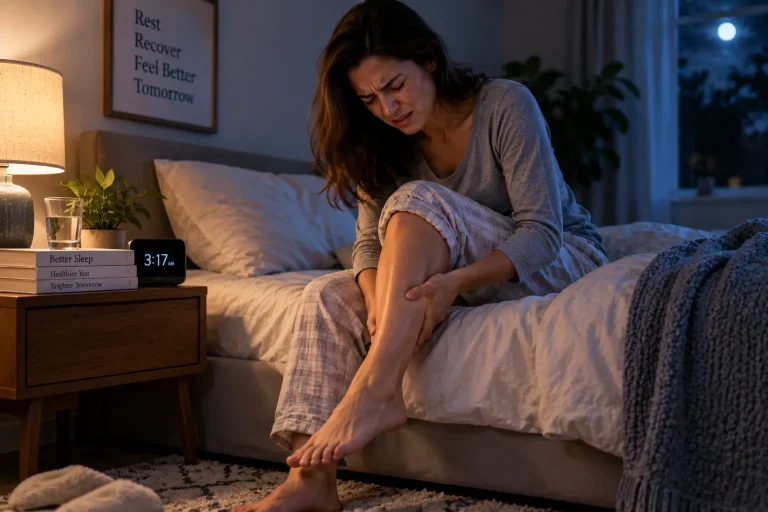
Insomnia can occur alongside stress, depression, anxiety, pain, medications, substance use, circadian rhythm problems, sleep apnea, restless legs syndrome, menopause, environmental disruption, and other factors. A sedating effect does not identify which of these is present.
If sleep difficulty persists, worsens, or comes with loud snoring, gasping, major daytime sleepiness, unusual leg sensations, significant mood symptoms, or other concerning changes, evaluation may be more useful than simply comparing sedating medicines.
Build questions to ask your trazodone prescriber
Select the questions you want to bring to an appointment. The tool only formats your choices into a printable list. It does not tell you what dose to use, when to take trazodone, or whether to start, stop, continue, or switch it.
What if your real problem is chronic insomnia?
If you have persistent trouble falling asleep or staying asleep despite adequate opportunity, the broader diagnosis matters more than the name of one medicine. AASM recommends multicomponent CBT-I for chronic insomnia disorder.
Read the insomnia guide or use the Insomnia Severity Calculator to organize symptoms. The calculator is screening context, not a diagnosis.
If you are comparing trazodone with melatonin for sleep, remember that these are different substances with different evidence, risks, and uses. Do not combine or switch treatments from an online comparison; ask a clinician or pharmacist.
What should you discuss before using trazodone for sleep?
A productive conversation is more useful than searching for a universal “best dose.”
Is the main issue falling asleep, staying asleep, depression with sleep symptoms, or something else?
Ask what change would show that treatment is meaningfully helping.
Include prescriptions, over-the-counter products, supplements, alcohol, and other substances.
Persistent insomnia may warrant assessment for another condition or sleep disorder.
Driving, fall risk, heart history, other medicines, and work duties can change the safety discussion.
A review point helps compare expected benefit with side effects and ongoing need.
Trazodone for Sleep FAQs
Is trazodone used for sleep?
Yes, sometimes—but it is off-label. FDA labeling approves trazodone for major depressive disorder, not insomnia. Clinicians may still prescribe it for sleep based on individual circumstances. Ask what symptom is being targeted and how benefit will be reviewed.
Does trazodone work for insomnia?
The evidence is mixed. Meta-analyses suggest possible improvements in sleep quality, awakenings, or some sleep-continuity measures, while several other outcomes show little or no significant improvement. AASM gives a weak recommendation against routine trazodone use for chronic insomnia.
What are common trazodone sleep side effects?
Drowsiness, fatigue, dizziness, and blurred vision are among effects listed in FDA labeling. The label also warns about fainting, cognitive or motor impairment, serotonin syndrome, abnormal heart rhythms, bleeding, priapism, hyponatremia, mania/hypomania, and other serious risks.
What is the minimum or maximum dose of trazodone for sleep?
This page does not provide a minimum, maximum, or “best” sleep dose. Insomnia use is off-label, and prescribing depends on the treatment goal, other medicines, medical conditions, age, formulation, response, and side effects. Follow your own prescriber or pharmacist.
When should trazodone be taken for sleep?
Follow the instructions on your prescription and from your prescriber or pharmacist. This page does not give a bedtime interval or administration schedule for off-label insomnia use. If timing is unclear, ask the prescriber rather than moving the dose yourself.
Can trazodone be used for sleep and anxiety?
Sleep difficulty and anxiety can occur together, but that does not establish one treatment plan. Trazodone’s FDA-approved indication is major depressive disorder. If anxiety is also a concern, ask whether it is a separate treatment target.
What about long-term trazodone use for sleep?
Long-term insomnia evidence is limited. Many trials are relatively short and study populations differ. If trazodone is continued over time, ask how often benefit, next-day effects, interactions, and ongoing need should be reviewed.
Is doxepin better than trazodone for sleep?
This page does not choose a prescription drug for you. If you are comparing doxepin versus trazodone for sleep, ask a clinician to compare the actual insomnia pattern, evidence, risks, interactions, and your health history.
Is trazodone FDA-approved for insomnia?
No. Current U.S. prescribing information lists major depressive disorder as the approved indication. Using trazodone specifically for sleep is therefore off-label.
Can trazodone make you groggy the next morning?
Yes. Drowsiness, fatigue, dizziness, and cognitive or motor impairment are relevant concerns. Tell your prescriber if these effects interfere with driving, balance, concentration, work, or daily activities.
Should I stop trazodone if it makes me tired the next day?
Do not stop or change a prescription solely because of general online information. Tell the prescriber about troublesome next-day effects so the cause and treatment plan can be reviewed safely.
Which sources support this page?
- U.S. Food and Drug Administration. DESYREL (trazodone hydrochloride) Prescribing Information, 2025. Supports the FDA-approved indication, adverse reactions, serious warnings, and interaction categories.
- Sateia MJ, et al. Clinical Practice Guideline for the Pharmacologic Treatment of Chronic Insomnia in Adults. AASM guideline containing the weak recommendation against trazodone for chronic sleep-onset or sleep-maintenance insomnia.
- Kokkali M, et al. Effects of Trazodone on Sleep: A Systematic Review and Meta-analysis. 2024 synthesis of 44 randomized trials (3,935 participants), supporting the mixed-benefit, sleep-continuity, and adverse-effect framing.
- Yi XY, et al. Trazodone for the Treatment of Insomnia: A Meta-analysis of Randomized Placebo-Controlled Trials. Supports the distinction between improved perceived sleep quality/fewer awakenings and several outcomes without significant improvement.
- Jaffer KY, et al. Trazodone for Insomnia: A Systematic Review. Earlier systematic review providing historical context for the off-label insomnia evidence.
- Edinger JD, et al. Behavioral and Psychological Treatments for Chronic Insomnia Disorder in Adults. AASM guideline supporting multicomponent CBT-I for chronic insomnia disorder.