Headache After a Nap: Why It Happens and What to Track
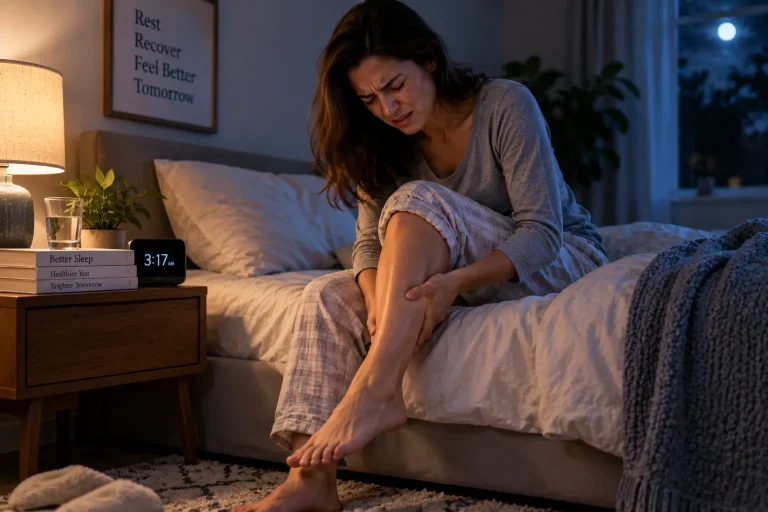
A headache after a nap can have several explanations, and the nap itself may not be the only cause. Migraine susceptibility, a change in your usual sleep pattern, delayed caffeine, dehydration, missed food, jaw clenching, neck position, or sleep-disordered breathing can all be relevant in some people. The pattern matters more than blaming one exact nap length or sleep stage.
If you sometimes wake from a nap with a headache, look at what changed around the nap: your migraine pattern, caffeine timing, hydration and meals, head and neck position, jaw tension, and whether you snore or gasp in sleep. Feeling groggy for a short time after waking can be sleep inertia, but headache is a separate symptom. A new, severe, recurrent, or neurological headache deserves more attention than ordinary post-nap fogginess.
Why Can a Nap Be Followed by a Headache?
Headaches are influenced by sleep, hydration, caffeine, eating patterns, muscle tension, migraine biology, and several medical conditions. Napping changes your usual daytime routine, so one or more of those factors may line up around the time you sleep.
Changes in sleep can trigger migraine in some people. A nap may also happen because an attack is already developing, which can make the nap look like the cause when it was part of the same episode.
If you regularly use caffeine and nap through your usual coffee or tea time, delayed caffeine can contribute to withdrawal headache in susceptible people.
Dehydration can include headache, and skipped meals can trigger migraine or headache in some people. A nap may simply delay fluids or food you normally would have had.
Sleep bruxism can cause jaw soreness, facial pain, tooth symptoms, and headache. A nap can provide another period in which clenching or grinding occurs.
Sleeping with the neck held awkwardly on a sofa, chair, or poorly supported pillow can contribute to neck muscle tension and headache in some people.
If naps include loud snoring, breathing pauses, gasping, dry mouth, and daytime sleepiness, sleep apnea deserves consideration rather than assuming the nap duration itself caused the headache.
Use the Headache Pattern to Decide What to Check
| Headache pattern | Other clue | Possible context | Useful next step |
|---|---|---|---|
| Throbbing or one-sided pain | Light/sound sensitivity, nausea, known migraine history | Migraine or migraine trigger pattern | Track sleep changes, meals, caffeine, and other known triggers. Discuss recurrent attacks with a clinician. |
| Headache after delaying usual caffeine | Regular daily coffee/tea use; headache improves after returning to usual routine | Caffeine withdrawal or altered caffeine timing | Track timing rather than increasing caffeine automatically. |
| Headache with thirst or clear fluid loss | Heat, exercise, illness, dark urine, missed fluids | Dehydration may contribute | Restore normal fluid intake and look for other dehydration symptoms. |
| Jaw/temple pressure | Jaw soreness, tooth sensitivity, partner hears grinding | Sleep bruxism or clenching | Discuss recurrent jaw/tooth symptoms with a dentist or clinician. |
| Back-of-head or neck-associated headache | Stiff neck after couch/chair nap or awkward position | Muscle/posture contribution | Track position and support rather than blaming nap duration alone. |
| Headache plus loud snoring or gasping | Dry mouth, witnessed breathing pauses, daytime sleepiness | Sleep-disordered breathing context | Discuss sleep-apnea evaluation with a healthcare professional. |
| Headache after unusually long daytime sleep | Major change from usual sleep schedule, migraine susceptibility, nighttime sleep disruption | Sleep-pattern change may be one trigger among several | Track total 24-hour sleep and whether the same pattern repeats. |
Post-Nap Headache Is Not the Same as Sleep Inertia
Sleep inertia is the temporary grogginess, slowed thinking, and reduced alertness that can happen after waking. It is usually strongest just after waking and improves with time awake.
Headache is pain. You can have sleep inertia without a headache, a headache without much sleep inertia, or both at the same time.
You feel mentally foggy, slow, sleepy, or disoriented but do not have meaningful head pain. Alertness improves as you remain awake.
You have pressure, throbbing, aching, facial/temple pain, or head pain that persists even after the initial grogginess fades.
If grogginess is the main problem, use the separate Sleep Inertia guide rather than treating post-nap fog as proof that a specific sleep cycle went wrong.
Migraine, Caffeine, Food, and Hydration
Migraine has a two-way relationship with sleep. Poor sleep or changes in sleep can contribute to attacks in some people, while migraine itself can make a person tired enough to sleep or nap.
Both too little sleep and sleeping more than usual can trigger migraine in some people. A nap can therefore be part of a broader change in sleep timing rather than a simple cause-and-effect event.
Regular caffeine users can develop withdrawal headache when caffeine is delayed or stopped. A nap that crosses your normal caffeine time may expose that pattern.
Skipping meals is a recognized migraine trigger for some people. If a nap delays lunch or another usual meal, note the timing.
Headache is one possible symptom of dehydration. Look for context such as heat, exercise, illness, thirst, or reduced urination rather than assuming every post-nap headache means you need more water.
What About the Pillow, Couch, Neck, or Teeth Grinding?
A nap often happens somewhere other than your normal bed. Recliners, couches, travel seats, or an extra pillow can hold the neck in a different position. Poor posture is one recognized contributor to some headaches, but there is no universal pillow angle that prevents post-nap headache.
Sleep bruxism is another possibility when headaches come with jaw tightness, facial soreness, tooth sensitivity, tooth wear, or a partner hearing grinding.
The headache repeatedly follows couch or chair naps and comes with neck stiffness or soreness that was not present beforehand.
You wake with jaw fatigue, temple pain, tooth sensitivity, or known nighttime grinding in addition to the headache.
Track the Pattern for 1–2 Weeks
If this happens more than once, a short log can reveal whether the headache follows caffeine delay, longer-than-usual naps, certain positions, snoring, missed meals, or another repeatable context.
Write down when you lay down and roughly when you think you fell asleep.
Use a rough estimate. Do not treat the duration as proof of which sleep stage you reached.
Record coffee, tea, soda, energy drinks, and whether the nap delayed your usual caffeine time.
Note whether you skipped a meal, exercised, spent time in heat, were sick, or had an obvious reason to be dehydrated.
Bed, couch, recliner, car, chair, pillow height, and whether neck soreness was present after waking.
Record loud snoring, gasping, breathing pauses, dry mouth, or a partner’s observations.
Location, pressure vs throbbing, light/sound sensitivity, nausea, jaw pain, neck stiffness, and how long the headache lasted.
Build a Post-Nap Headache Log Entry
Enter one episode at a time. The tool stays in your browser and creates plain-text notes you can copy or download. It does not interpret the entry as a diagnosis.
What a Headache After a Nap Does Not Automatically Mean
Clock duration cannot reliably tell you the exact sleep stage present when you woke.
A long or unusual nap may matter in some people, but migraine, caffeine, posture, jaw tension, breathing, food, or hydration may also be relevant.
Human sleep cycles vary in length within and between people. A clock cannot promise that REM finished exactly when an alarm rings.
Headache can occur with sleep apnea, but the diagnosis depends on a broader symptom pattern and appropriate testing.
Headache After a Nap FAQs
Why do naps give me headaches?
Possible contributors include migraine susceptibility, changing your usual sleep schedule, caffeine withdrawal, missed food or fluids, neck position, jaw clenching, or sleep-disordered breathing. The nap may be one part of the pattern rather than the sole cause.
Can waking from deep sleep cause a headache?
Waking from deeper sleep can increase sleep inertia and grogginess, but research does not support diagnosing a post-nap headache from assumed sleep stage alone. A clock also cannot tell you exactly which stage you were in.
Why do I feel groggy and have a headache after a nap?
The grogginess may be sleep inertia while the headache has another contributor such as migraine, caffeine timing, dehydration, jaw tension, or neck position. They can happen together without being the same condition.
Can caffeine withdrawal cause a headache after a nap?
Yes. Regular caffeine users can develop withdrawal headache if caffeine is delayed or suddenly reduced. A nap may simply push your usual caffeine time later than normal.
Can teeth grinding during a nap cause a headache?
Sleep bruxism can be associated with headache, jaw soreness, facial pain, tooth sensitivity, and tooth wear. If the pattern repeats, a dentist can look for signs of clenching or grinding.
Can sleep apnea cause a headache after daytime sleep?
Sleep apnea can include headache, but a headache after a nap alone does not diagnose it. Loud snoring, witnessed breathing pauses, gasping, dry mouth, fatigue, and daytime sleepiness make sleep-disordered breathing more relevant.
When should I worry about a headache after a nap?
Seek urgent help for sudden explosive or extremely severe headache, or headache with new weakness, speech or vision changes, confusion, loss of balance, loss of consciousness, severe head injury, or fever with stiff neck. Frequent or changing post-nap headaches also deserve routine medical evaluation.
Sources
- American Migraine Foundation. Current resource reviewed September 2026. Migraine and Sleep: Understanding the Two-Way Connection . Current 2026 overview of the bidirectional relationship between migraine and sleep disruption.
- Mayo Clinic. Migraine — Symptoms and Causes . Sleep changes, skipped meals, and other recognized migraine triggers and clinical context.
- American Migraine Foundation. Understanding Caffeine Headache . Caffeine dependence, delayed caffeine intake, withdrawal headache, and migraine context.
- MedlinePlus — U.S. National Library of Medicine. Caffeine . Caffeine withdrawal symptoms including headache and drowsiness.
- National Institute of Dental and Craniofacial Research. Bruxism guidance reviewed March 2025; rechecked September 2026. Bruxism . Sleep bruxism, headache, jaw pain, dental symptoms, and evaluation.
- National Heart, Lung, and Blood Institute. Sleep apnea symptoms page updated January 9, 2025; reviewed September 2026. Sleep Apnea Symptoms . Snoring, breathing pauses, gasping, daytime sleepiness, dry mouth, fatigue, and headache.
- MedlinePlus — U.S. National Library of Medicine. Dehydration . Headache among possible dehydration symptoms and broader dehydration context.
- MedlinePlus — U.S. National Library of Medicine. Headaches — Danger Signs . Current warning signs for sudden severe headache and headache with neurological or systemic symptoms.
Change One Variable at a Time
If the headaches are mild and not medically concerning, use your nap log before changing your whole routine. For example, keep the nap setting similar while tracking caffeine timing for several days, or keep caffeine stable while changing a clearly awkward couch or neck position. A repeated pattern is more informative than assuming one nap duration is universally wrong.