Why Do I Sleep Through Alarms?
Sleeping through an alarm is not always an “alarm problem.” Sometimes you are not getting enough sleep. Other times you hear the alarm but shut it off while barely awake, your sleep schedule is fighting the required wake time, or another factor is making waking unusually difficult. The first useful step is figuring out which of those patterns fits you.
If you regularly sleep through alarms, first check whether you are giving yourself enough time to sleep. If sleep opportunity is already adequate, identify what actually happens: do you never hear the alarm, turn it off without remembering, repeatedly fall back asleep, or wake with severe prolonged grogginess? Those patterns point toward different next steps. Persistent alarm failure with excessive daytime sleepiness, snoring or gasping, major waking confusion, or unintended sleep deserves medical evaluation rather than just a louder alarm.
Which Type of Alarm Failure Are You Having?
“I sleep through alarms” can describe several different problems. The distinction matters because an alarm you cannot hear is different from an alarm you silence while half awake.
You wake later and have no memory of the alarm sounding. Other people may tell you it rang for a long time.
Check: sleep amount, hearing, alarm modality, severe sleepiness.You find the alarm stopped or disabled later, but your memory of doing it is poor or absent.
Check: sleep inertia, sleep deprivation, sedating factors, waking confusion.You know the alarm went off but repeatedly choose or automatically return to sleep.
Check: total sleep, wake-time consistency, severe morning sleepiness.The problem is not hearing the alarm. It is the transition from sleep to useful wakefulness.
Check: severe/prolonged sleep inertia and broader sleep symptoms.The first several alarms may happen while your biological drive for sleep is still strong or while you have not slept enough.
Check: bedtime, required wake time, shift pattern, schedule mismatch.Morning alertness changed after a prescription, OTC medicine, alcohol use, or another sedating substance changed.
Check: medication/substance timing with a clinician or pharmacist.7 Reasons You May Sleep Through Alarms
| Possible reason | Pattern that may fit | Useful next question |
|---|---|---|
| 1. Not enough sleep | You regularly go to bed too late for the required wake time, feel unrefreshed, or sleep substantially longer when you do not need an alarm. | Am I giving myself enough real sleep opportunity before asking an alarm to wake me? |
| 2. Strong sleep inertia | You hear the alarm but feel very groggy, confused, slow, or return to sleep with little memory of what happened. | Is the problem hearing the alarm, or becoming fully alert after it? |
| 3. Circadian timing | You naturally fall asleep and wake later than your required schedule, or waking is much harder at certain clock times. | Is the alarm forcing me awake when my body is still strongly promoting sleep? |
| 4. Shift work or rotating schedules | You sleep during the day, rotate between shifts, or repeatedly move your sleep window. | Is my schedule asking me to sleep and wake at biologically difficult times? |
| 5. Alarm perception or hearing | You do not reliably perceive sound alarms, especially when the device is distant, muffled, or sound alone is not an effective cue. | Would a safe vibration, light, or combined alert work better than more volume? |
| 6. Medicines, alcohol or other sedating substances | Morning waking became harder after something that can cause drowsiness or impaired alertness was added or changed. | Has a prescriber or pharmacist reviewed the morning effect with me? |
| 7. An underlying sleep problem | Waking remains unusually difficult despite adequate sleep, especially with severe daytime sleepiness, snoring, gasping, long unrefreshing sleep, or unintended sleep episodes. | Is another alarm really the next step, or do these symptoms deserve medical evaluation? |
Is It an Alarm Problem or a Sleep Problem?
You generally feel rested, function normally during the day, wake reasonably well once alerted, but do not reliably perceive a standard sound alarm.
You are chronically short on sleep, severely groggy after waking, repeatedly return to sleep, remain sleepy during the day, or have other sleep-related symptoms.
Sleep Inertia May Explain “I Turn Off My Alarm in My Sleep”
Sleep inertia is the temporary period of grogginess, slower thinking, and reduced performance that can occur after waking. It is usually strongest just after awakening and improves as wakefulness continues, although severity varies.
Prior sleep loss and circadian timing can make the transition harder. Severe or prolonged waking difficulty can also occur with some sleep disorders.
You feel slow just after waking but become clearly more alert after you remain awake and begin the day.
You repeatedly silence alarms without meaningful awareness, need another person to wake you, return to sleep automatically, or remain markedly confused or sleepy for a prolonged period.
For a deeper explanation, read the Sleep Inertia guide. It covers what research supports about duration, circadian timing, sleep deprivation, and prolonged waking difficulty.
What Kind of Alarm May Work Better?
If you are giving yourself adequate sleep and the main problem is that you do not reliably perceive the alert, changing the type of signal may be more useful than endlessly increasing volume.
The National Institute on Deafness and Other Communication Disorders notes that alerting devices can use sound, flashing light, vibration, or a combination of signals.
Check that the device is not muffled under bedding, muted, disconnected, or set so quietly that it is difficult to perceive.
A vibrating watch or bed-based alert gives you a different sensory cue when sound alone is unreliable.
A visual wake-up signal can add another modality. It is an alerting aid, not treatment for a sleep disorder.
How to Stop Sleeping Through Alarms: 5 Steps to Check
The order matters. Start with whether your alarm is fighting an obvious sleep shortage before assuming you need a specialized device or medical explanation.
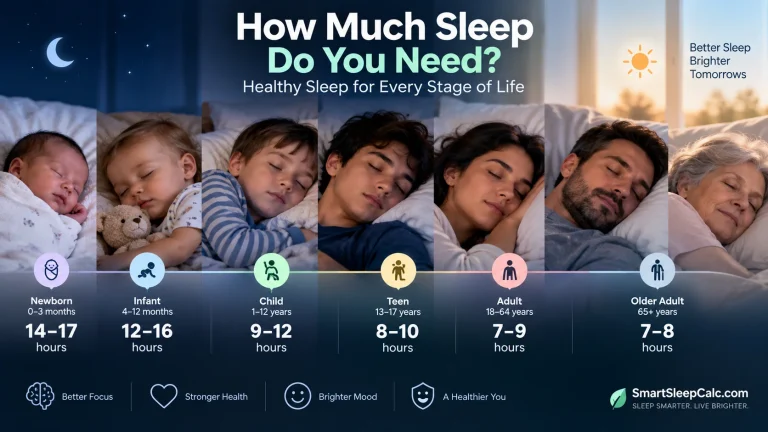
Work backward from the required wake time. Adults generally need about 7–9 hours of sleep, although individual needs vary. Include the time you normally need to fall asleep rather than counting time in bed as automatic sleep.
If you routinely sleep much later or much longer without an alarm, your usual schedule may be cutting sleep short or fighting your preferred sleep timing.
Check volume, device settings, placement, charging, Do Not Disturb behavior, and whether sound is the right modality. Consider safe vibration or light if needed.
Alcohol and some prescription or OTC medicines can affect morning alertness. Do not stop, move, double, or otherwise change a prescription on your own. Ask the prescribing clinician or pharmacist whether morning sedation is relevant.
Seek professional assessment if you repeatedly cannot wake despite adequate sleep, experience severe waking confusion, need substantial outside help to wake, or have excessive daytime sleepiness or other sleep-disorder symptoms.
Use the main Sleep Calculator to plan a realistic sleep window before the wake time you cannot move. It does not pretend to know your future sleep stage.
Plan sleep before your alarm →Run a 7-Night Wake-Up Audit
A short record can show whether the problem tracks with sleep duration, schedule, substances, alarm type, or daytime sleepiness. You do not need a wearable to collect the basics.
Sleep Disorders That Can Include Difficult Waking
Sleeping through alarms does not diagnose a sleep disorder. It becomes more medically useful information when it appears with other recurring symptoms.
Repeated loud snoring, breathing that stops and starts, gasping, unrefreshing sleep, morning headaches, fatigue, or daytime sleepiness are more informative than alarm failure alone.
This disorder involves excessive daytime sleepiness and may include severe sleep inertia, prolonged difficulty waking, long sleep periods, repeated returns to sleep, or unrefreshing naps.
Narcolepsy causes excessive daytime sleepiness and unintended sleep episodes. Some people also have cataplexy, sleep paralysis, or vivid dream-like experiences around sleep transitions.
A delayed sleep-wake pattern can make an early required wake time unusually difficult, while shift work may require sleeping and waking at times that conflict with the internal body clock.
When Sleeping Through Alarms Becomes a Safety Issue
Protect safety-critical responsibilities first
Severe sleepiness or confusion after waking matters when you need to drive, operate machinery, care for someone, or follow an important medication schedule.
If you are struggling to stay awake or remain markedly impaired after waking, do not drive until you are alert enough to do so safely.
Do not operate dangerous equipment while severely sleepy, confused, or fighting to keep your eyes open.
If oversleeping repeatedly causes missed time-sensitive medicines, contact the prescribing clinician or pharmacist rather than improvising doses.
If someone depends on you waking reliably, create a safe backup arrangement while persistent severe waking difficulty is evaluated.
When to Talk With a Healthcare Professional
If you routinely leave too little time for sleep, correct that pattern before concluding that your ability to wake is abnormal.
Seek medical advice when severe alarm failures continue despite adequate sleep, especially with strong daytime sleepiness, long unrefreshing sleep, snoring, gasping, breathing pauses, or unintended sleep episodes.
If sleepiness or confusion makes driving, machinery use, medication management, childcare, or another safety-critical responsibility unsafe, deal with that risk now rather than waiting for a diagnosis.
Sleeping Through Alarms FAQs
Why do I sleep through every alarm?
Start by checking whether your required wake time leaves enough room for sleep. If it does, look at what actually happens: never hearing the alarm, silencing it without remembering, falling back asleep, or experiencing severe waking confusion. Persistent alarm failure can also occur alongside circadian problems, hearing impairment, medication effects, sleep apnea, or disorders that cause excessive sleepiness.
Why can’t I wake up to my alarm even after 8 hours of sleep?
Eight hours in bed does not automatically mean eight hours of restorative sleep, and sleep need varies. Consider sleep interruptions, sleep timing, alcohol or medicines, daytime sleepiness, snoring or gasping, severe sleep inertia, and whether you consistently need much more sleep when allowed to wake naturally.
Why do I turn my alarm off without remembering?
You may be interacting with the alarm before reaching full alertness. Strong sleep inertia, insufficient sleep, circadian timing, and some sleep disorders can make the sleep-to-wake transition more difficult. Frequent episodes with prolonged confusion or excessive daytime sleepiness deserve professional evaluation.
Is sleeping through alarms a sign of sleep deprivation?
It can be. A useful clue is whether alarm problems improve when you consistently allow more sleep, or whether you sleep much longer on days without a required wake time. Alarm failure is not specific enough to prove sleep deprivation by itself.
Can sleeping through alarms be caused by sleep apnea?
Alarm difficulty alone does not indicate sleep apnea. More relevant warning signs include repeated loud snoring, breathing pauses, gasping, unrefreshing sleep, fatigue, morning headaches, and persistent daytime sleepiness.
Can medication make me sleep through alarms?
Yes. Some prescription and over-the-counter medicines can cause drowsiness or next-morning impairment. Do not change a prescription’s dose or timing yourself. Ask the prescriber or pharmacist whether the medicine could be contributing.
Should I use multiple alarms?
A backup alarm may be practical when waking on time is essential, but needing many alarms every day is worth investigating rather than treating as the final solution. Check sleep amount, schedule, alarm perception, morning grogginess, substances or medicines, and daytime symptoms.
What alarm is best for a very heavy sleeper?
There is no single best alarm for every person. If sound perception is the main issue, vibration, light, or combined alerting may be more useful than simply increasing volume. If you are chronically sleep deprived or abnormally difficult to wake, alarm hardware is unlikely to solve the underlying problem.
Does waking during deep sleep make me miss alarms?
Sleep depth can affect the waking transition, but you cannot reliably determine your future sleep stage from bedtime plus fixed 90-minute arithmetic. Sleep cycles vary across people and across the same night. Do not reduce needed sleep just to target a predicted “light sleep” alarm time.
When is sleeping through alarms serious?
Take it more seriously when it happens repeatedly despite adequate sleep, another person regularly struggles to wake you, you remain markedly confused after waking, you fall asleep unintentionally during the day, or the problem creates risk while driving, working, caring for someone, or managing medicines.
Sources
- National Heart, Lung, and Blood Institute. How Sleep Works: How Much Sleep Is Enough? . Used for adult sleep-duration context and age-based sleep recommendations.
- National Heart, Lung, and Blood Institute. How Sleep Deficiency Affects Health . Used for daytime sleepiness, alertness, concentration and safety context.
- National Heart, Lung, and Blood Institute. Circadian Rhythm Disorders: Types . Used for delayed sleep-wake phase disorder, shift work and schedule-related waking difficulty.
- National Heart, Lung, and Blood Institute. Sleep Apnea Symptoms . Used for snoring, breathing pauses, gasping, fatigue and excessive daytime sleepiness.
- National Institute on Deafness and Other Communication Disorders. Assistive Devices for People With Hearing Disorders . Used for sound, vibration, flashing-light and combined wake-up alerting systems.
- Hilditch CJ, McHill AW. Sleep inertia: current insights . Used for the evidence on post-waking grogginess, performance impairment, prior sleep loss and circadian timing.
- Trotti LM. Waking Up Is the Hardest Thing I Do All Day: Sleep Inertia and Sleep Drunkenness . Used for severe waking difficulty and sleep drunkenness context.
- U.S. Food and Drug Administration. Some Medicines and Driving Don’t Mix . Used for medicine-related drowsiness, impaired alertness and driving safety.
Find Out What Happens Before You Add Another Alarm
Tonight, start with the basics. Give yourself a realistic sleep window, check that the alarm is functioning and perceivable, and notice what happens when it sounds. Did you never hear it? Turn it off without remembering? Wake and immediately fall back asleep? Or wake but remain unusually confused and sleepy?
Track the same pattern for several days. If more sleep and a stable schedule clearly improve the problem, you have useful information. If severe waking difficulty continues despite adequate sleep, especially with excessive daytime sleepiness or other recurring symptoms, bring that pattern to a healthcare professional instead of escalating to more extreme alarms.
The dedicated Sleep Inertia guide explains what is known about the transition from sleep to full alertness and why a fixed “perfect cycle” wake time is not a reliable solution.
Read the Sleep Inertia guide →